

African Elephant
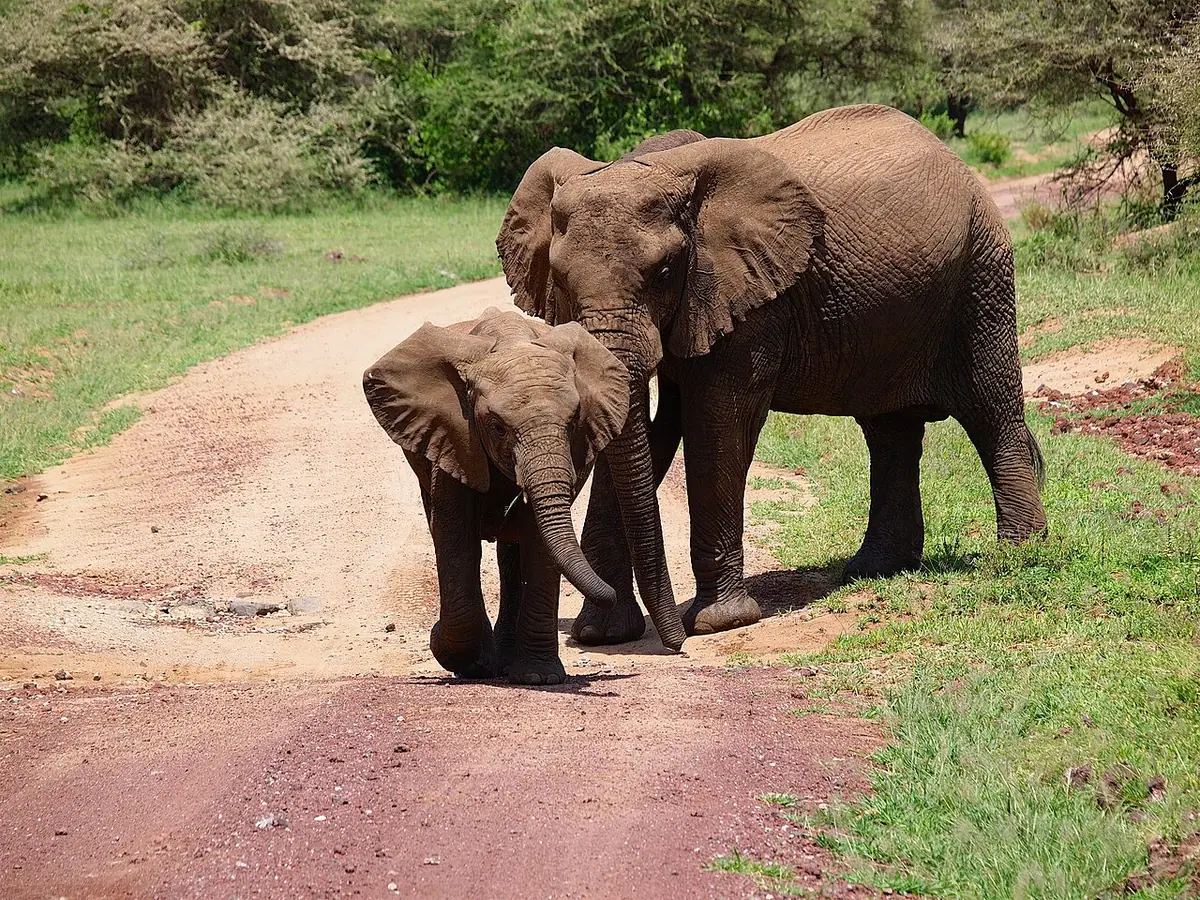
African elephant in Tanzania
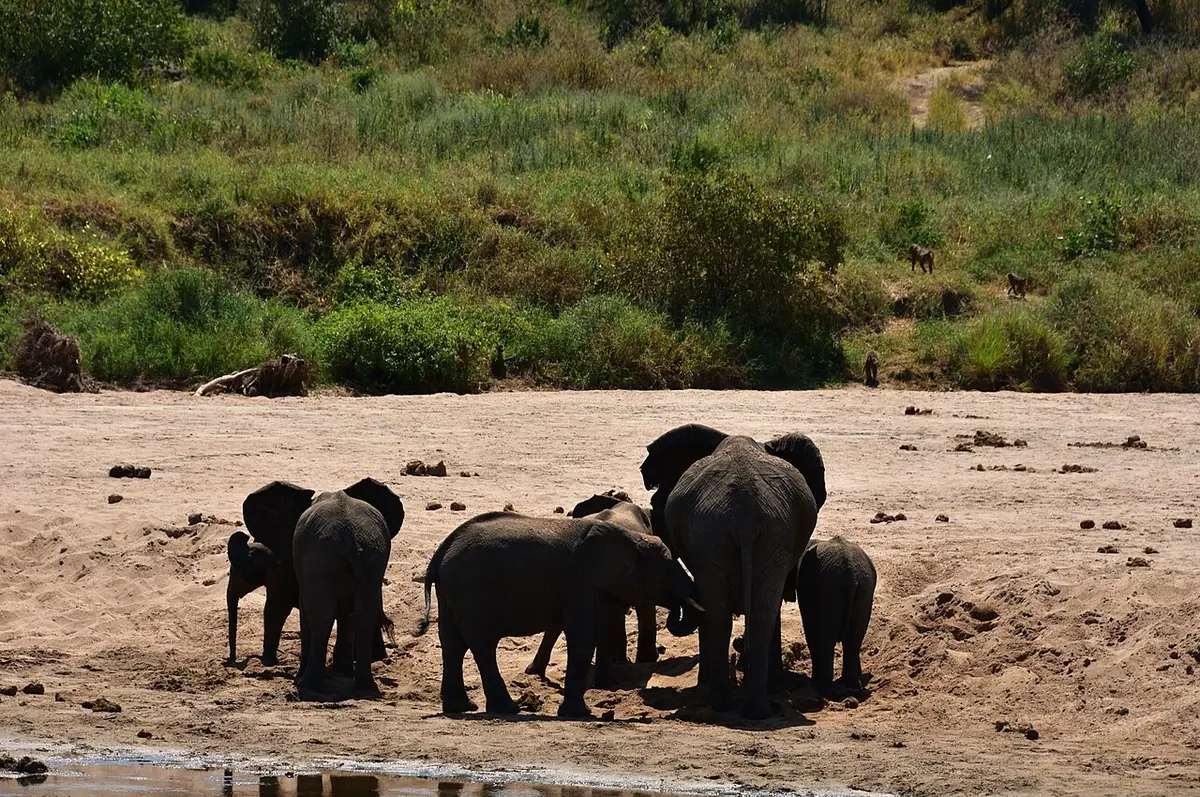
The African savanna elephant is the largest land animal on Earth: a big bull can weigh around six tonnes. Elephants live in close family herds led by an old female, the matriarch, who remembers where to find water and food in hard times. Young males leave the herd as teenagers and later roam alone or in groups of bulls.
An adult elephant eats well over a hundred kilograms of grass, leaves, bark and fruit a day, and shapes the landscape as it feeds. Watching a family drink and play at a river is one of the great pleasures of a safari.
Tarangire is famous for its large elephant herds in the dry season, from June to October. Elephants are also common in the Serengeti, Lake Manyara and the southern parks of Ruaha and Nyerere, and big bulls with impressive tusks live in the Ngorongoro Crater.
Good to know
- Elephants communicate with low rumbles that carry for kilometres.
- A calf is born after a pregnancy of about 22 months.
- Their ears help them cool down: blood flowing through them loses heat.
Where to look: Tarangire, Serengeti, Lake Manyara.
Safaris where you may see elephants
 See All Safari Tours
Photo credits
- Acacia trees in Tarangire: Diego Delso, CC BY-SA 4.0
- African Elephant: John Mackenzie Burke, CC BY-SA 4.0
- Crater World: Ngorongoro & Empakaai: Halidtz, CC BY-SA 4.0
- Great Migration River Crossing: Eric Inafuku, CC BY 2.0
- Lake Natron, Ngorongoro & African Village: Richard Mortel from Riyadh, Saudi Arabia, CC BY 2.0
- Natron Volcano Trek & Flamingo Lake: Richard Mortel from Riyadh, Saudi Arabia, CC BY 2.0
- Ngorongoro & Tarangire Walking Safari: Reginald Victor Runyoro, CC BY-SA 4.0
- Ngorongoro Sunrise at the Crater Rim: Diego Delso, CC BY-SA 4.0
Photos from Wikimedia Commons, used under the licences named.