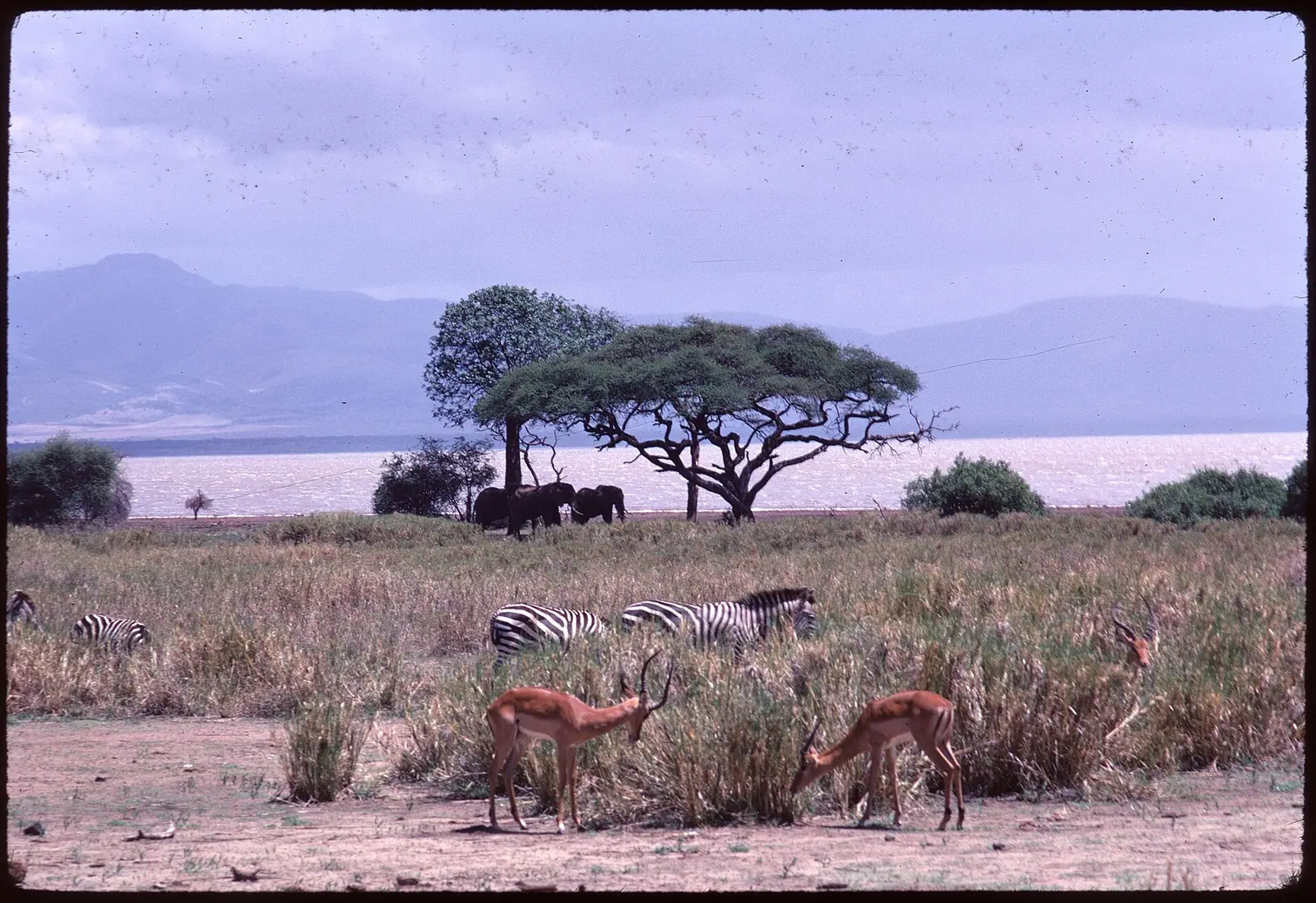
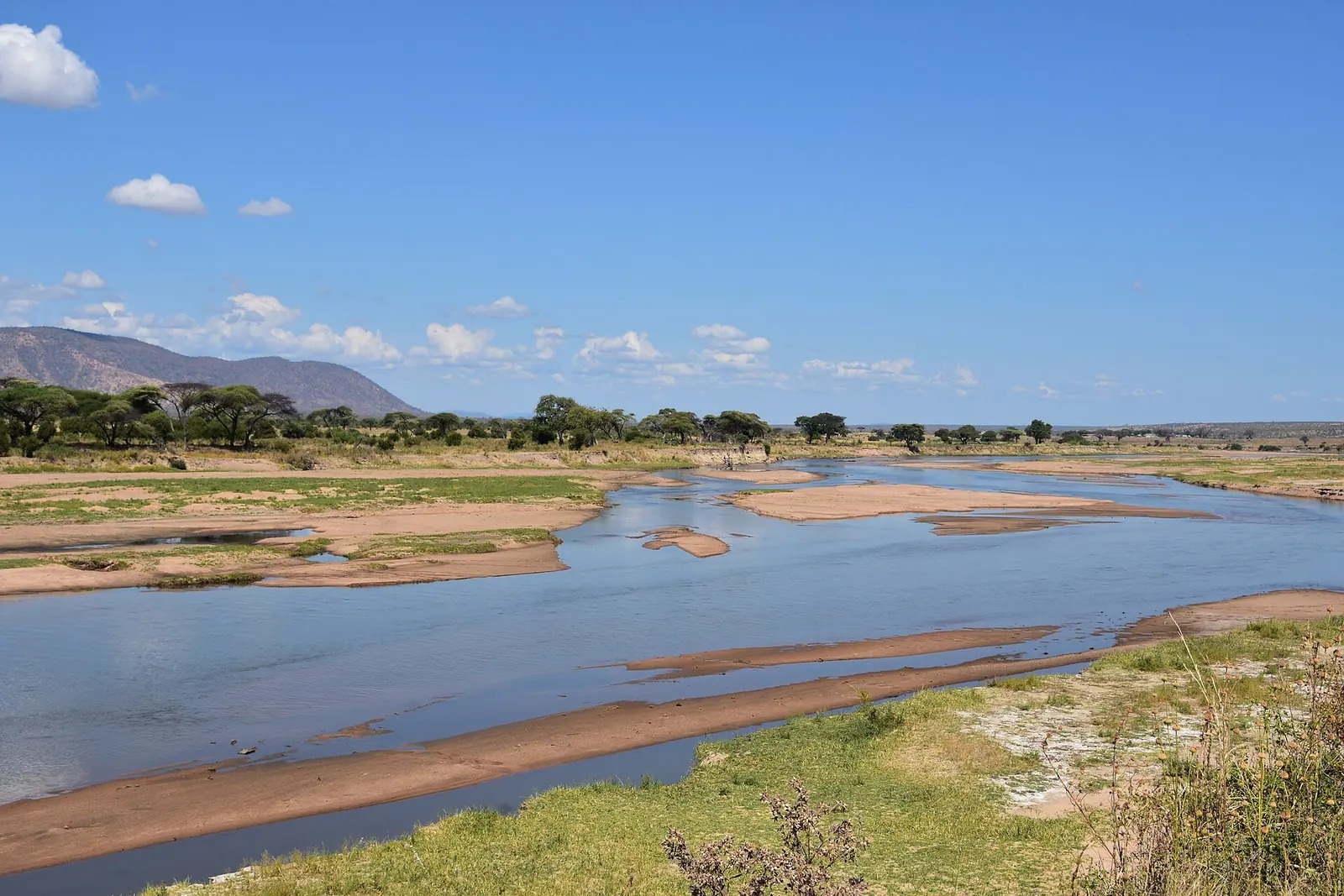
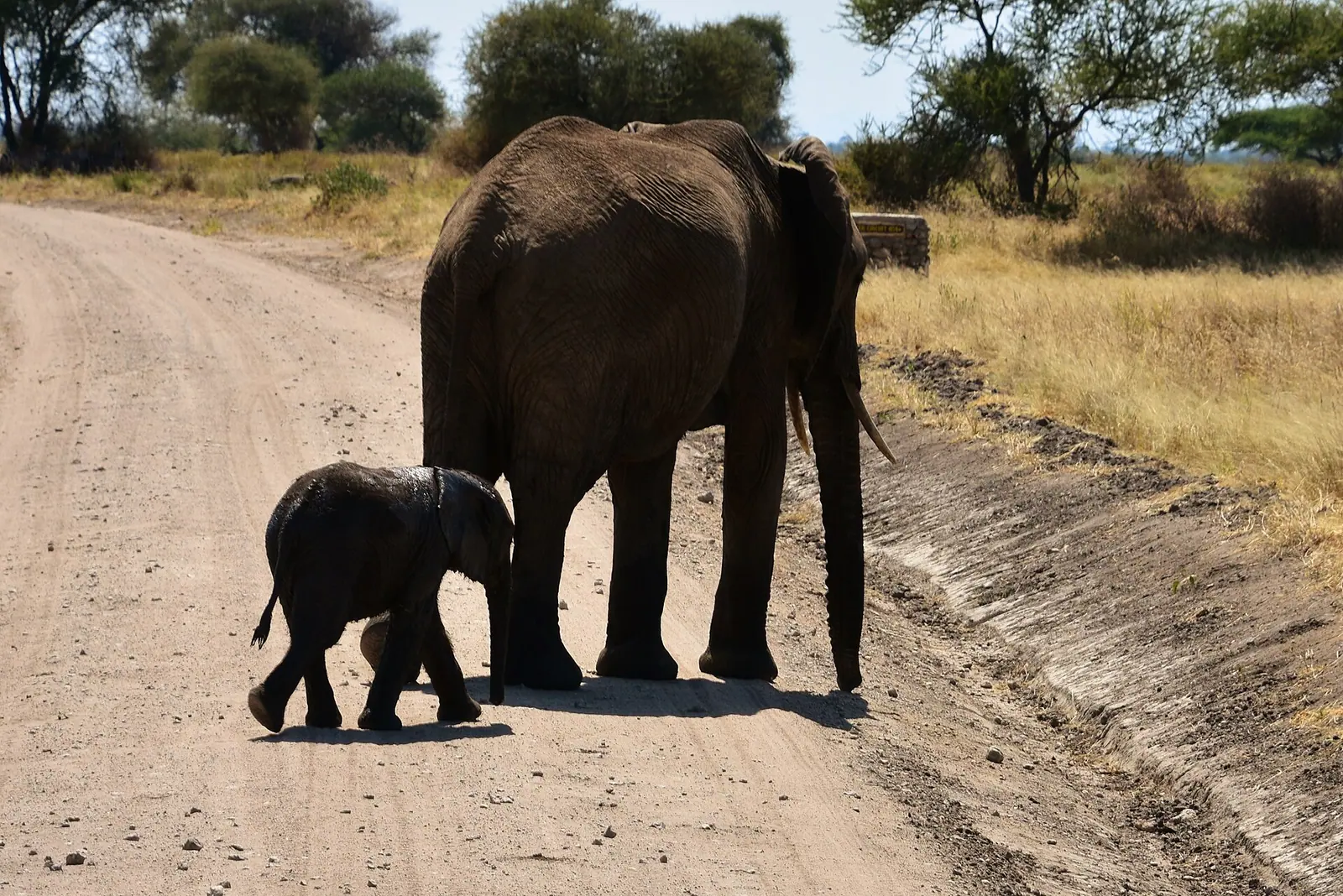
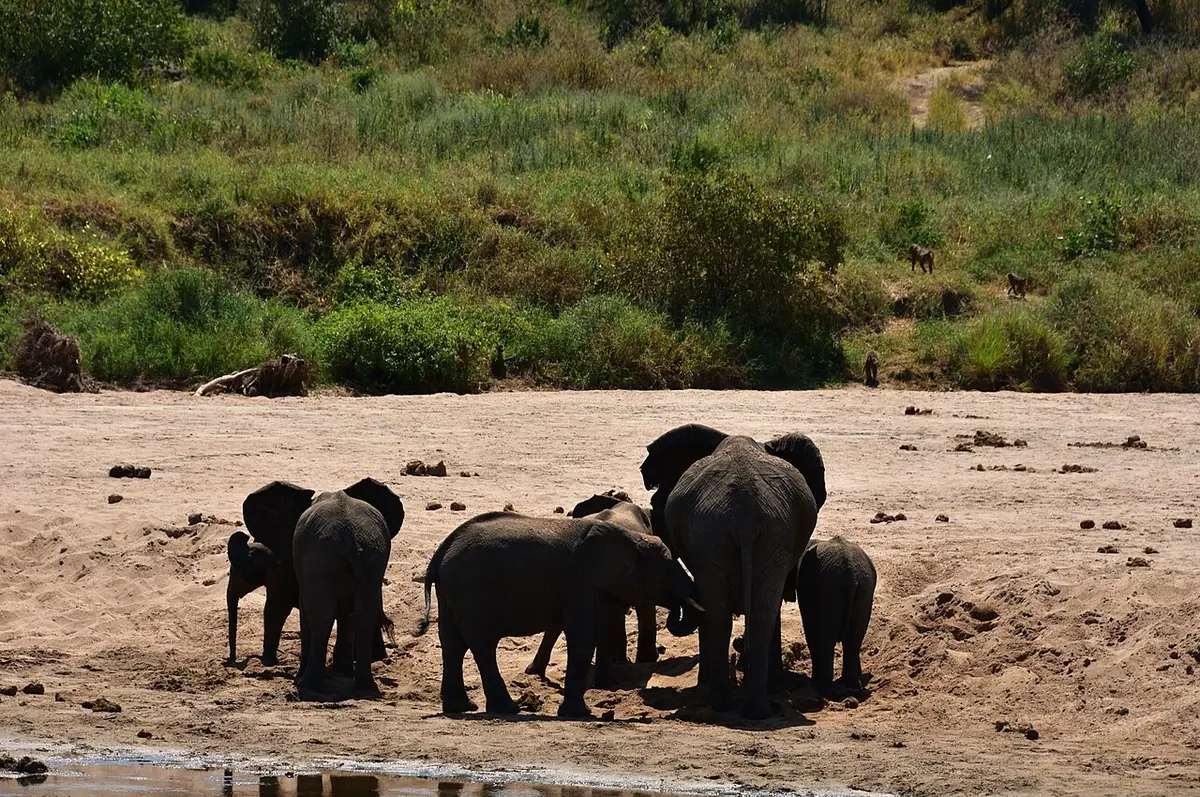
Tarangire is the closest of the big northern parks to Arusha, and one of the most underrated. In the dry season, when the rest of the region is parched, animals come from far around to drink from the Tarangire River, and the park fills with elephants: herds of several dozen are a common sight.
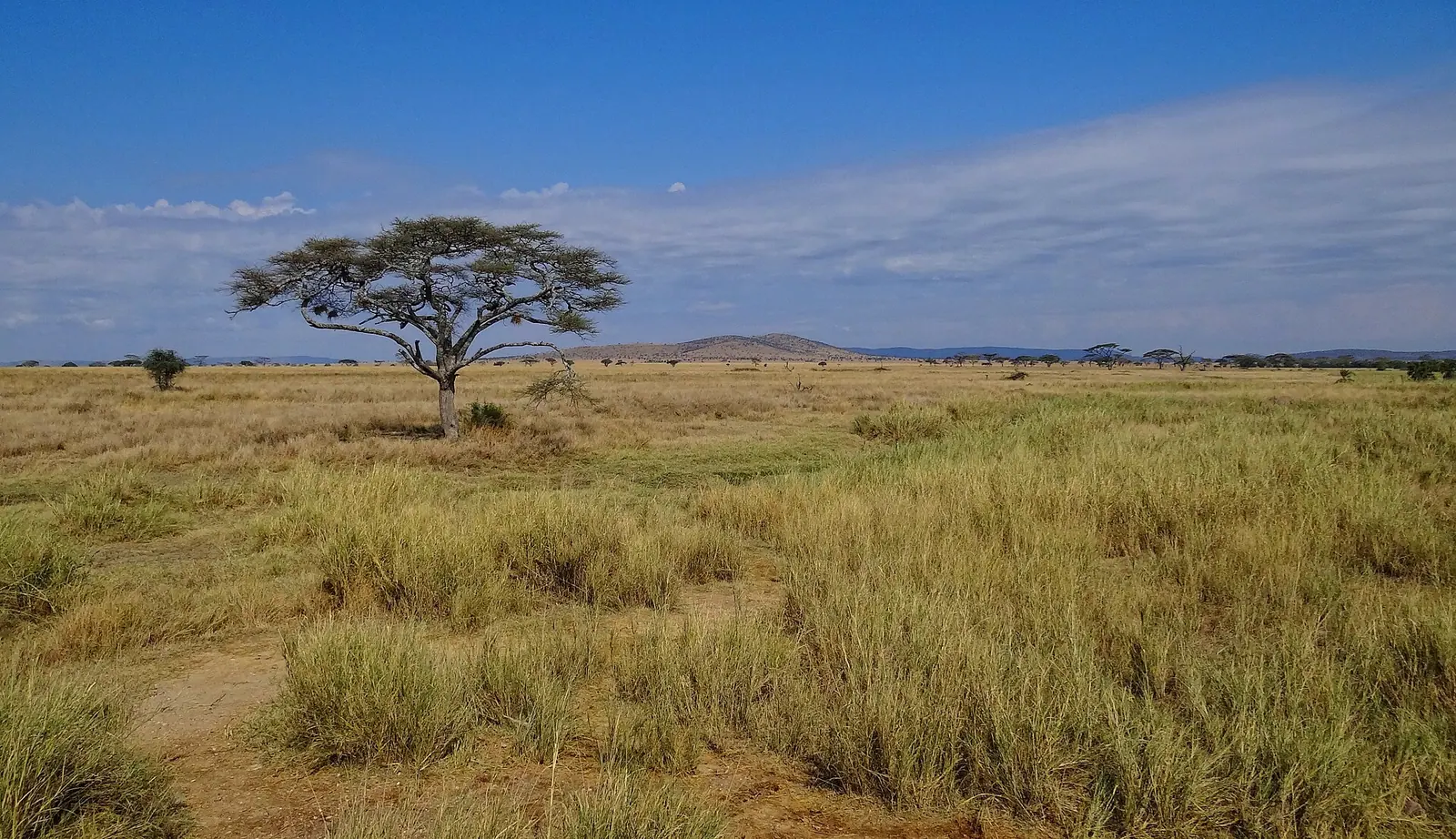
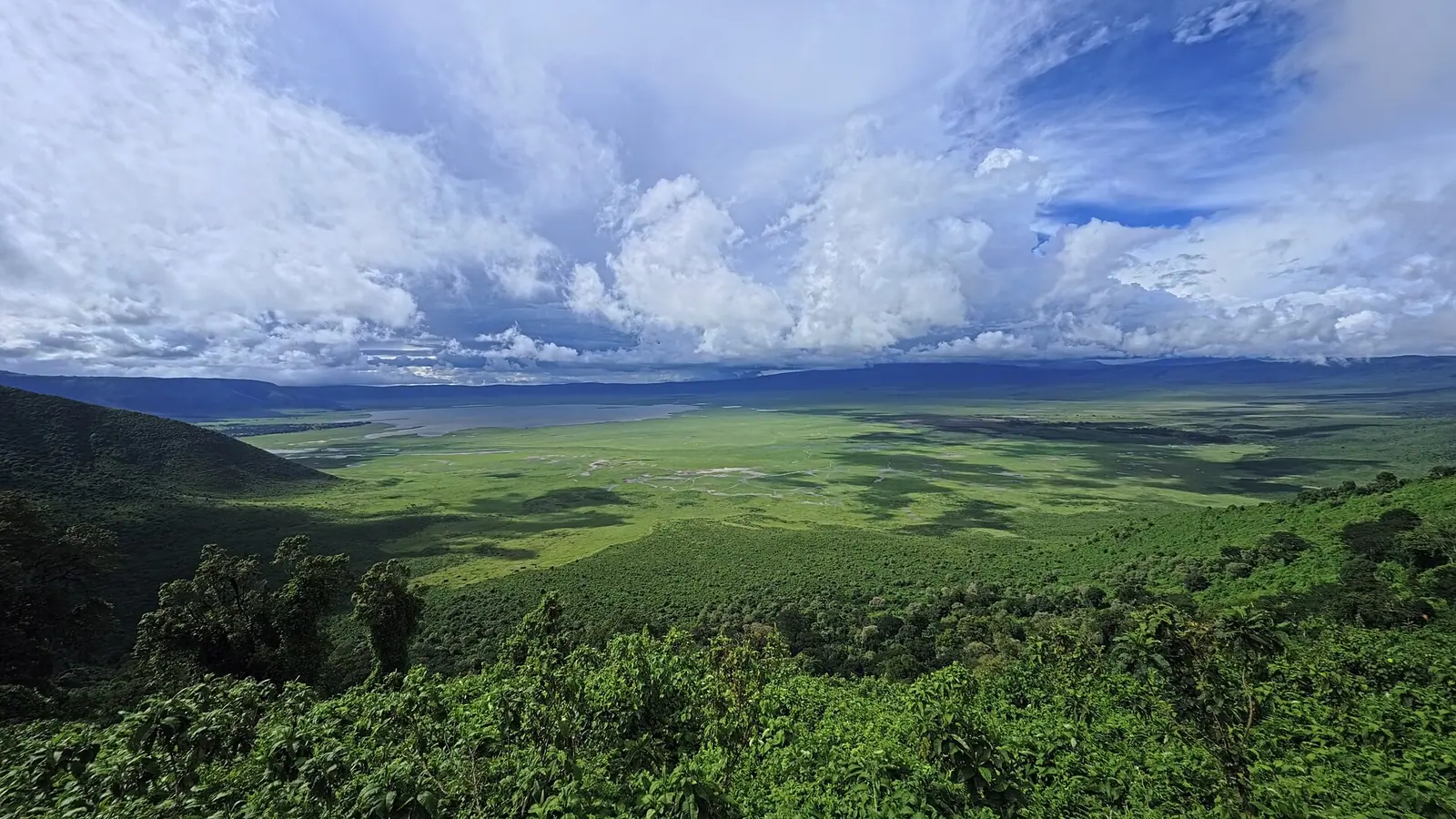
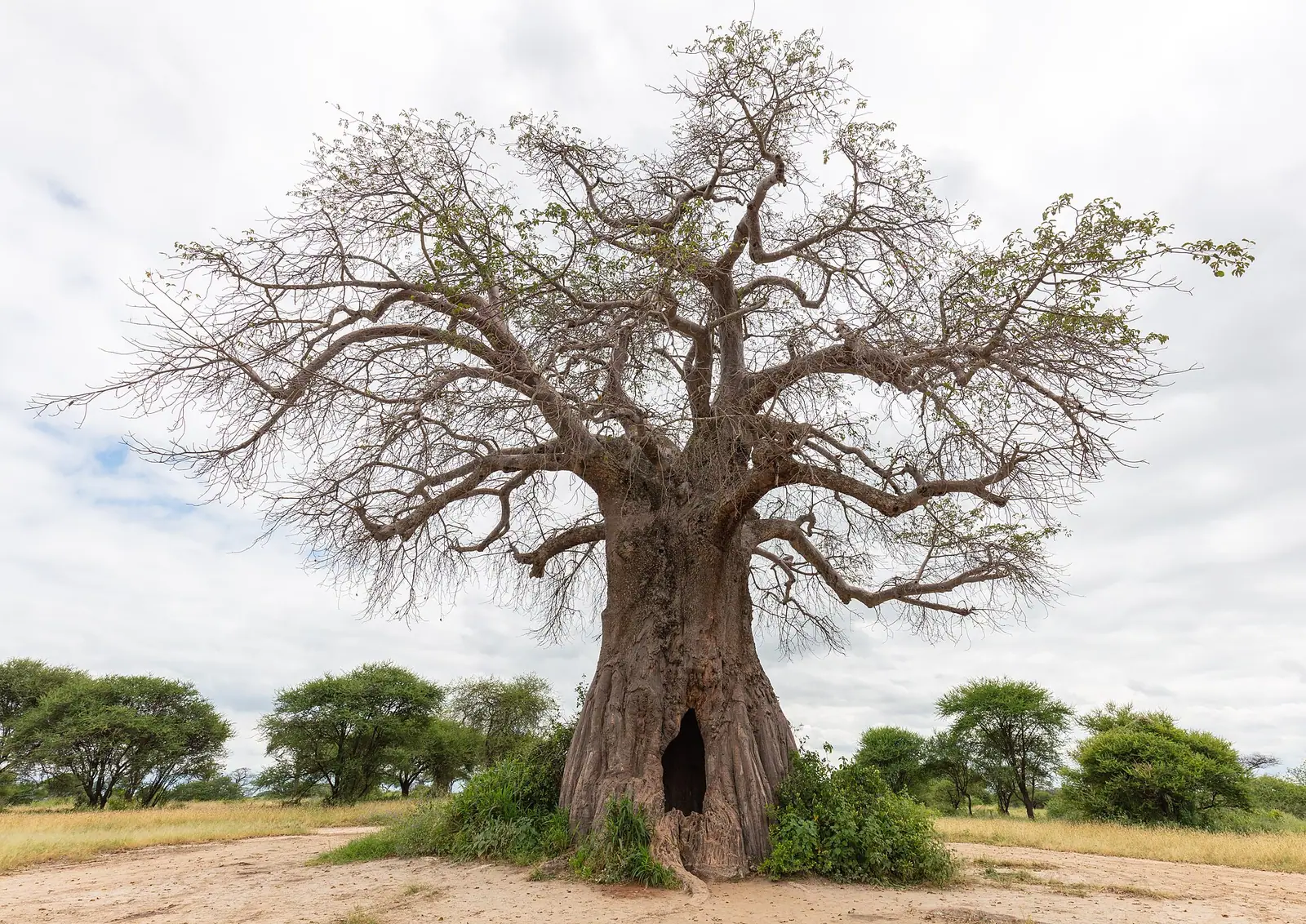
The landscape is different from the open plains of the Serengeti: ancient baobab trees, acacia woodland, termite mounds and seasonal swamps. It is a beautiful place for photography and an easy first stop on a safari.
At a glance
Location
Northern Tanzania, south of Lake Manyara
Size
about 2,850 km²
National park since
1970
Famous for
Elephants and baobabs
Best time
June to October
Days to plan
1 to 2 days
From Arusha
about 2 hours by road
Birds
more than 500 species
Wildlife of Tarangire
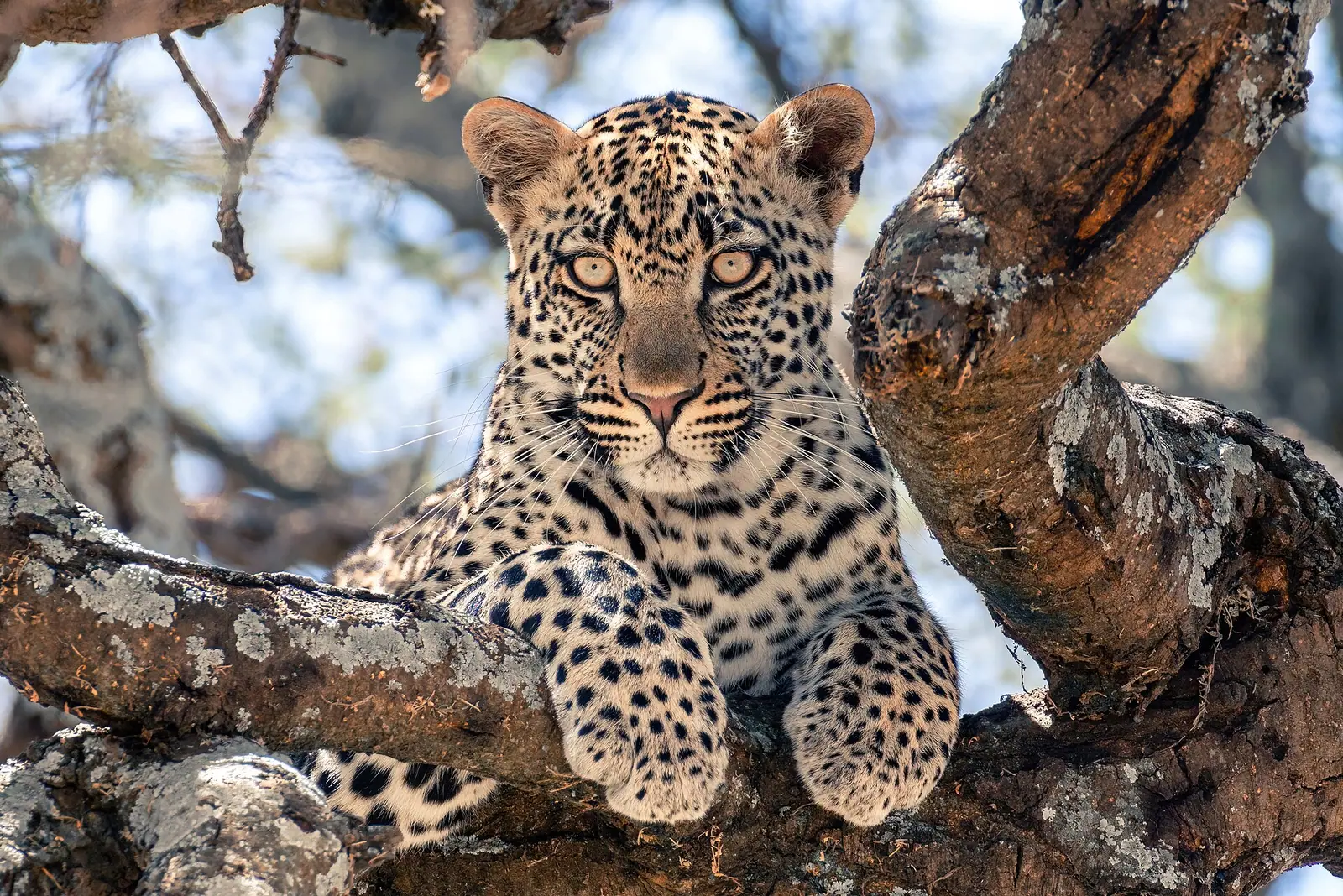
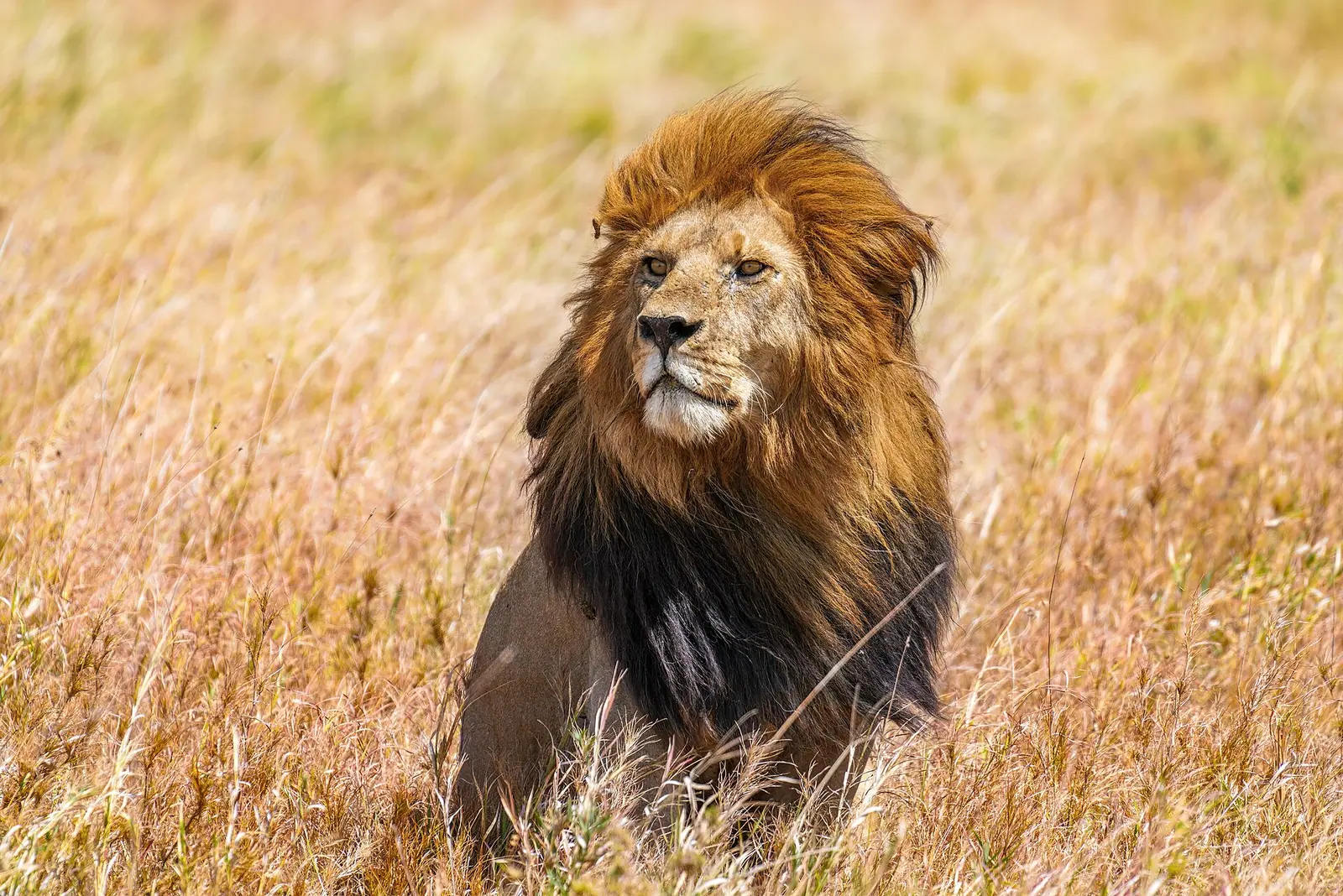
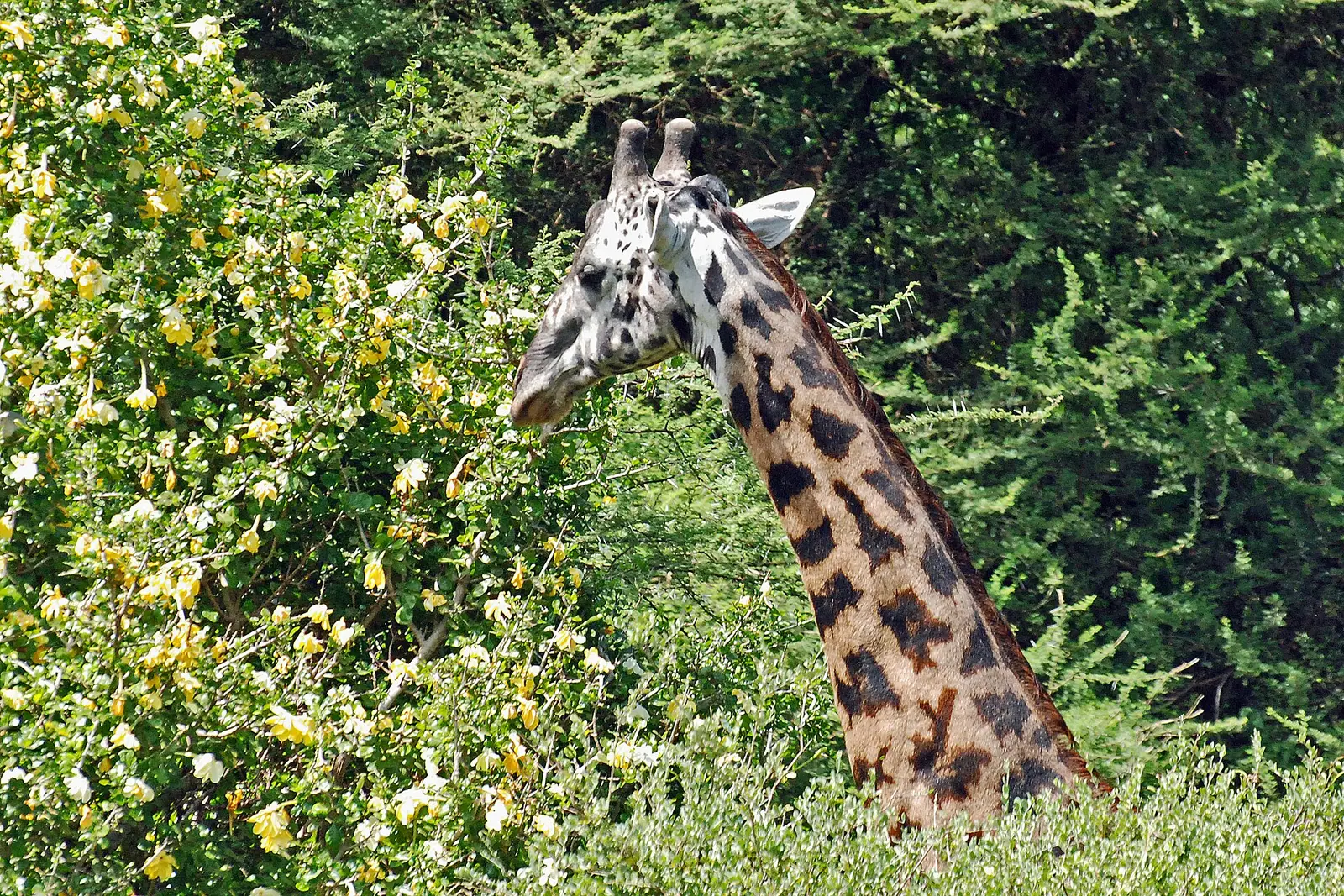
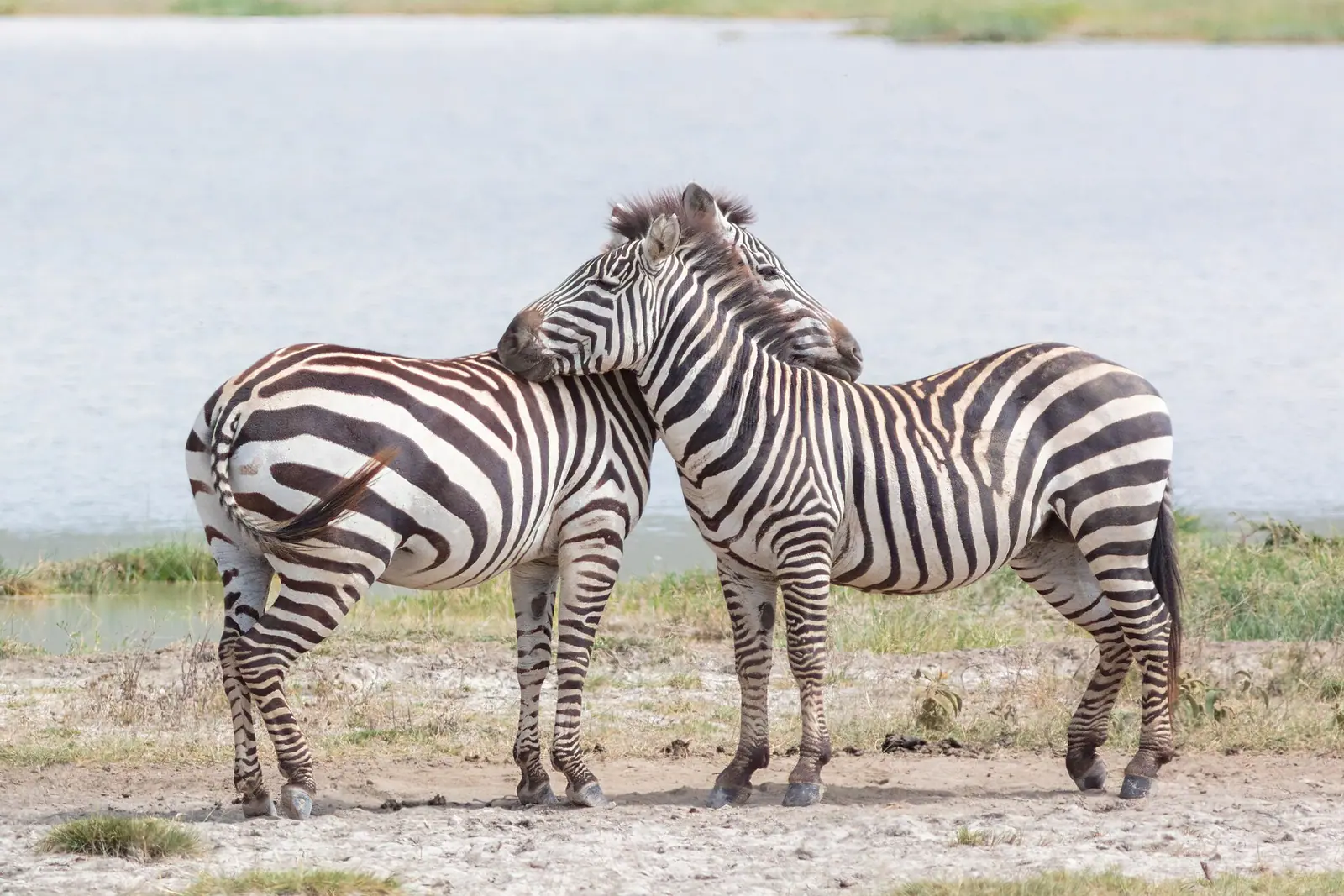
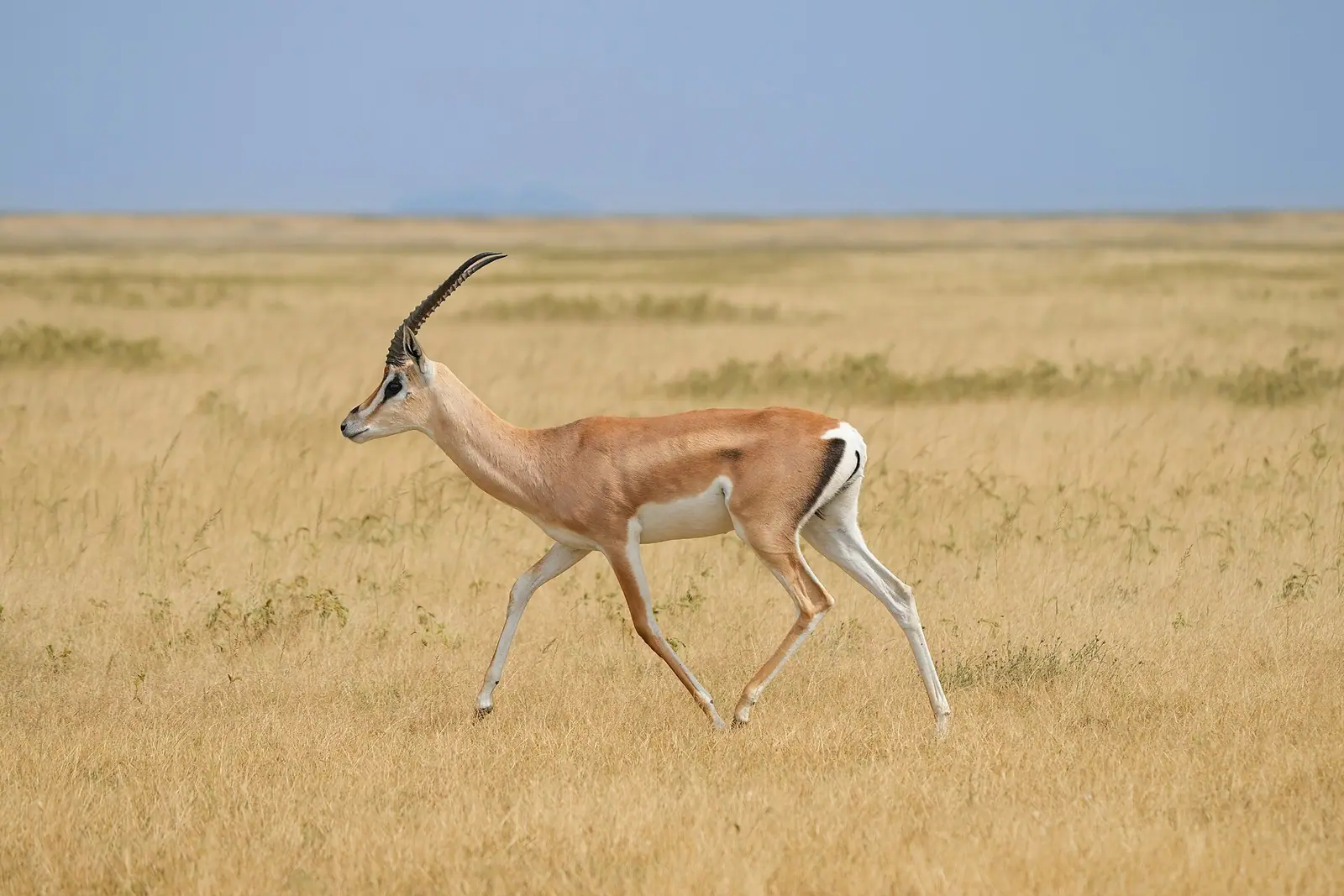
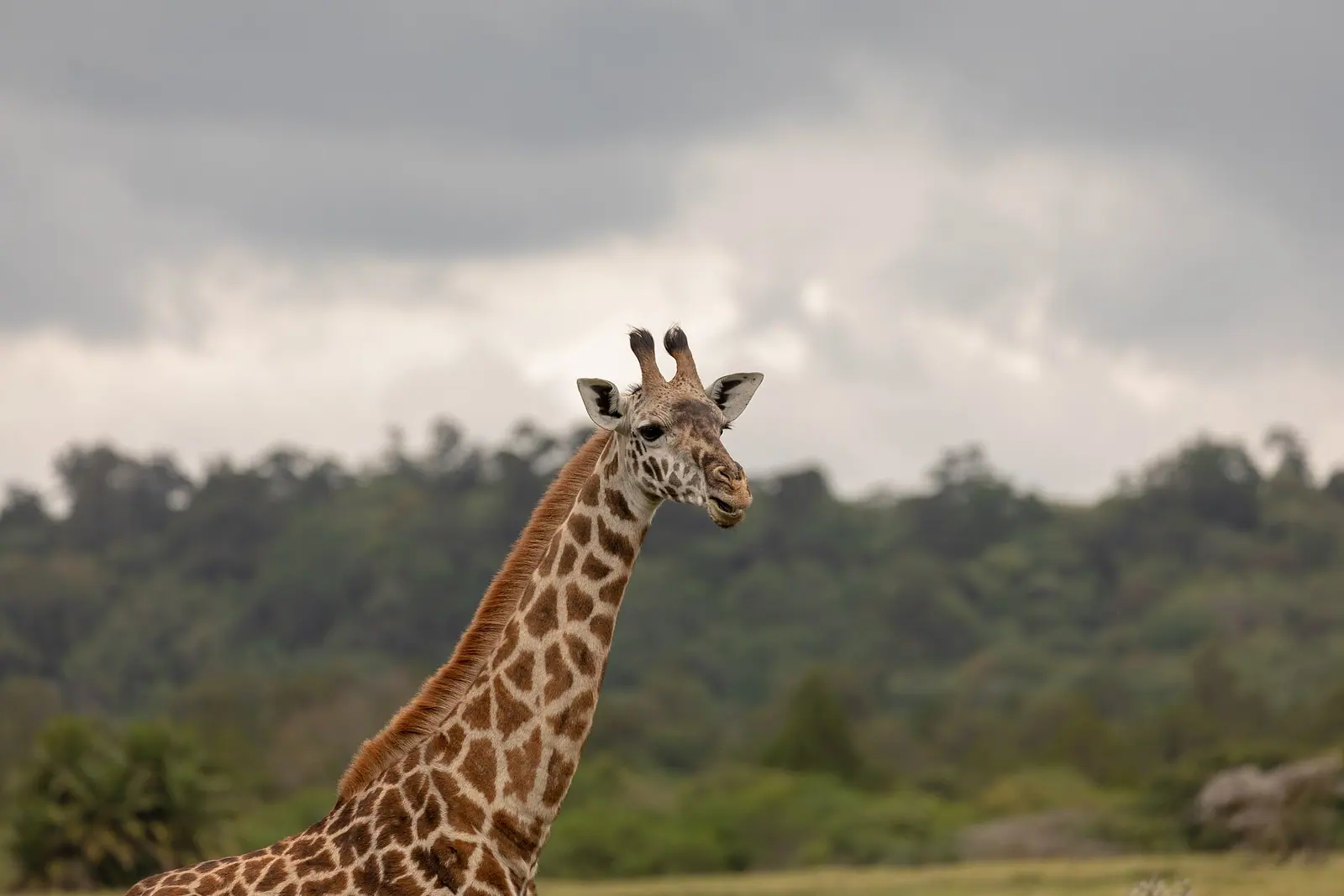
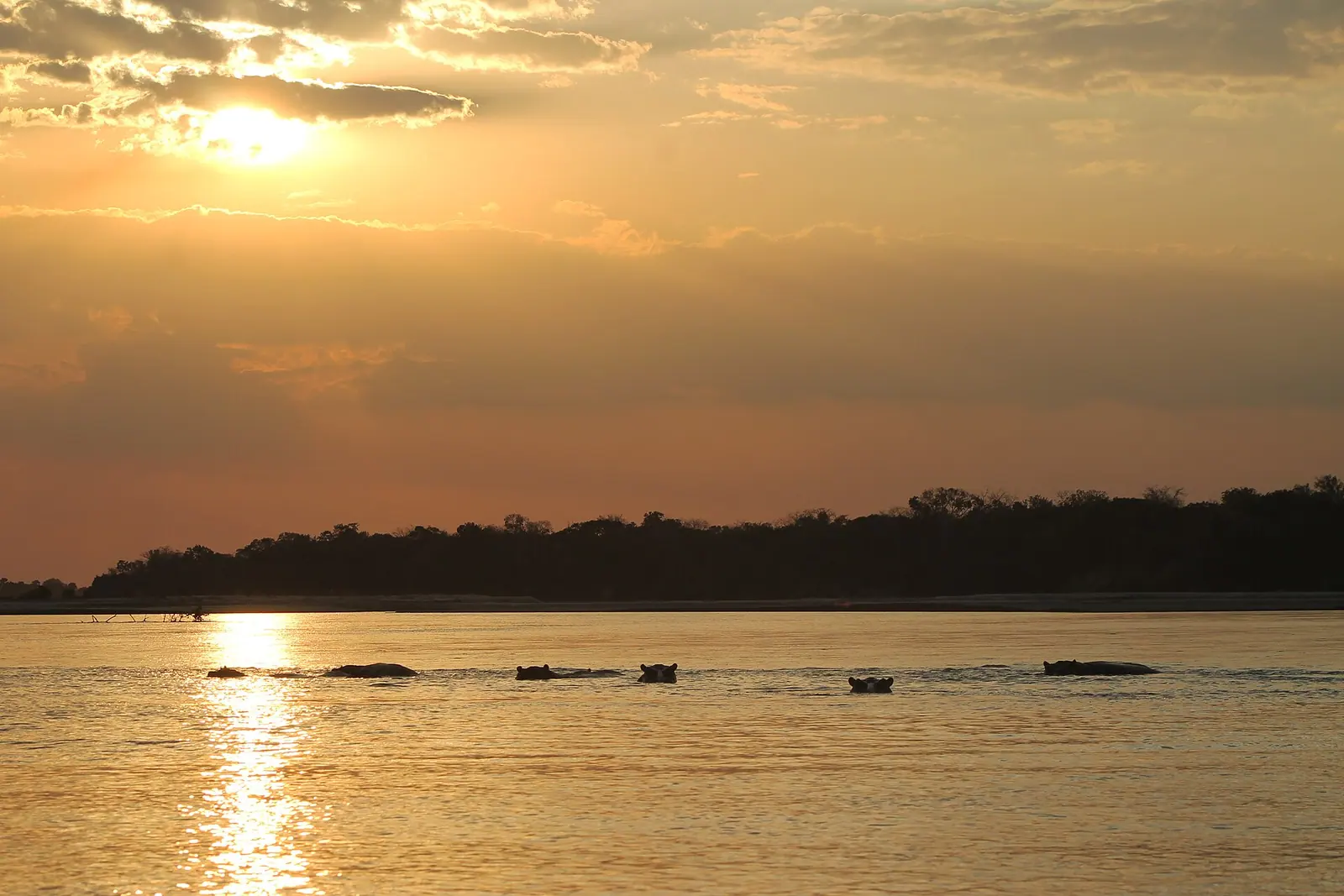
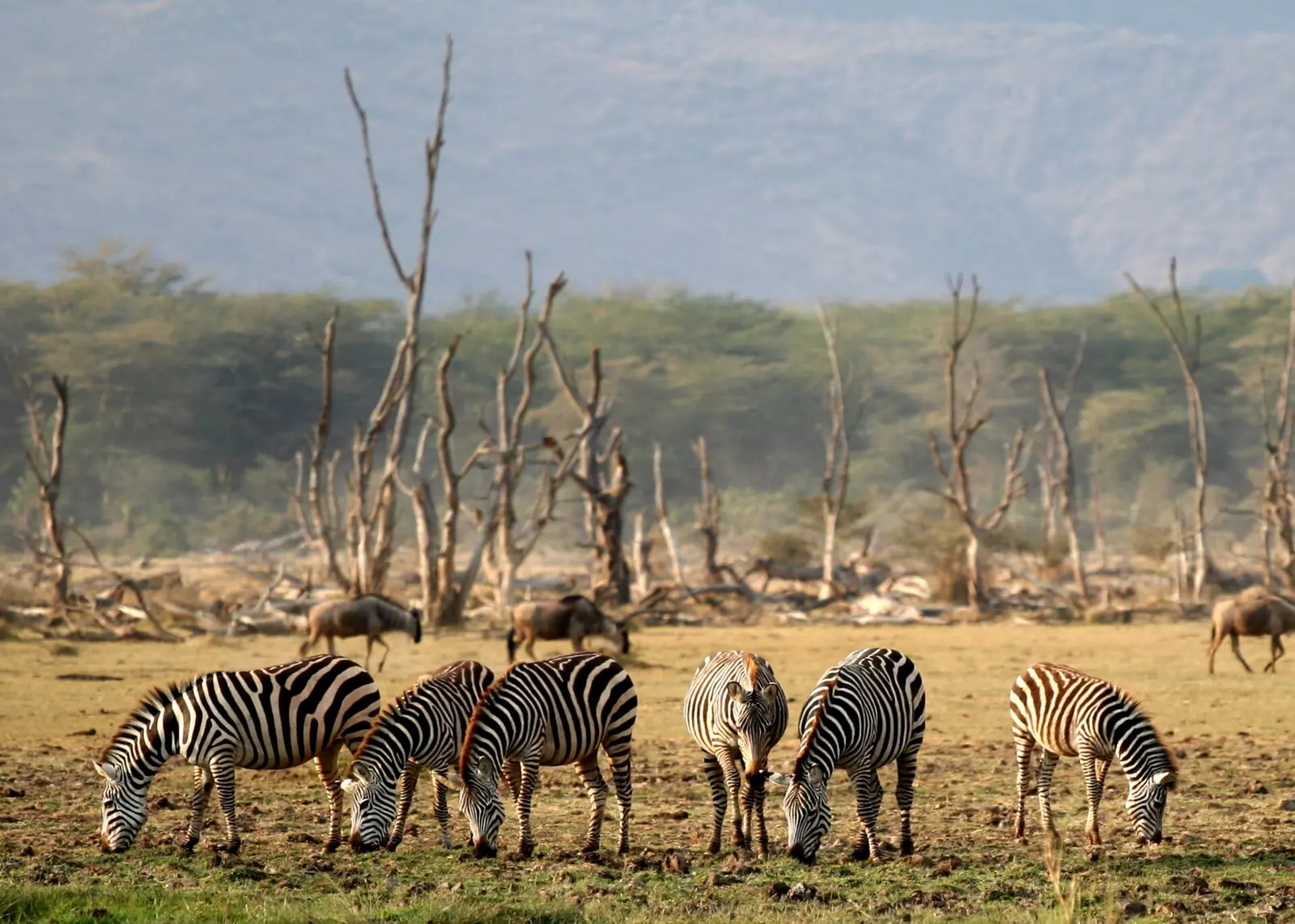
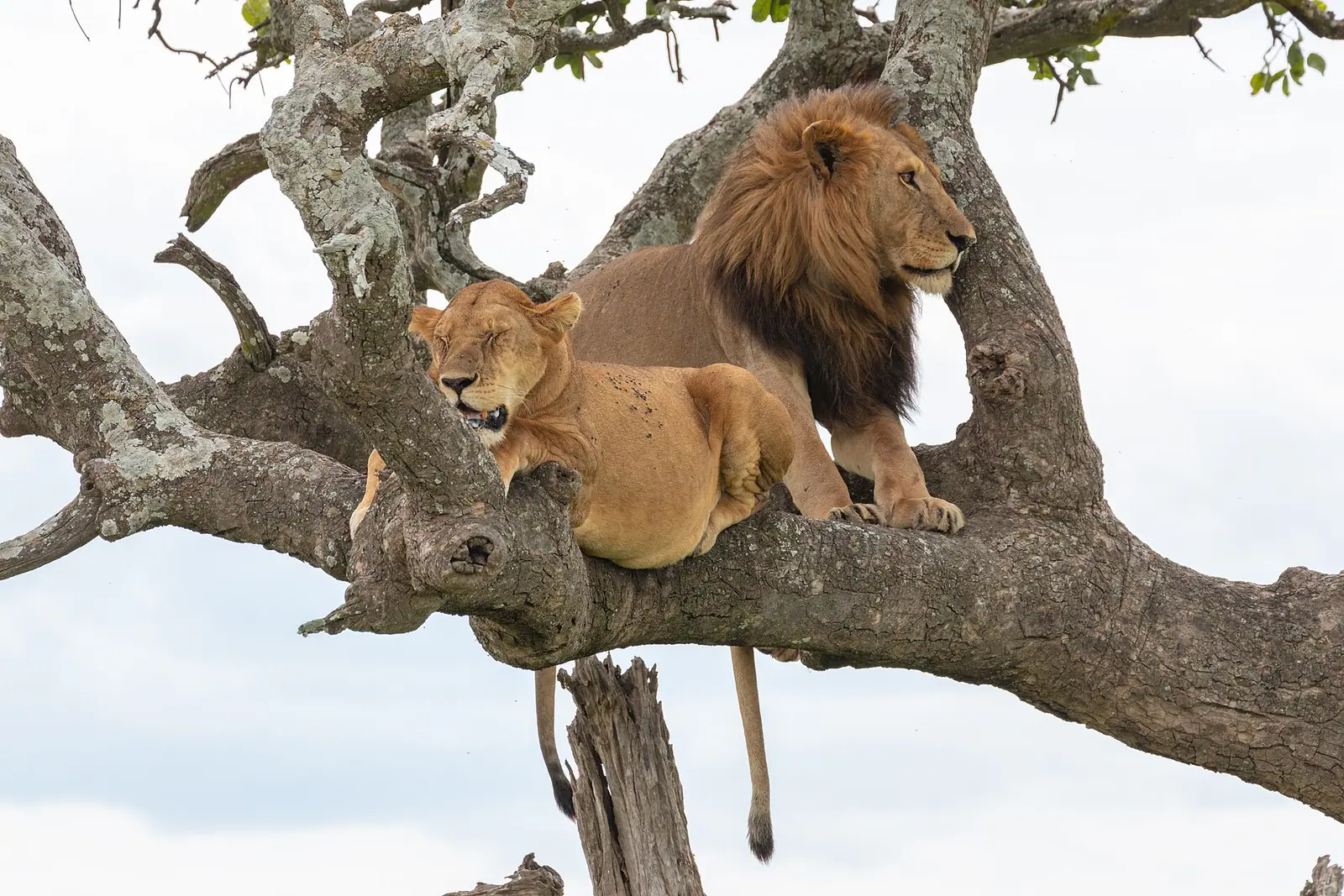
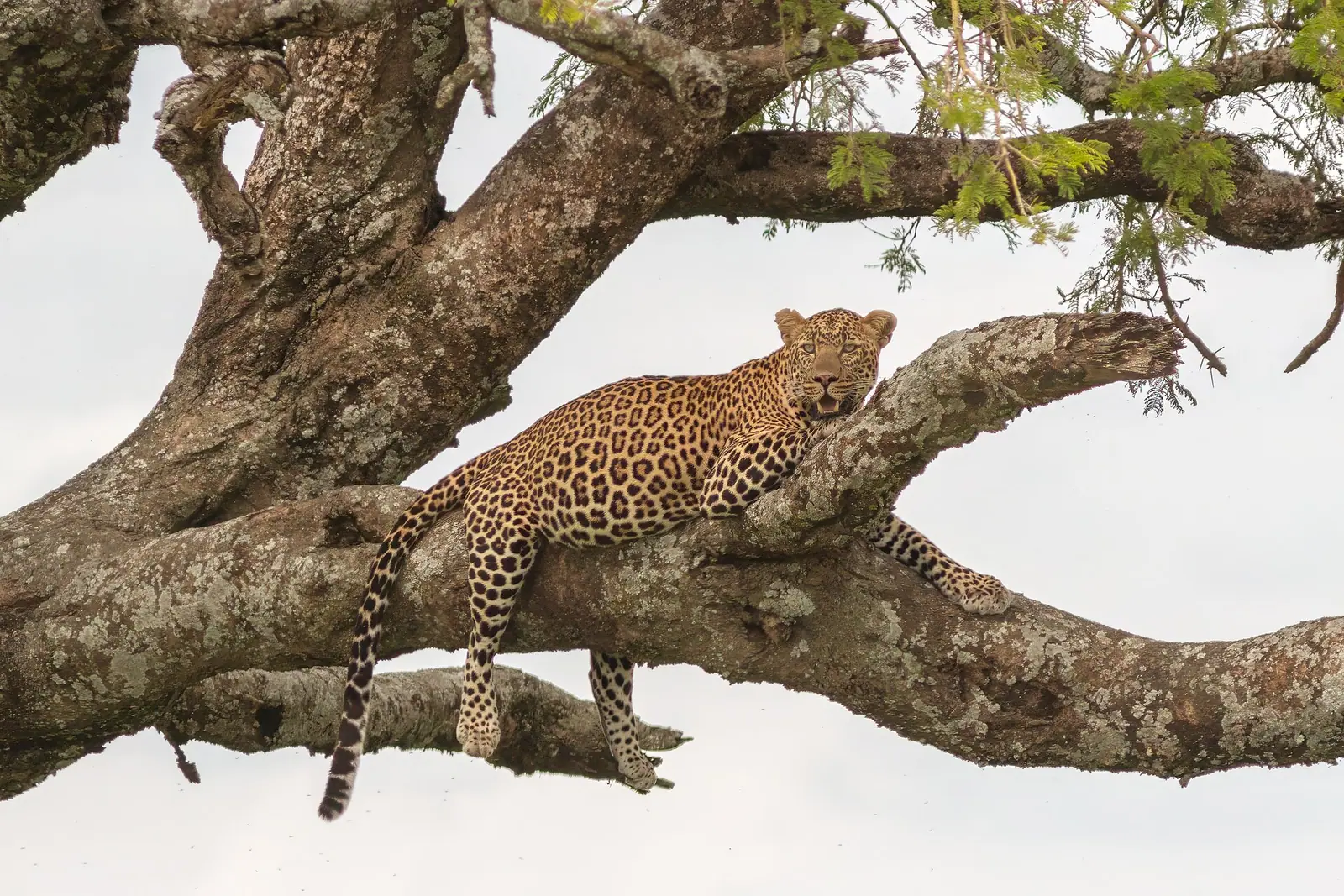
Elephants are the stars of Tarangire, but the park also has lions, leopards, cheetahs, buffaloes, giraffes, zebras, wildebeest, elands, waterbucks, impalas and dik-diks. Lesser kudus and fringe-eared oryx live in the drier parts of the park, and the swamps attract hippos and large numbers of birds.
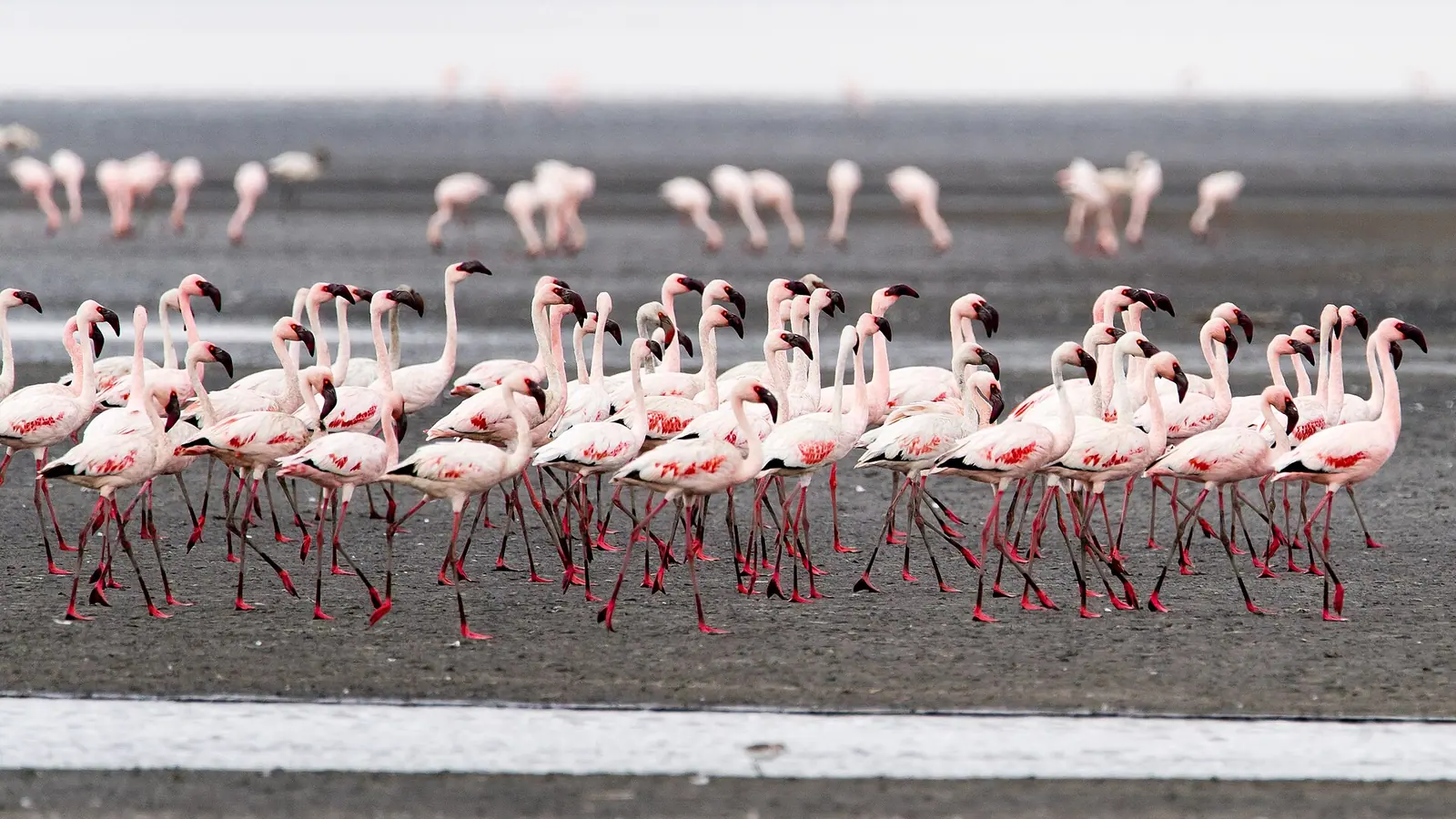
Birdwatchers love Tarangire: hornbills, lovebirds, kori bustards, ostriches, secretary birds and many birds of prey are common, and the green season brings migrant species from Europe and Asia.
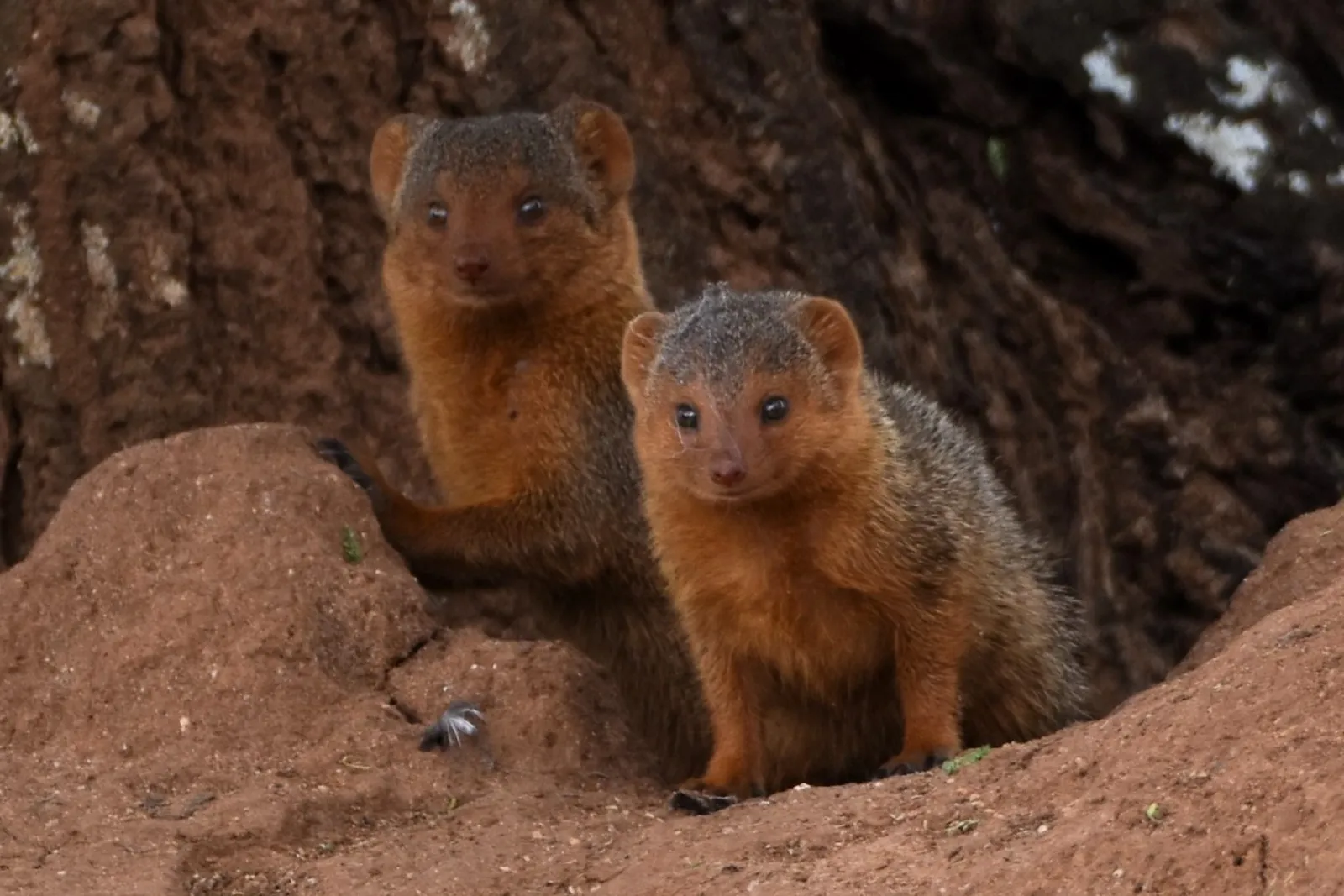
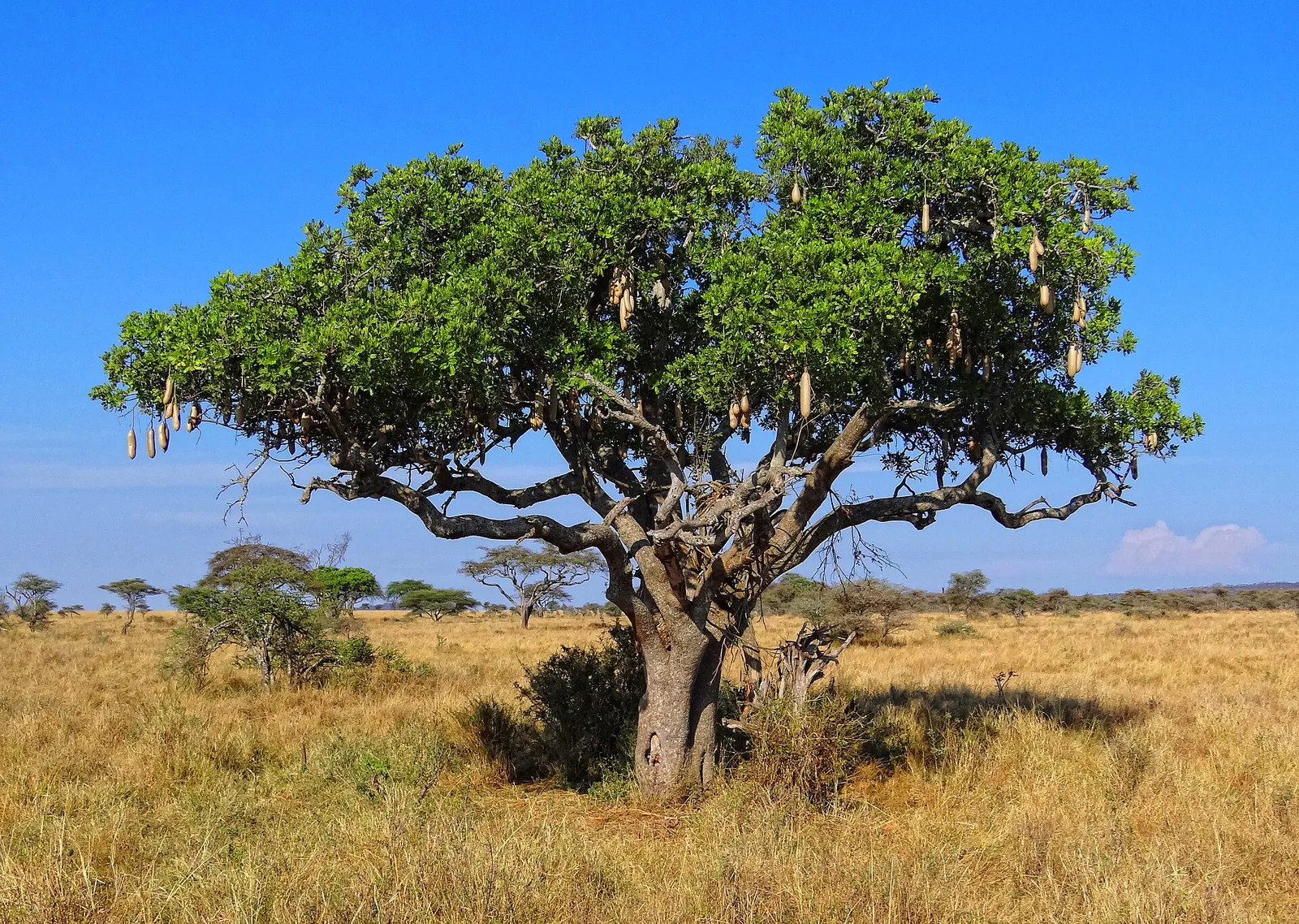
Tarangire’s baobabs are among its symbols. These trees can live for many centuries and store water in their huge trunks; elephants sometimes strip their bark in the dry season. Look out also for red termite mounds, which dwarf mongooses often use as a home, and sausage trees, with their long, heavy fruit.
The dry season, from June to October, is the best time for big herds along the river. From November to May, many animals spread out into the plains outside the park, but Tarangire is green and quiet, and full of birds and young animals. Tsetse flies can be a nuisance in some wooded areas, so wear light-coloured clothes and use repellent.
Things to do
Game drives along the Tarangire River and around the Silale swamp.
Walking safaris with an armed ranger in some areas around the park.
A picnic lunch at a viewpoint above the river.
Night game drives in some private areas next to the park, where you may see bush babies, genets and porcupines.
Getting there and how long to stay
Tarangire is about two hours’ drive from Arusha on a tarmac road, which makes it an ideal first or last day of a safari. One full day gives you a good impression; two days, with a night in or near the park, let you explore further.


 4 days