

 Islands
Zanzibar is warm all year, with sea temperatures that rarely fall below 25 °C. The seasons are shaped by the rain and by the trade winds that blow across the Indian Ocean. Here is how the year looks on the island.
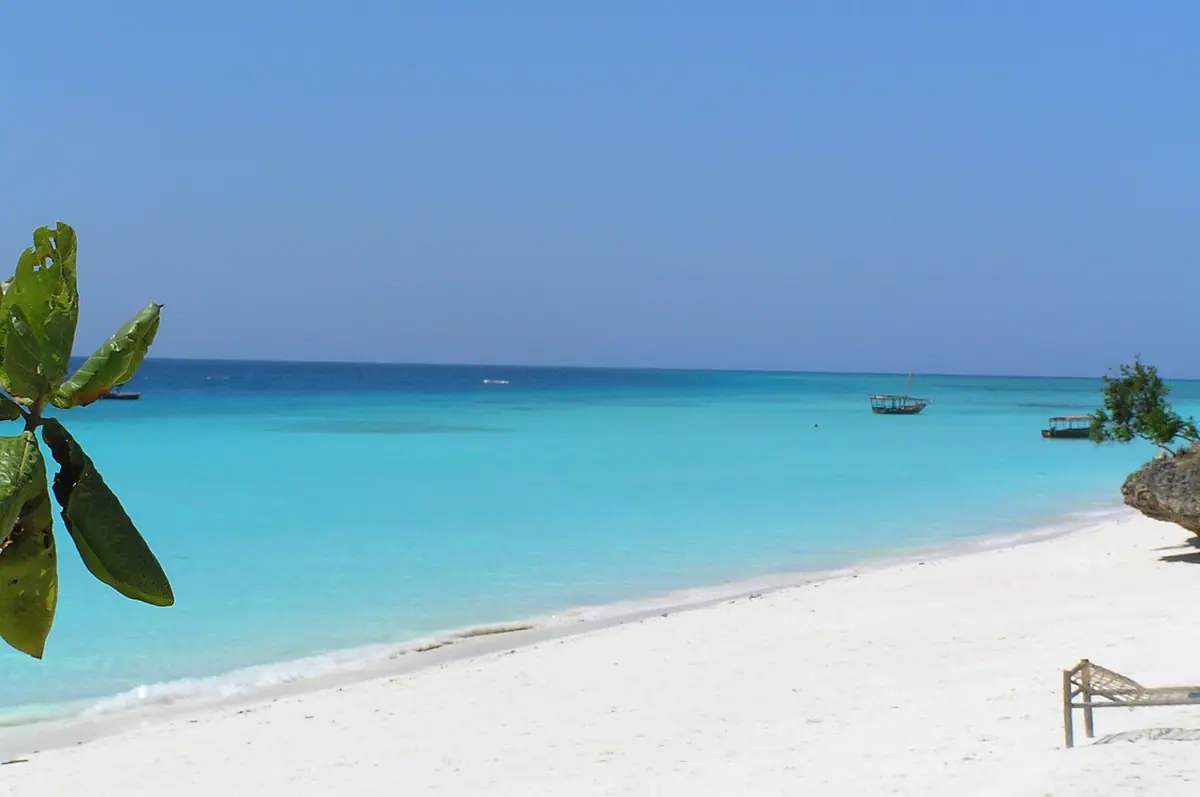
June to October: the cool dry season
The most popular time to visit. Days are sunny and pleasantly warm, the humidity is lower and the south-east trade wind, the kusi, keeps things fresh. It is a perfect time to combine a safari or a Kilimanjaro climb with a beach stay. It is also the main kitesurfing season on the east coast.
November: the short rains
Short showers, often in the afternoon or at night, with plenty of sunshine in between. Hotels are quieter and prices are often lower.
December to February: the hot dry season
Hot and humid, with calm seas and clear water, ideal for diving and snorkelling. The north-east wind, the kaskazi, brings a second kitesurfing season. The Christmas and New Year holidays are the busiest weeks of the year.
March to May: the long rains
The wettest period, with heavy rain on many days, especially in April and May. Some hotels close for maintenance, and the sea can be rougher. In return, prices are at their lowest.
In short
- Best weather: June to October and December to February
- Best for diving and snorkelling: roughly October to March, when the sea is calmest
- Best for kitesurfing: June to September and December to February
- Best prices: April, May and November
Planning a beach stay after your safari? See our Zanzibar page.
Photo credits
- A beach on Zanzibar: Jang Woo Lee, CC BY 3.0
Photos from Wikimedia Commons, used under the licences named.
Curious to discover more of Tanzania?
Our team in Arusha would be happy to answer your questions and help you plan your safari, climb or beach holiday.