

 Islands
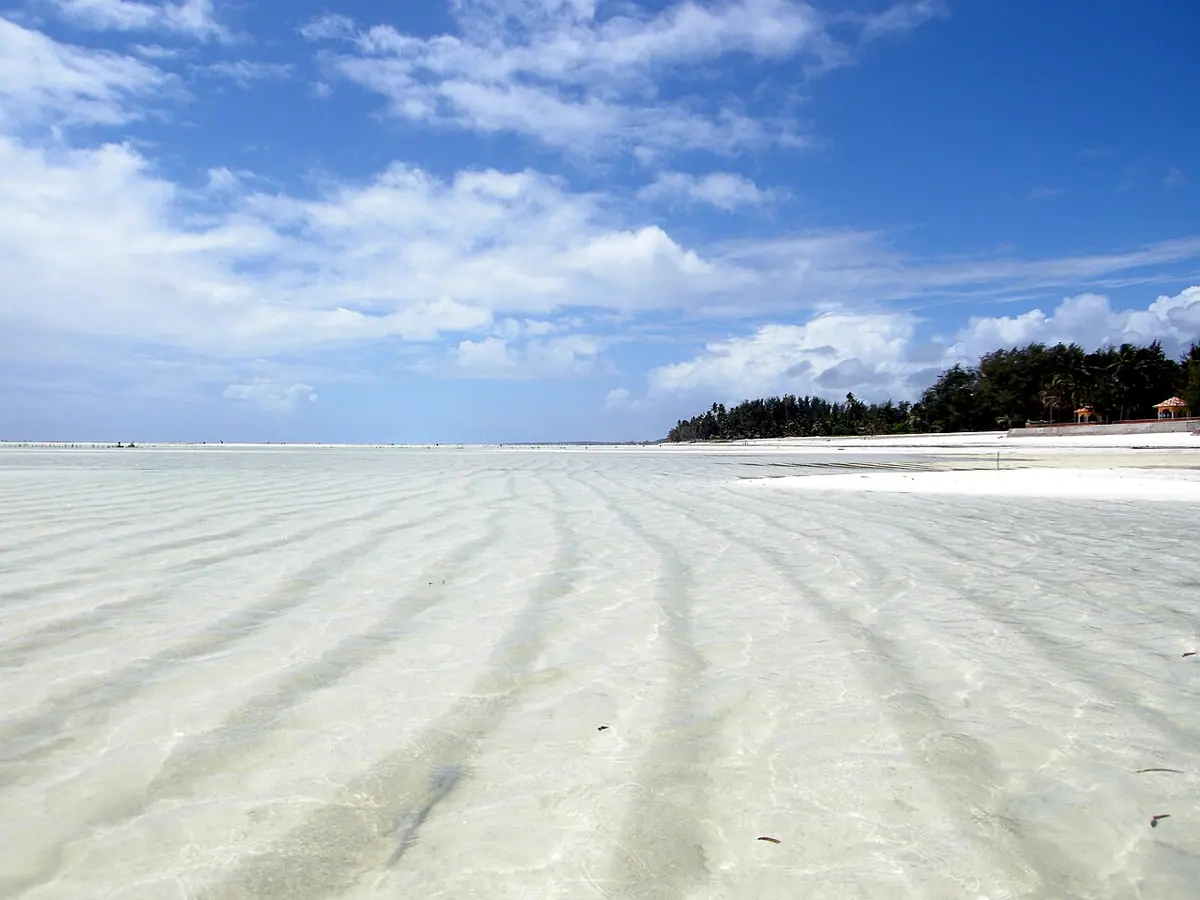
Many first-time visitors to Zanzibar are surprised to find the sea hundreds of metres away from the beach in the middle of the day. The island has large tides, and on some coasts they shape the whole day. Here is what to expect.
How the tides work
The sea rises and falls twice a day, so there are two high tides and two low tides roughly every 24 hours, each about six hours apart. The times move later each day. Around the full moon and new moon, the tides are strongest: the sea comes higher and goes out further.
The east and south-east coasts
On the east coast, from Matemwe and Kiwengwa down to Paje and Jambiani, a wide reef protects a shallow lagoon. At low tide the lagoon can almost empty, leaving sand, seagrass and rock pools. It is a fascinating time to walk out with a guide, watch the seaweed farmers at work and look for starfish, but swimming is only good around high tide.
The north and west coasts
At Nungwi and Kendwa in the north, the beaches drop more steeply, and you can swim at almost any time of day. This is why many travellers who want to swim whenever they like choose the north.
Tips
- Ask your hotel for the tide times, or use a tide table.
- Wear reef shoes when walking on the lagoon at low tide.
- Plan snorkelling trips and boat trips around the tide.
- Do not walk too far out on a rising tide.
Photo credits
- Paje beach at low tide: Matt Kieffer from London, United Kingdom, CC BY-SA 2.0
Photos from Wikimedia Commons, used under the licences named.
Curious to discover more of Tanzania?
Our team in Arusha would be happy to answer your questions and help you plan your safari, climb or beach holiday.