

 About Tanzania
Malaria is present in most of Tanzania, including the safari parks, the coast and Zanzibar. It is spread by mosquitoes that bite mainly between dusk and dawn. With sensible precautions, the risk for travellers is low.
Four steps to prevent malaria
- Awareness: know that the risk exists, even on a short trip.
- Bite prevention: use an insect repellent with DEET or a similar ingredient, wear long sleeves and trousers in the evening, and sleep under a mosquito net or in a screened room.
- Preventive tablets: your doctor can prescribe tablets suited to you and your trip. Take them exactly as prescribed, including after you return.
- Diagnosis: if you get a fever during your trip or in the months after, see a doctor and mention that you have been to Tanzania.
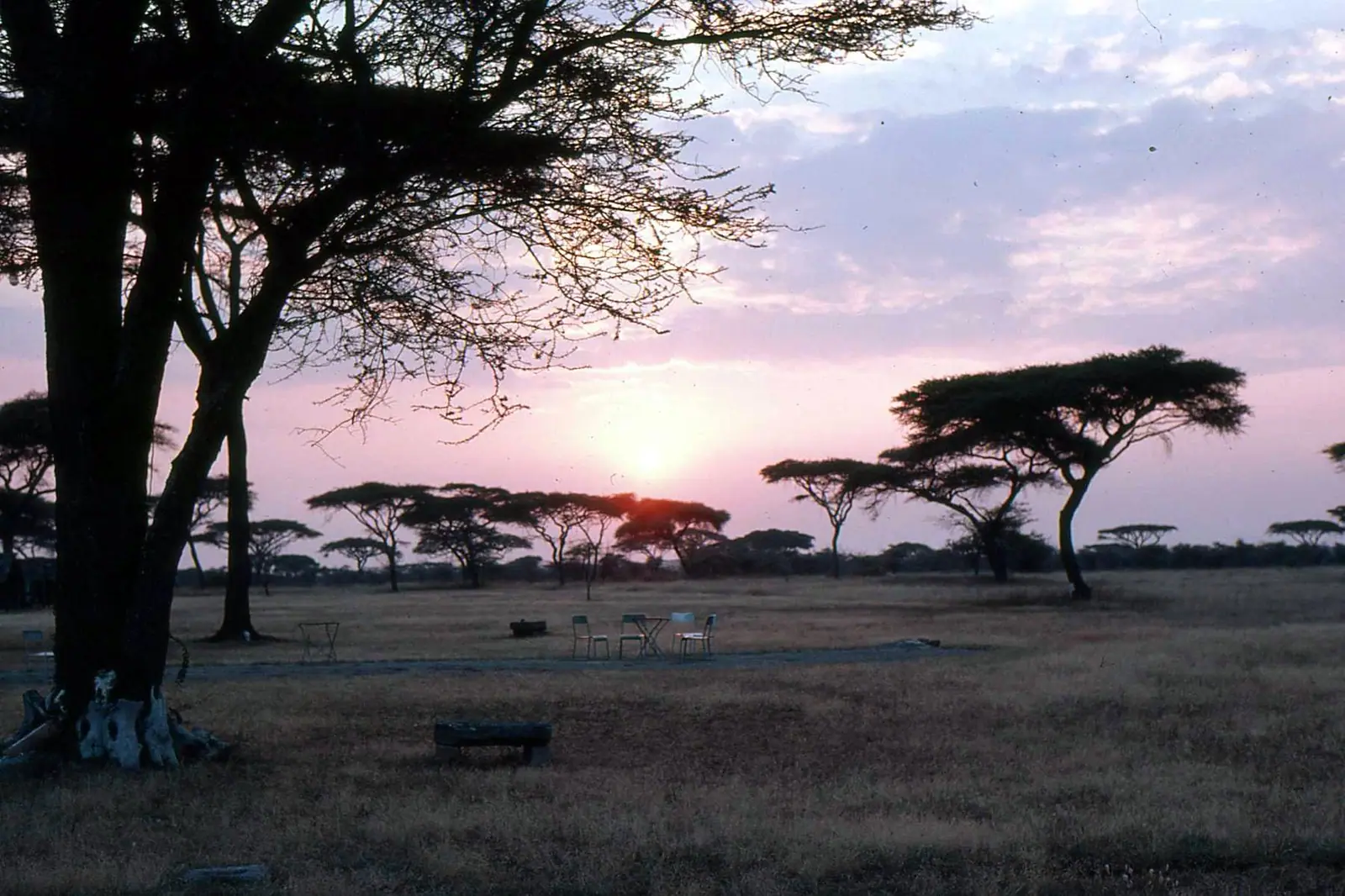
Evening in the bush, when mosquitoes are most active
What about Kilimanjaro?
There are no malaria mosquitoes high on Kilimanjaro, but there is a risk in Moshi, Arusha and the surrounding lowlands where you stay before and after the climb.
Good to know
Many lodges and camps provide mosquito nets and spray rooms in the evening. Wear light-coloured clothes, which also keep you cooler.
Photo credits
- Evening in the bush, when mosquitoes are most active: mwanasimba from La Réunion, CC BY-SA 2.0
Photos from Wikimedia Commons, used under the licences named.
Published on 11 September 2021 Revised on 23 October 2026
Curious to discover more of Tanzania?
Our team in Arusha would be happy to answer your questions and help you plan your safari, climb or beach holiday.