

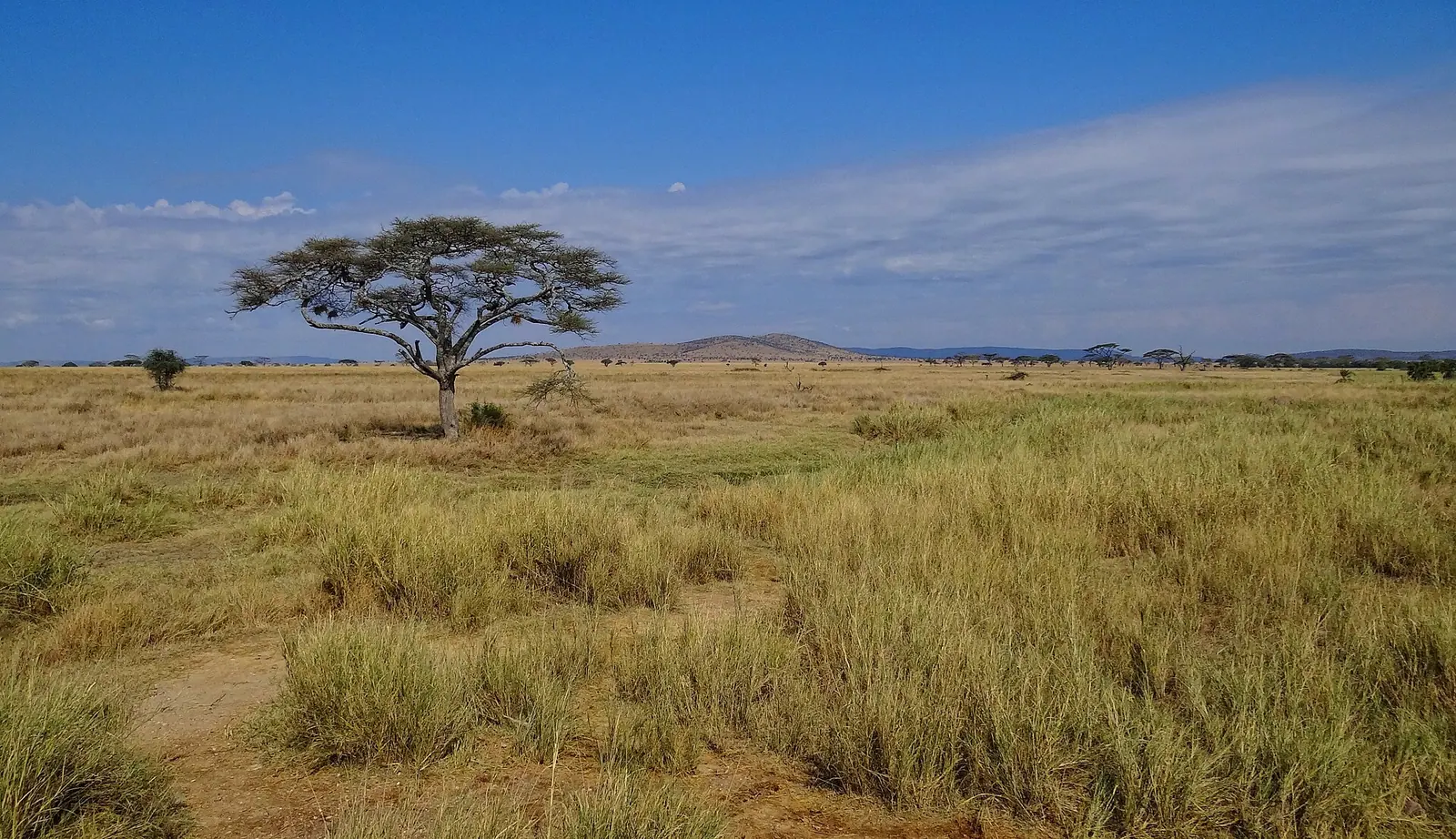
 1–10 days
Wildlife safaris
Private safaris to Tarangire, the Ngorongoro Crater, the Serengeti and more, planned around you.
Private safarisFind out more
Arusha is where most safaris in northern Tanzania begin. The city lies at about 1,400 metres, at the foot of Mount Meru, which makes it cooler and greener than the plains around it. From here it is around two hours’ drive to Tarangire and Lake Manyara, three to the Ngorongoro Crater, and a day to the heart of the Serengeti.
With more than half a million people, Arusha is also a busy city in its own right: a place of markets, coffee farms, government offices and international organizations, where Maasai in red shukas, office workers and travelers in safari clothes share the same streets.
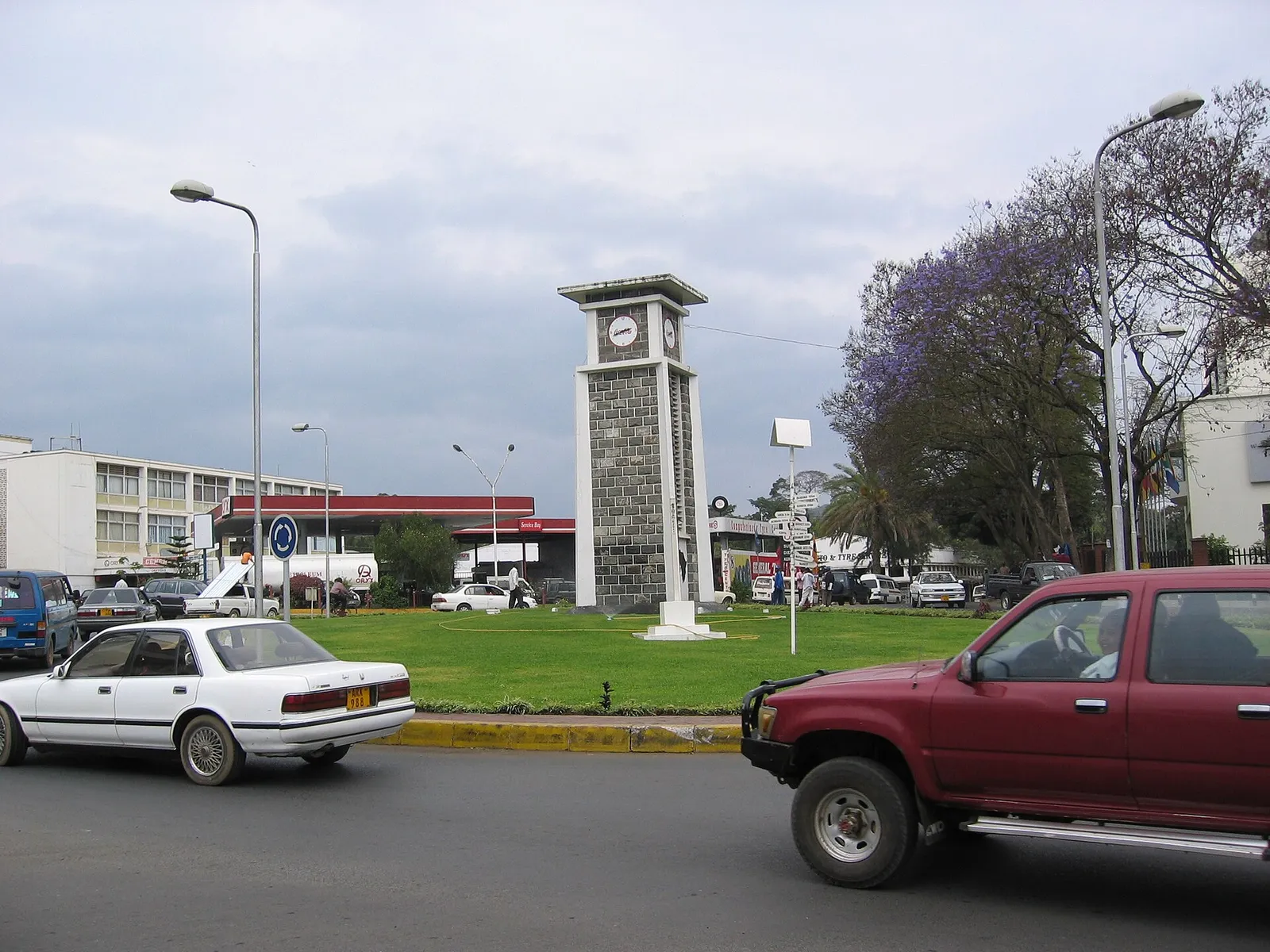
The Clock Tower roundabout in the city centre is Arusha’s best-known landmark. According to a popular local story, it stands halfway between Cairo and Cape Town.
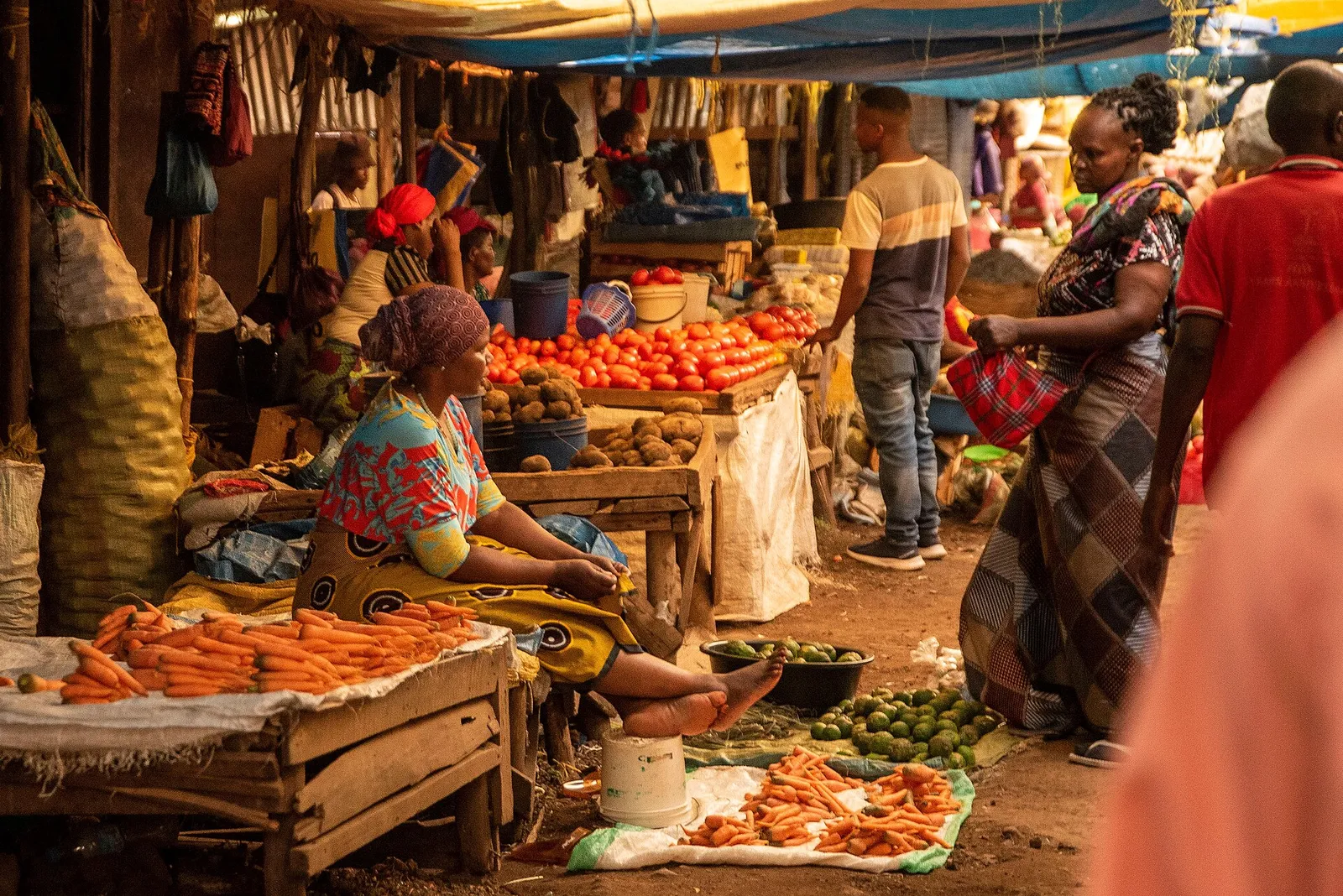
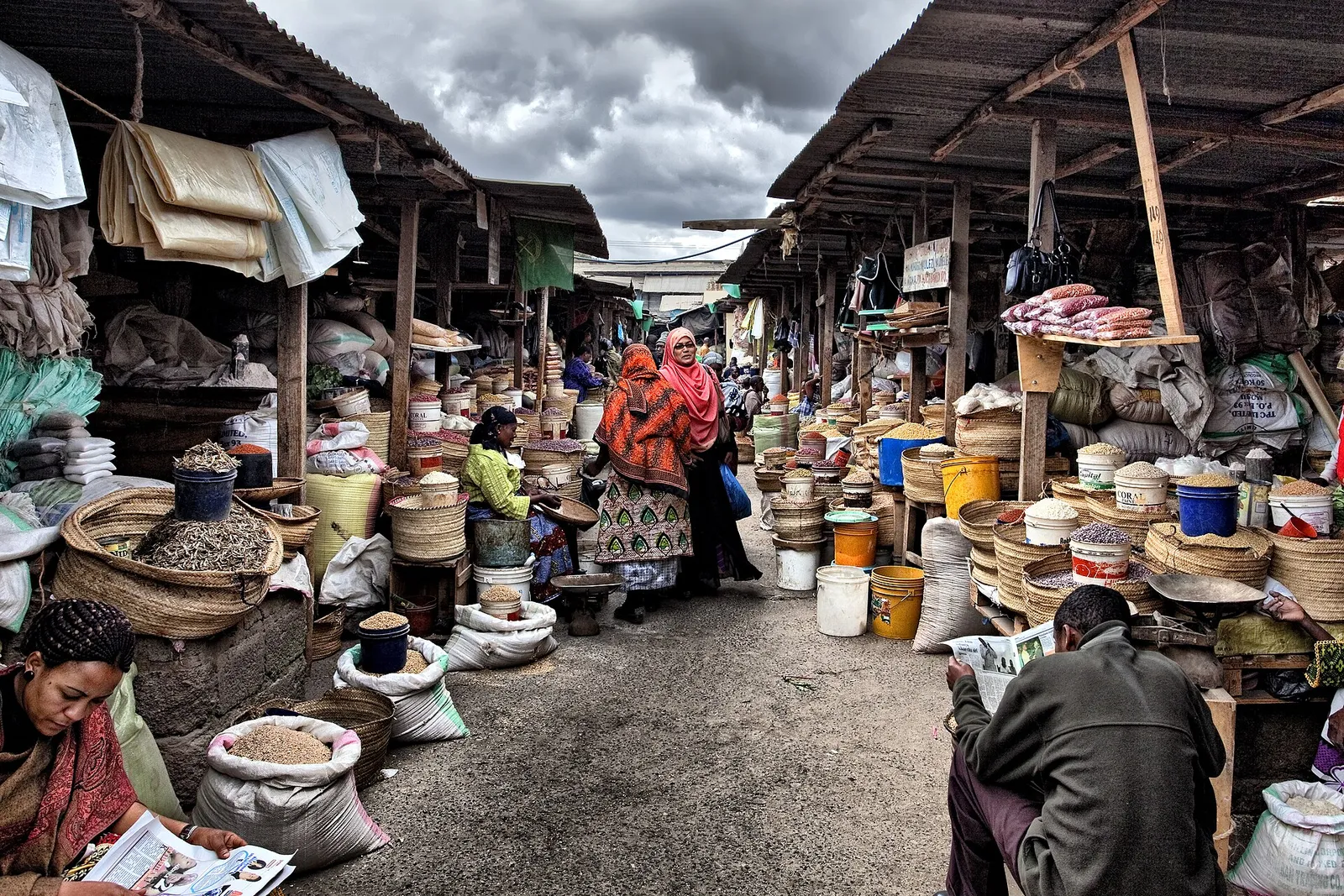
The central market is a maze of stalls selling fruit, vegetables, spices, fabric and household goods. It is noisy, colourful and a good place to see the city at work. For souvenirs, the curio shops and craft markets around town sell carvings, paintings, beadwork and kitenge fabric.
The Arusha Declaration Museum tells the story of the 1967 declaration in which President Julius Nyerere set out his vision for independent Tanzania. The Natural History Museum is housed in the old German fort, the boma, and covers the region’s wildlife and early human history. Arusha is also the headquarters of the East African Community.
Tanzanite, a blue-violet gemstone, is mined in only one place in the world: the hills near Arusha. You will find it in jewellery shops all over the city; buy only from reputable dealers who give you a certificate. Several galleries on the edge of the city show and sell Tanzanian art.
The slopes of Mount Meru around Arusha are covered in coffee farms, many of which welcome visitors for a tour and a tasting. Near Tengeru, east of the city, Lake Duluti is a small crater lake surrounded by forest, good for a walk or a canoe trip and for birdwatching.
Arusha has hotels for every taste, from guesthouses in the city to lodges set in coffee farms and gardens on the outskirts, many with views of Mount Meru. Most safaris start with a night in or near Arusha after you land. When we plan your trip, we suggest places that suit your budget and include them in your itinerary.
Thanks to its altitude, Arusha is pleasantly mild for most of the year. From June to August the mornings and evenings are cool, so bring a fleece or a warm jacket. The dry seasons run from June to October and from late December to February; the long rains fall from March to May and the short rains in November and early December.
Most visitors fly into Kilimanjaro International Airport (JRO), about an hour’s drive east of Arusha. Arusha Airport (ARK), on the western edge of the city, handles domestic flights, including flights to Zanzibar, Dar es Salaam and the airstrips in the national parks. We can meet you at either airport.
Arusha is on East Africa Time (UTC+3) all year.
1–10 daysPrivate safaris to Tarangire, the Ngorongoro Crater, the Serengeti and more, planned around you.
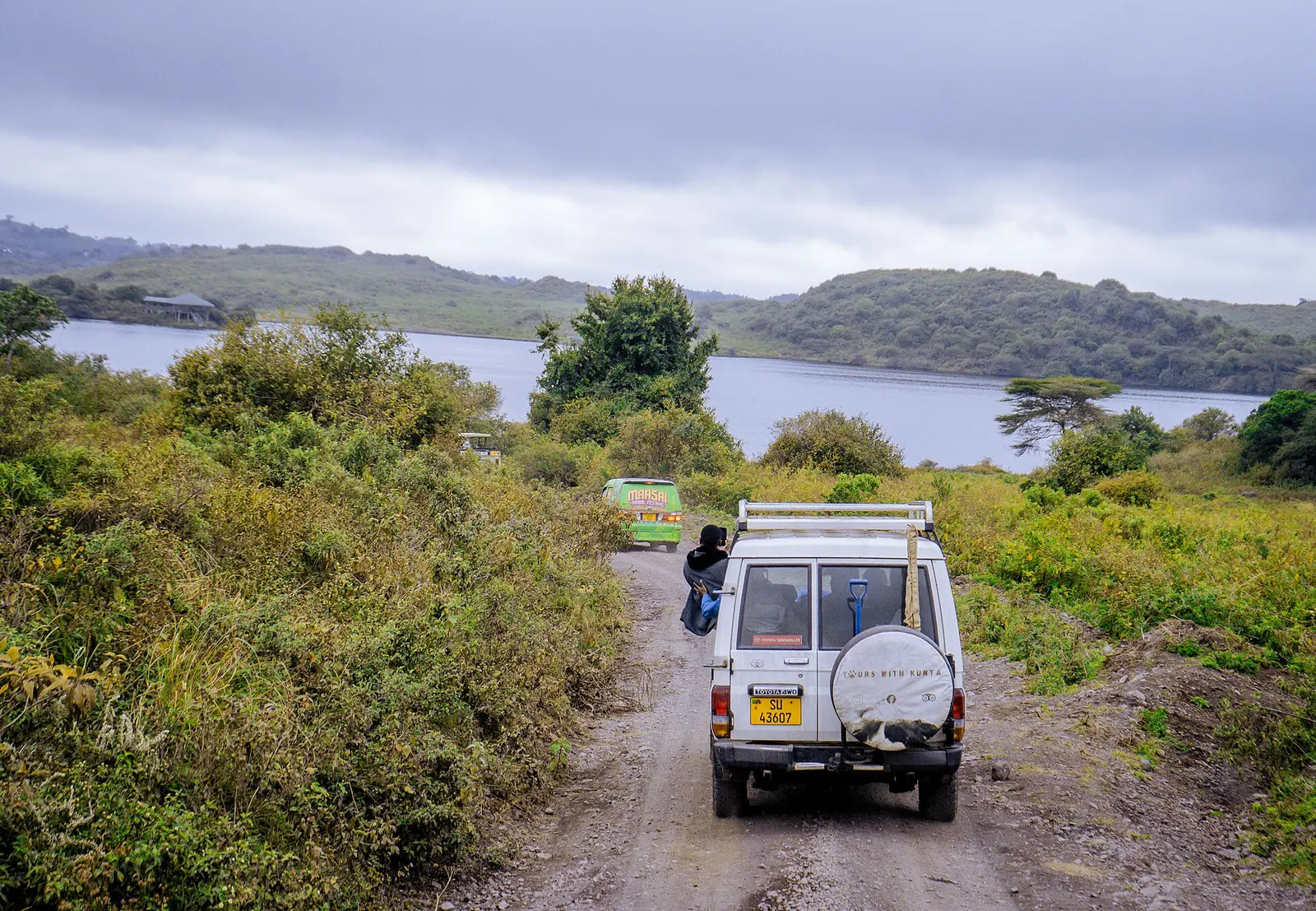 1 day
Giraffes, buffaloes, colobus monkeys and the Momella lakes, with a walking safari, less than an hour from the city.
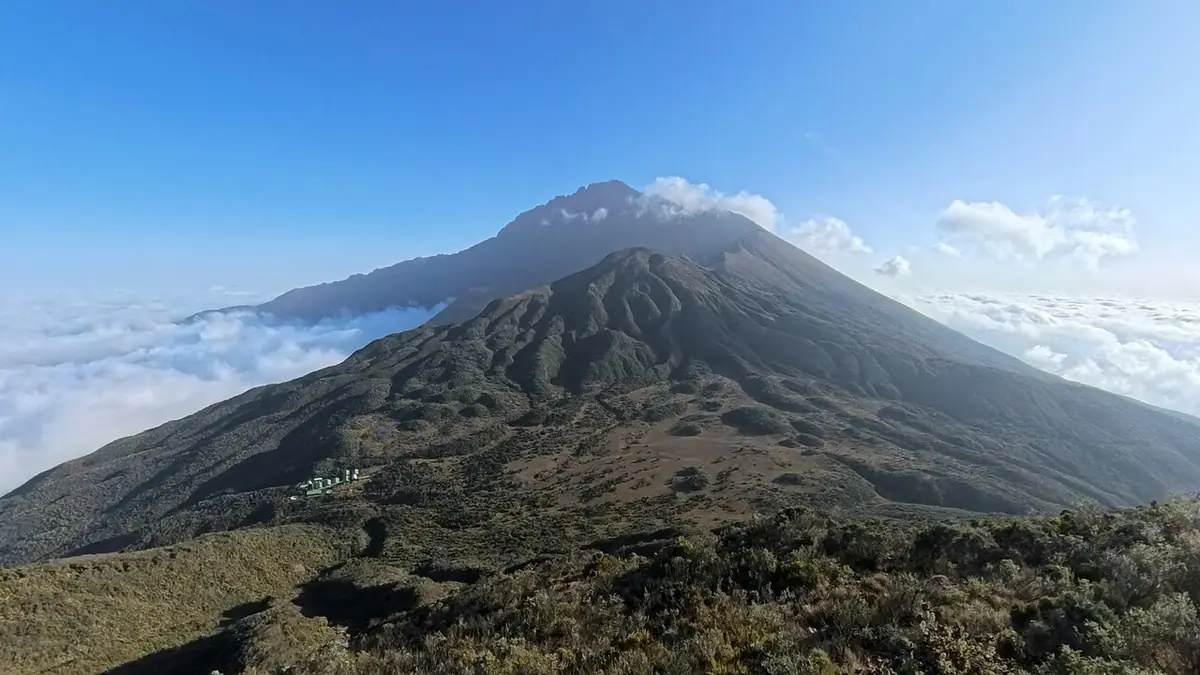 3–4 days
Tanzania’s second-highest mountain, with wildlife on the lower slopes and a spectacular crater rim.
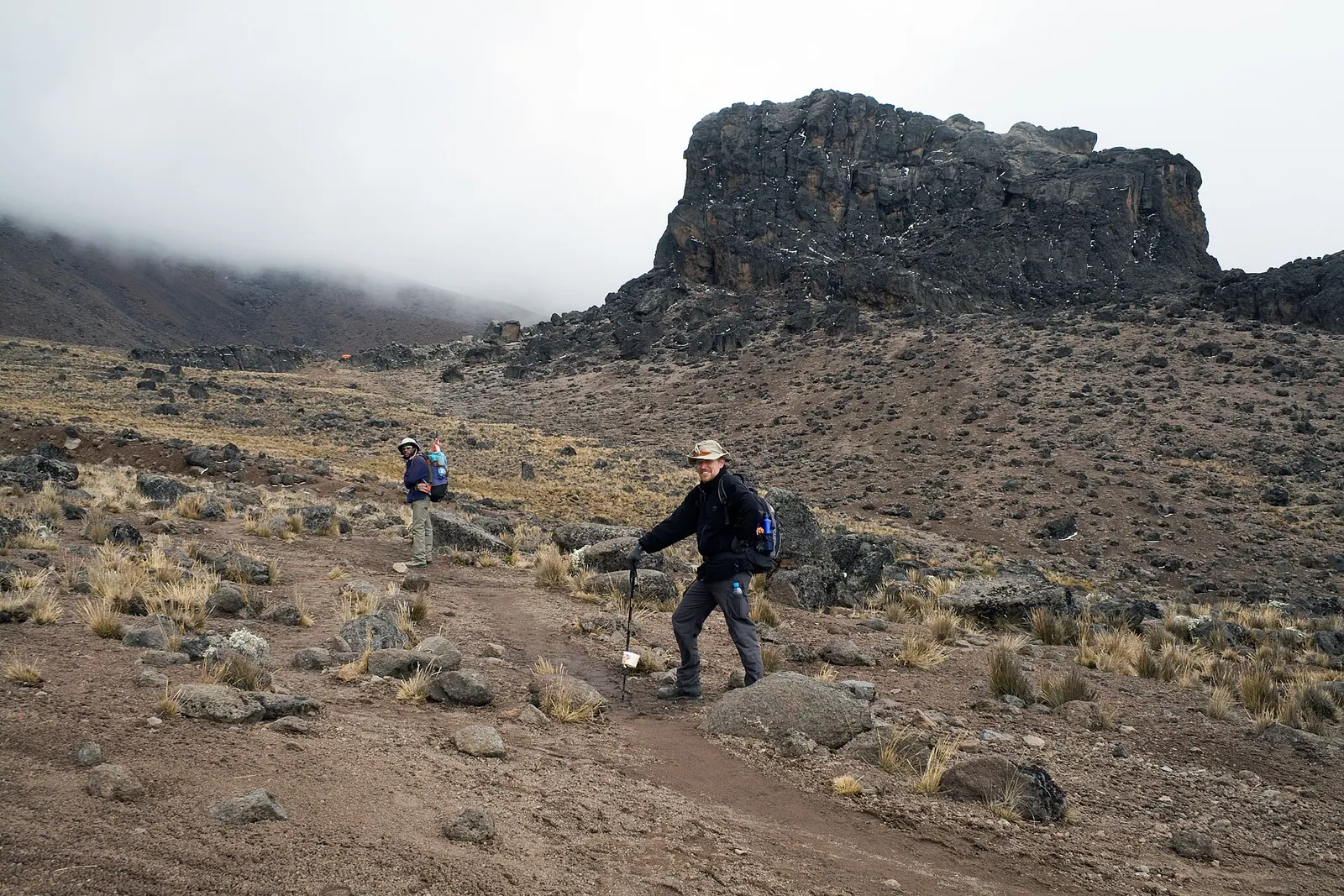 5–10 days
Private climbs on all the main routes to Uhuru Peak, the highest point in Africa.
Tell us your dates and what you would like to see, and we will plan your safari, climb or day trips from Arusha.
Photos from Wikimedia Commons, used under the licences named.