

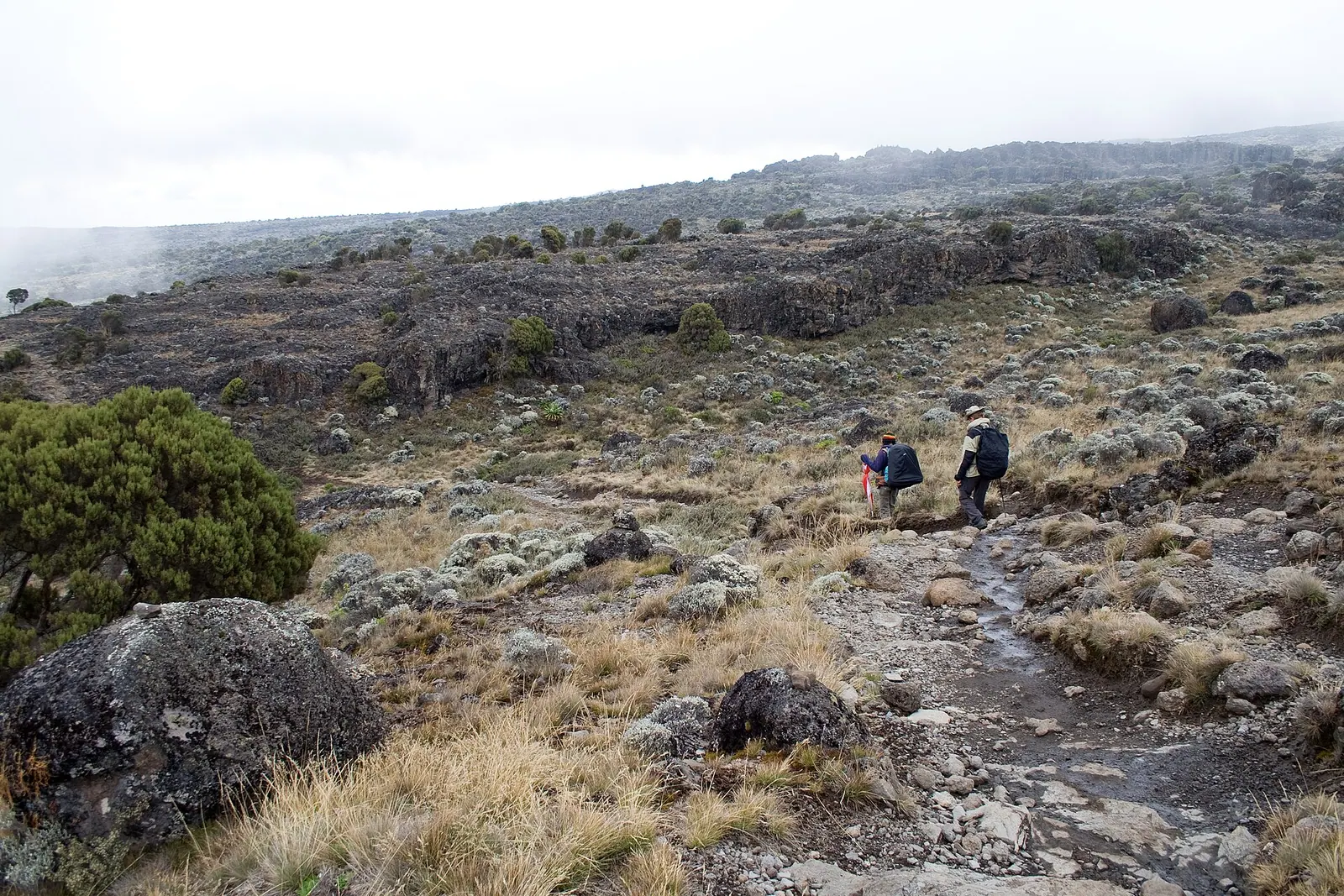
 7–8 days
Lemosho Route
Moderate
Begins in the quiet western rainforest and crosses the wide Shira Plateau: beautiful, uncrowded and good for acclimatization.
From $1,814 per personView route
Photo: Stig Nygaard, CC BY 2.0
There are several ways to climb Mount Kilimanjaro, and each route approaches the mountain from a different side, with its own pace, scenery and degree of solitude. Picking the right route is one of the biggest decisions in planning your climb, because it shapes your acclimatization, your chances of reaching the summit and your whole experience on the mountain.
Kilimanjaro’s main routes are Lemosho (Shira), Machame, Marangu, Umbwe, Rongai and the Northern Circuit. Some are longer and quieter and allow better acclimatization, while others are shorter and more direct. This guide explains how the routes compare, what each itinerary involves and which options usually make for the safest and most enjoyable climb.
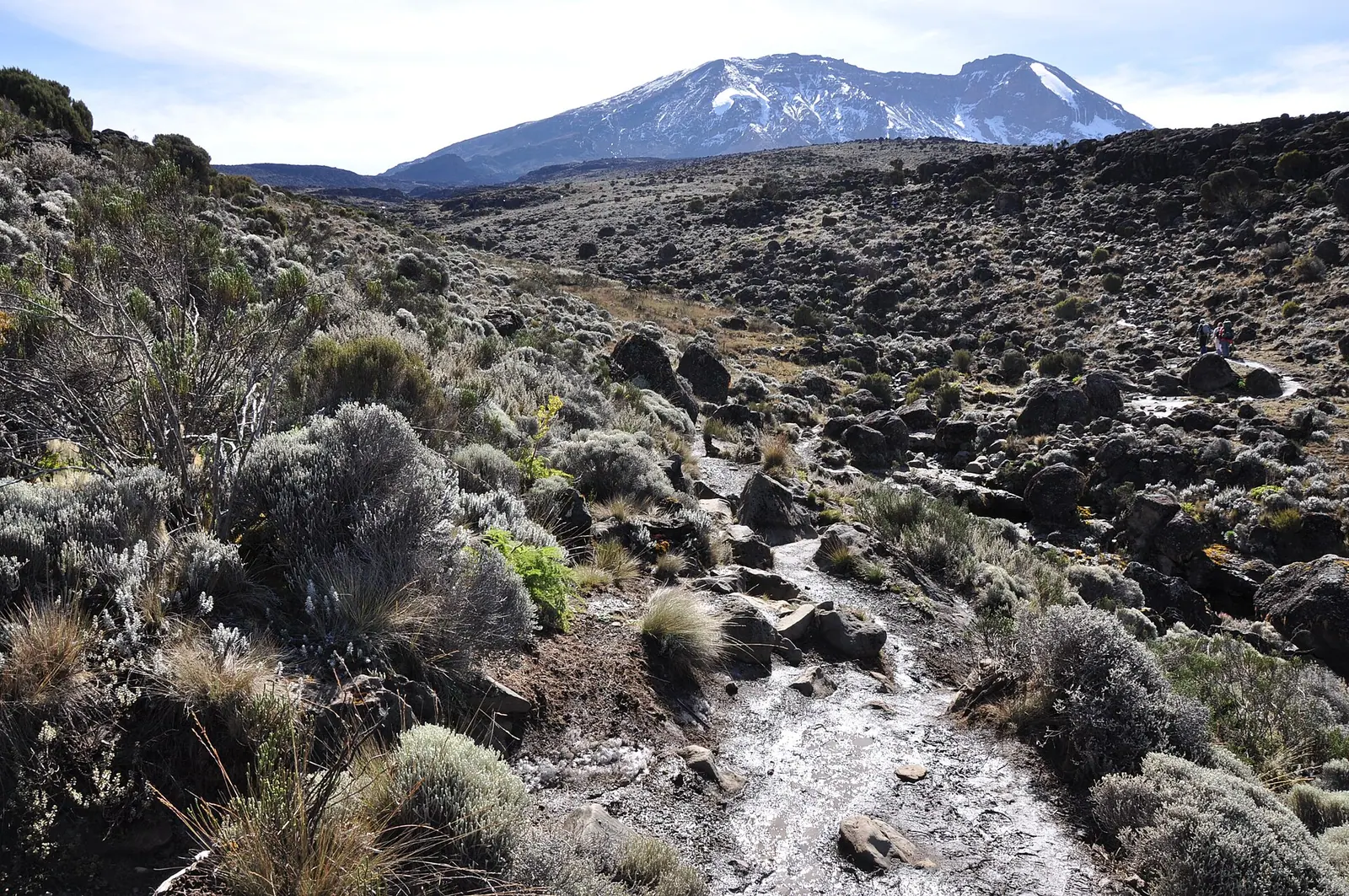
7–8 daysModerate
Begins in the quiet western rainforest and crosses the wide Shira Plateau: beautiful, uncrowded and good for acclimatization.
Photo: Stig Nygaard, CC BY 2.0
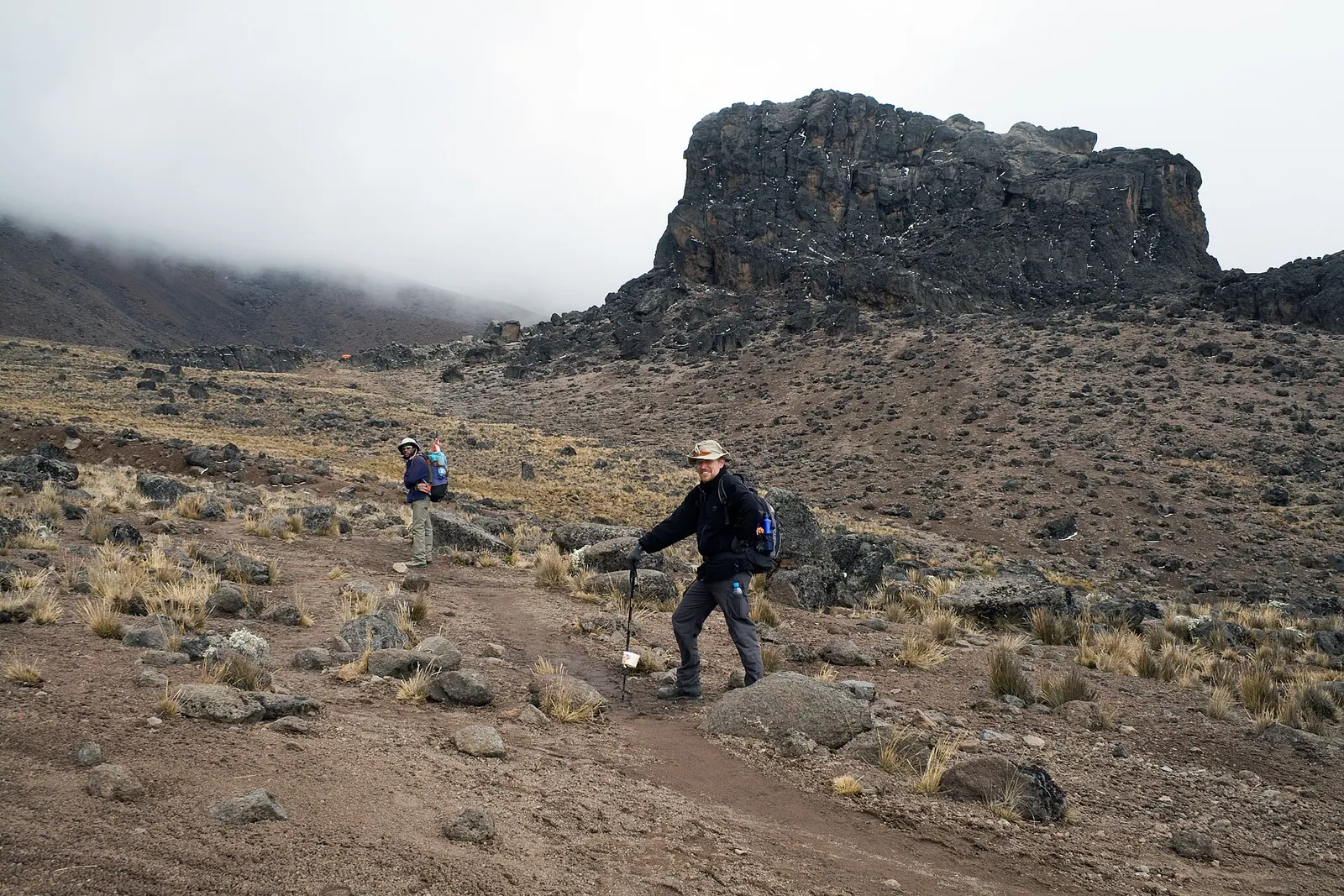 6–7 days
Challenging
The popular “Whiskey” route through forest and moorland, past the Lava Tower and up the Barranco Wall.
Photo: Stig Nygaard, CC BY 2.0
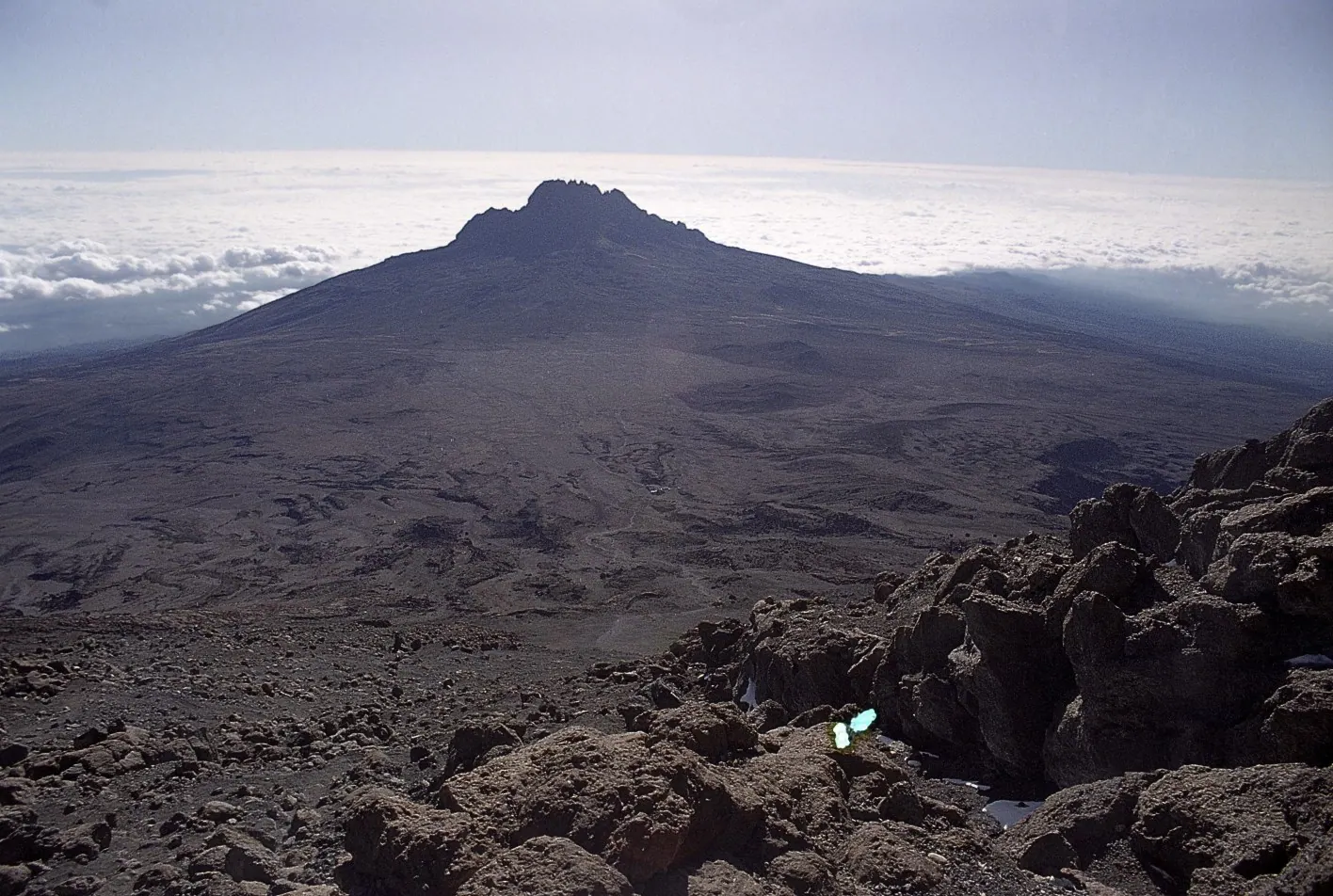 6–7 days
Moderate
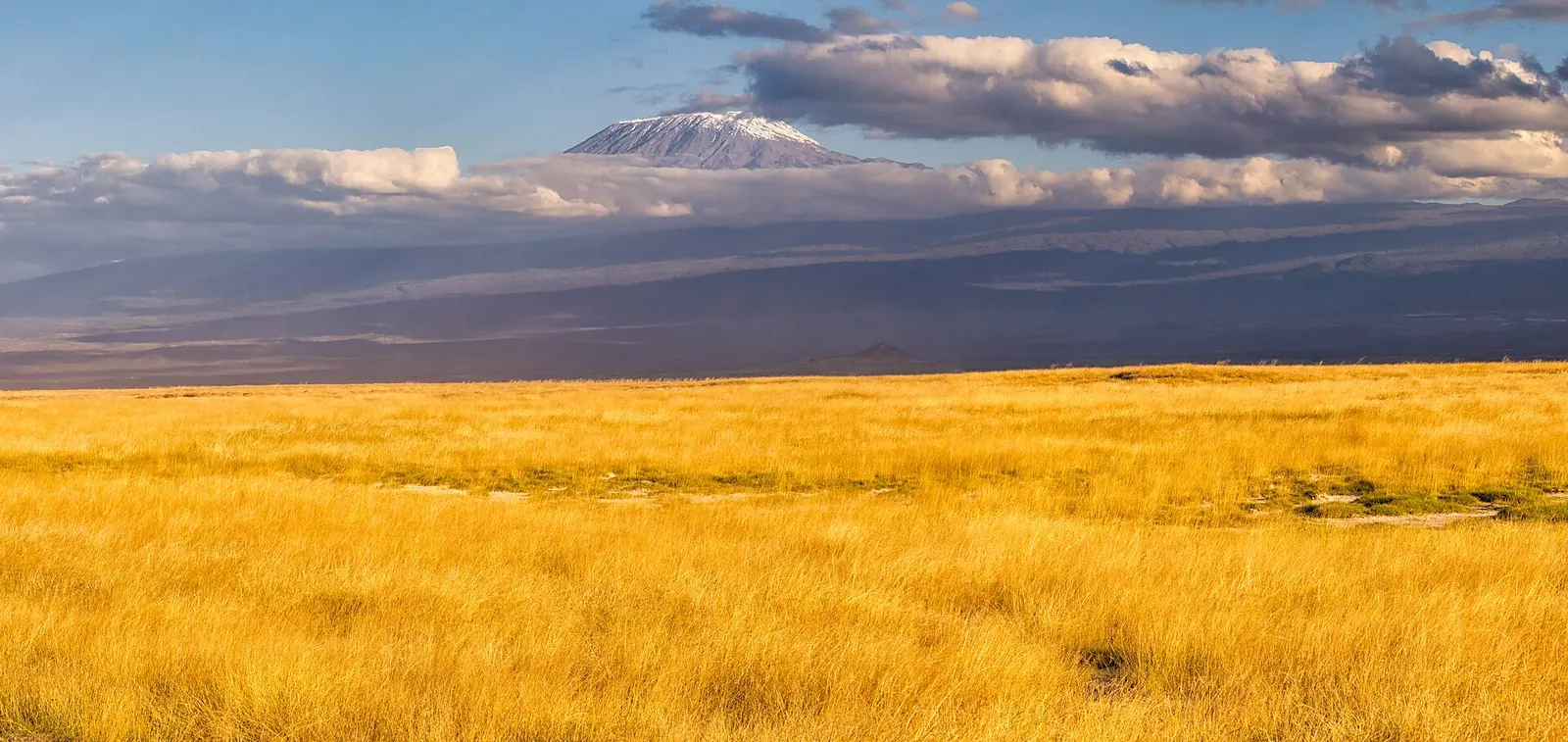
The only route from the north, near the Kenyan border: drier, quieter and a good choice in the rainy season.
Photo: Bbb, CC BY-SA 3.0
 8–9 days
Moderate
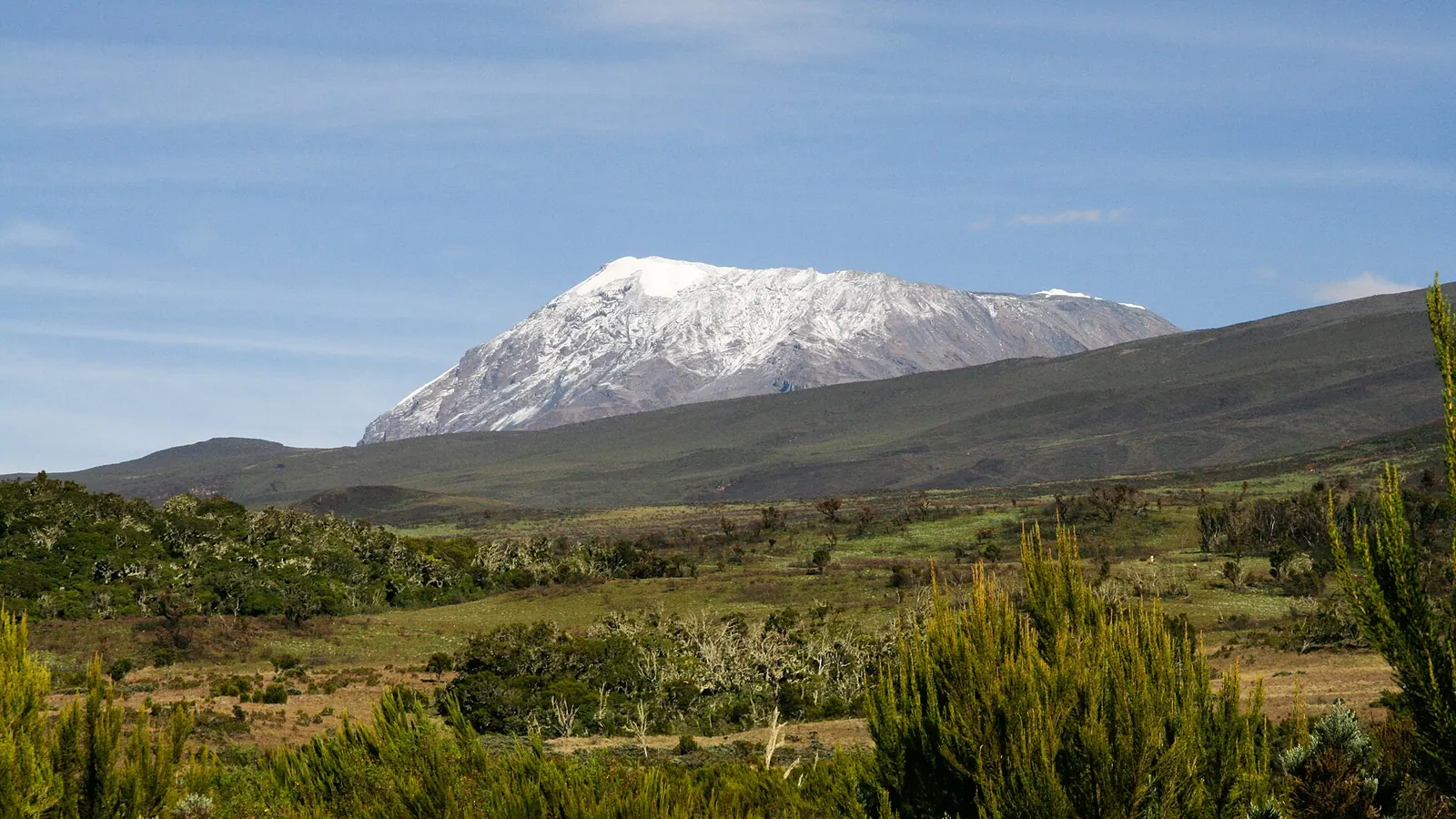
The longest route, circling the quiet northern slopes for the best acclimatization and summit chances.
Photo: Ray in Manila, CC BY 2.0
 5–6 days
Moderate
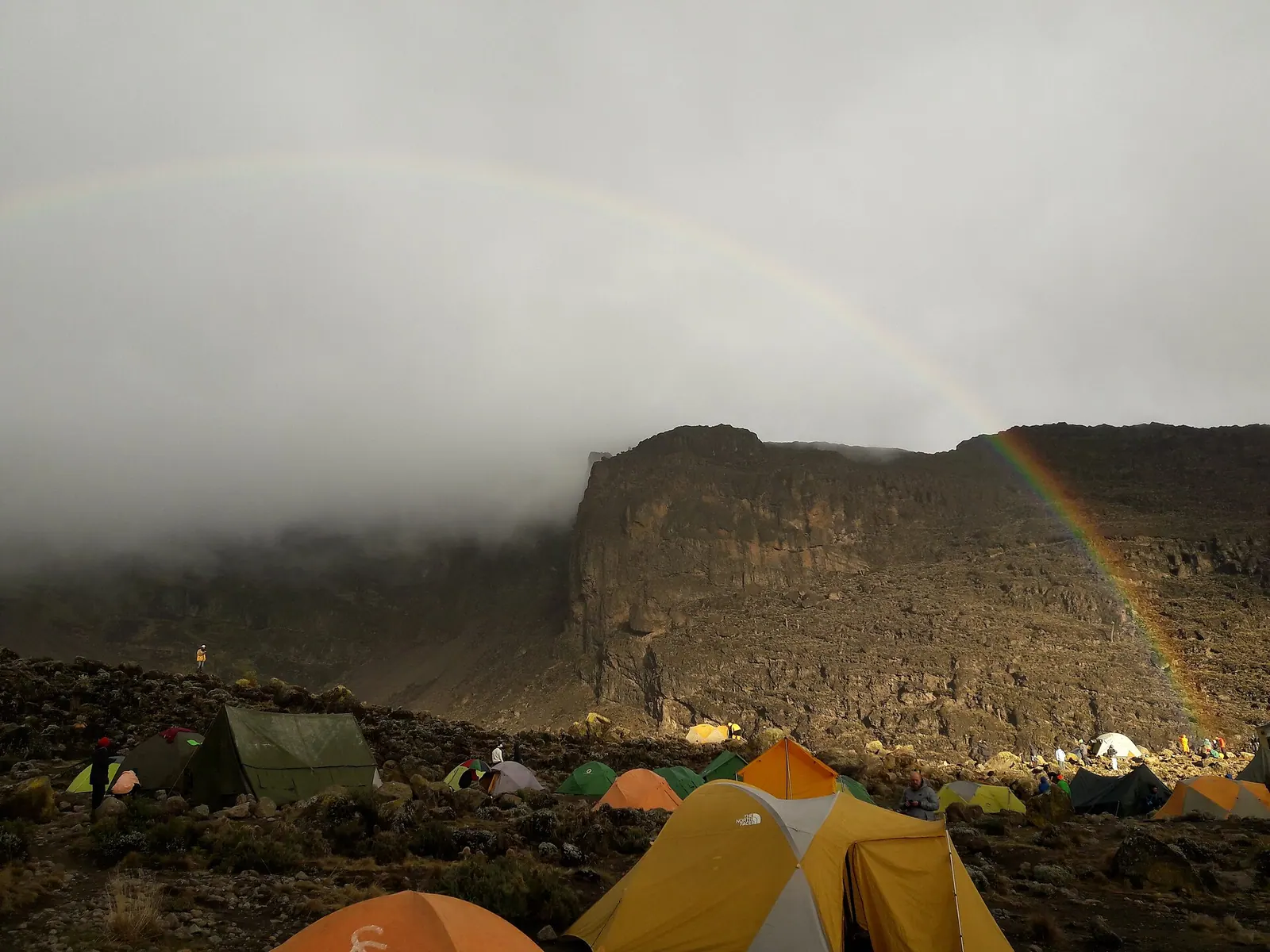
The classic route with huts instead of tents, going up and down the same trail from the south-east.
Photo: Christoph Strässler, CC BY-SA 2.0
 6–7 days
Demanding
The steepest and most direct way up the southern slopes, for fit trekkers who want a challenge.
Photo: KpokeJlJla, CC BY-SA 4.0
 10 days
Challenging
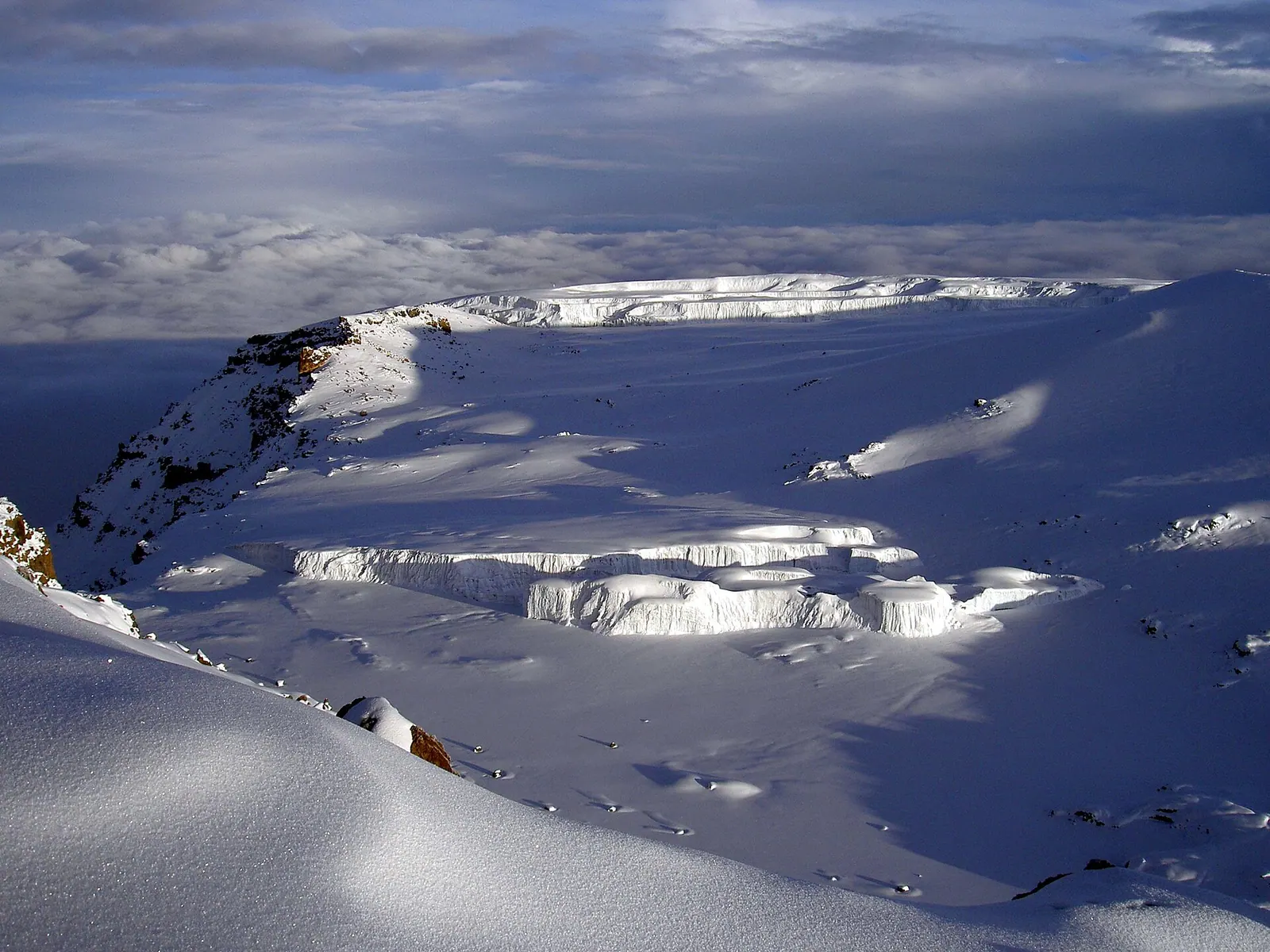
The Northern Circuit with a night at Crater Camp, beside the glaciers just below the summit.
Photo: Chris 73, CC BY-SA 3.0
Each route comes with a choice of itineraries. More days on the mountain do not make the walking harder; they give your body more time to get used to the thin air, which is what decides most climbs. The table below sums up how the routes differ, and you will find the full day-by-day plan, a price and the answers to common questions on each route’s page.
| Route | Days | Difficulty | You sleep in | Best for |
|---|---|---|---|---|
| Lemosho Route | 7–8 days | Moderate | Tents | Scenery and acclimatization |
| Machame Route | 6–7 days | Challenging | Tents | Variety and big views |
| Rongai Route | 6–7 days | Moderate | Tents | Quiet trails, the rainy season |
| Northern Circuit Route | 8–9 days | Moderate | Tents | Solitude and the most time to acclimatize |
| Marangu Route | 5–6 days | Moderate | Mountain huts | Sleeping in huts |
| Umbwe Route | 6–7 days | Demanding | Tents | Fit, experienced hikers |
| Northern Circuit via Crater Camp | 10 days | Challenging | Tents, one night in the crater | A night in the summit crater |
Altitude, not steep ground, is the real challenge on Kilimanjaro. If you can, choose an itinerary of seven days or more: Lemosho, Machame with an extra day, Rongai or the Northern Circuit. If you only have five or six days, tell us, and we will suggest the itinerary that gives you the best chance in the time you have.
The southern and western routes (Lemosho, Machame and Umbwe) have the most varied scenery: rainforest, the Shira Plateau, the Lava Tower, the Barranco Wall and views of the southern glaciers. Rongai and the Northern Circuit show you the wild, drier northern side and the views over the plains toward Kenya.
Machame, Lemosho and Marangu are the busiest routes, especially from July to October and around the turn of the year. For quieter trails, choose Rongai or the Northern Circuit, or start on Umbwe or Lemosho, which are quiet for the first days before they join the southern circuit.
Marangu is the only route with huts, where you sleep in bunk beds in shared huts. On every other route you sleep in tents, which our crew carries, sets up and takes down for you.
The driest months are January to early March and June to October. In the rainy seasons, the northern side of the mountain stays drier, which makes Rongai a good choice, and Marangu’s huts keep you out of the rain.
For most first-time climbers we recommend Lemosho or Machame: both are beautiful and acclimatize well, especially with seven days or more. Rongai is a good, quieter alternative with gentle gradients.
No route is easy, because every one of them goes to 5,895 metres. Routes with gentle gradients and more days, such as Rongai and Lemosho, feel easiest for most people. Marangu has the gentlest path, but its short itinerary makes acclimatization harder, so we recommend the 6-day version.
Umbwe is the steepest and most direct, and gains height very quickly. It is best for fit hikers who already have experience at altitude.
Rongai and the Northern Circuit see the fewest climbers. The first days of Umbwe and Lemosho are also quiet.
Altitude sickness is the main risk on Kilimanjaro, so the safest climbs are those with enough days to acclimatize and a team that watches the climbers closely. On our climbs, guides carry a first-aid kit and emergency oxygen and keep a close eye on how every climber is doing. Anyone who is unwell goes down.
The Western Breach is a steep shortcut to the crater from the west. It is exposed to rockfall, and after a deadly rockfall in 2006 it was closed for some time. We do not plan climbs on it.
Yes. Our Northern Circuit via Crater Camp climb includes a night at Crater Camp, close to the glaciers just below the summit.
Yes, and many of our guests do. Arusha and Moshi are the starting points for both the mountain and the northern parks, and Zanzibar is a short flight away. See our safaris and Zanzibar holidays.
Our 7-day Rongai climb costs from $1,349 per person, the 6-day Machame from $1,582 and the 7-day Lemosho from $1,814, depending on the size of your group. For the other routes, send us your dates and group size and we will send you a quote.
Tell us how many days you have, how fit you are and when you would like to travel, and we will suggest the route and itinerary that suit you best.
Photos from Wikimedia Commons, used under the licences named.