

 5–10 days
Climb Kilimanjaro
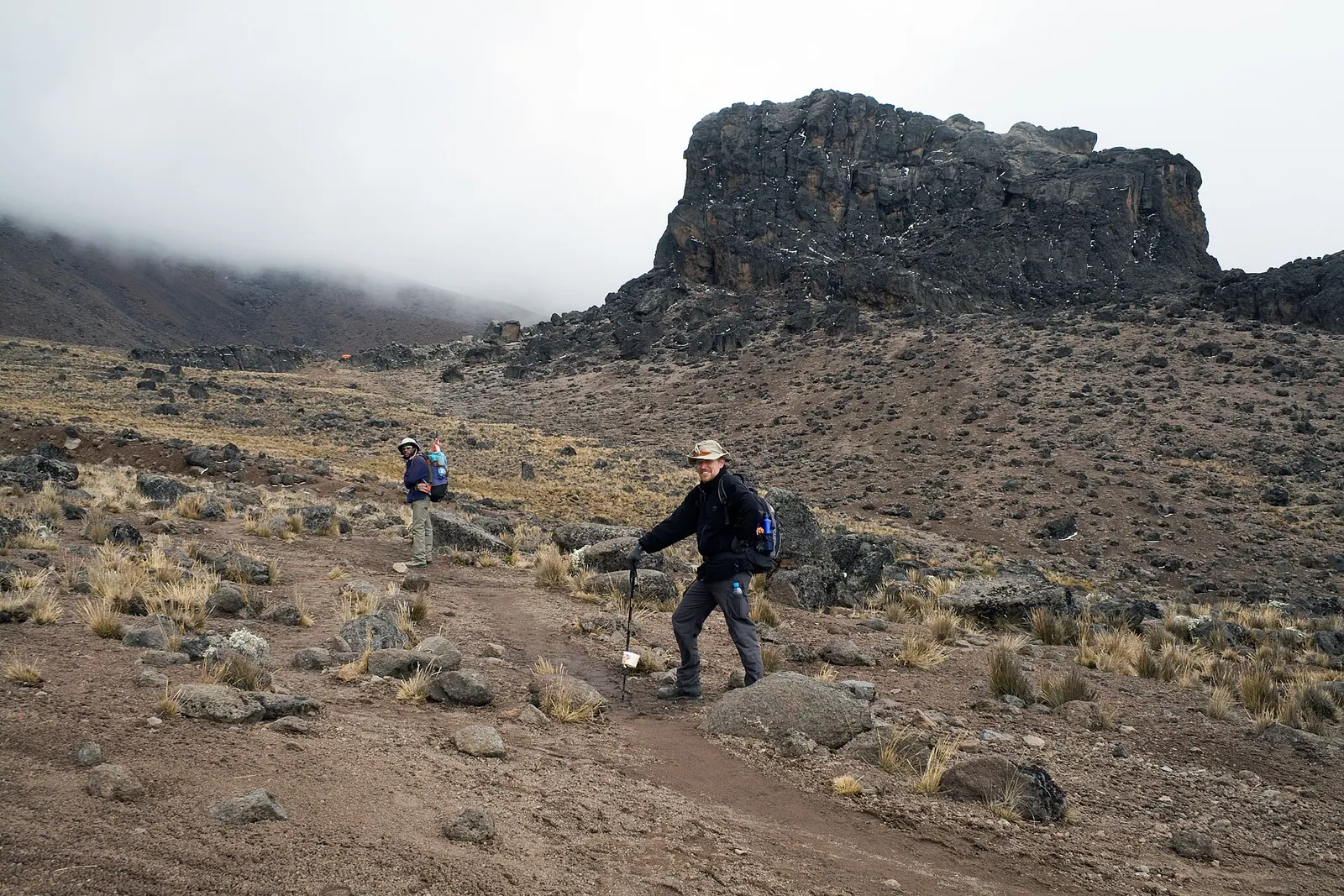
Private climbs on all the main routes to Uhuru Peak, the highest point in Africa.
From $1,349 per personFind out more
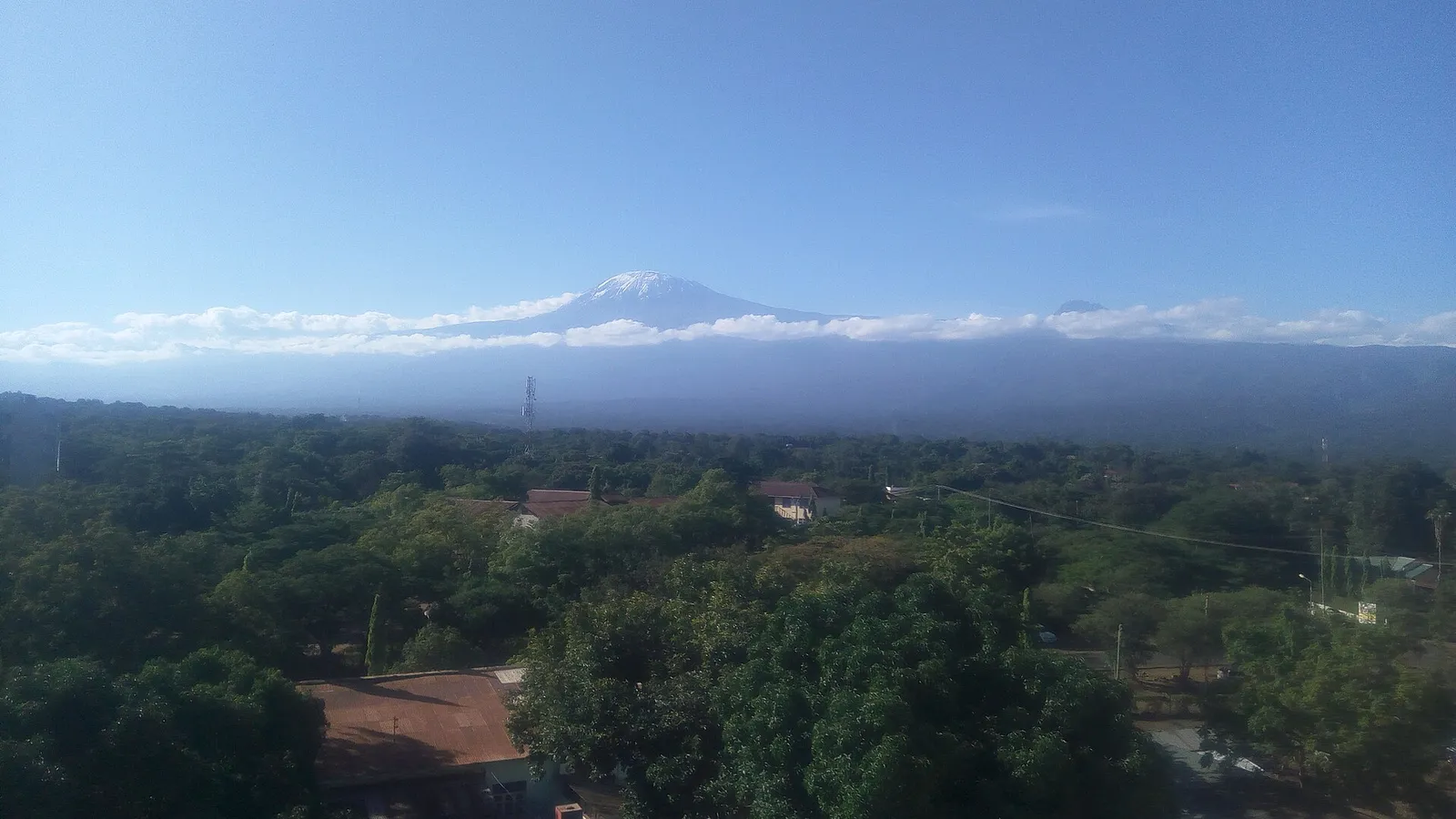
Moshi is the capital of the Kilimanjaro Region: a green, easy-going town of around 200,000 people, spread out below the southern slopes of Africa’s highest mountain. On a clear morning, the snows of Kibo appear above the rooftops, and most visitors arrive here for the same reason: to climb Kilimanjaro, or to rest after they have.
The gates of the Machame, Marangu and Umbwe routes are within about an hour’s drive, so Moshi is where many climbs begin and end. It is also a pleasant place to spend a day or two, with markets, coffee farms, waterfalls and hot springs close by.
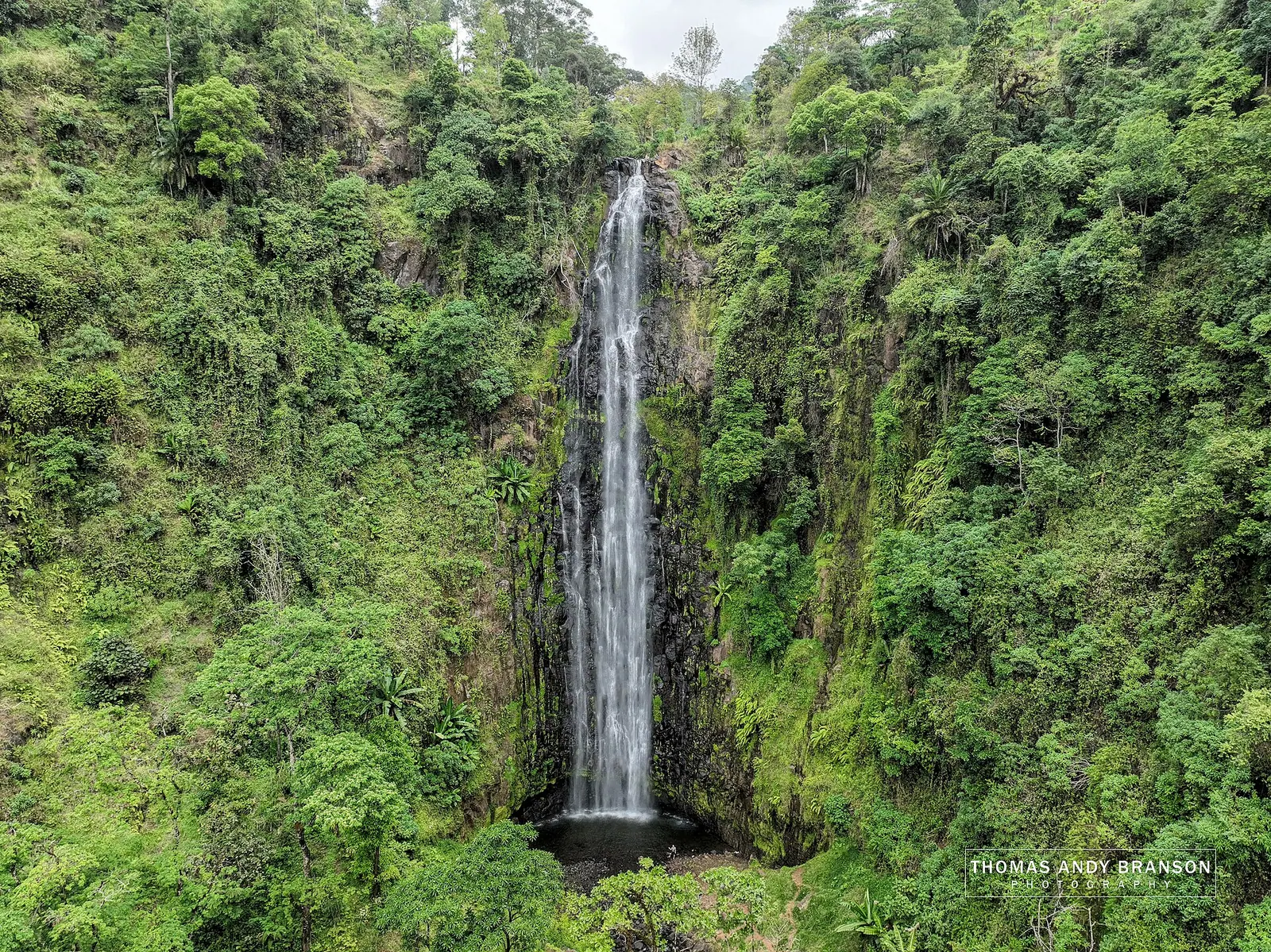
The villages above Moshi have grown coffee for generations. On a coffee tour you walk through the shambas (smallholdings) of the Chagga people, see how the beans are picked, roasted and ground by hand, and taste a cup at the end. Our Materuni day trip combines a coffee farm with a walk to a waterfall in the forest.
Within an hour or two of town are the Materuni waterfalls, the clear turquoise pools of the Chemka hot springs, and Lake Chala, a deep crater lake on the border with Kenya. Each makes a relaxing day out before or after a climb.
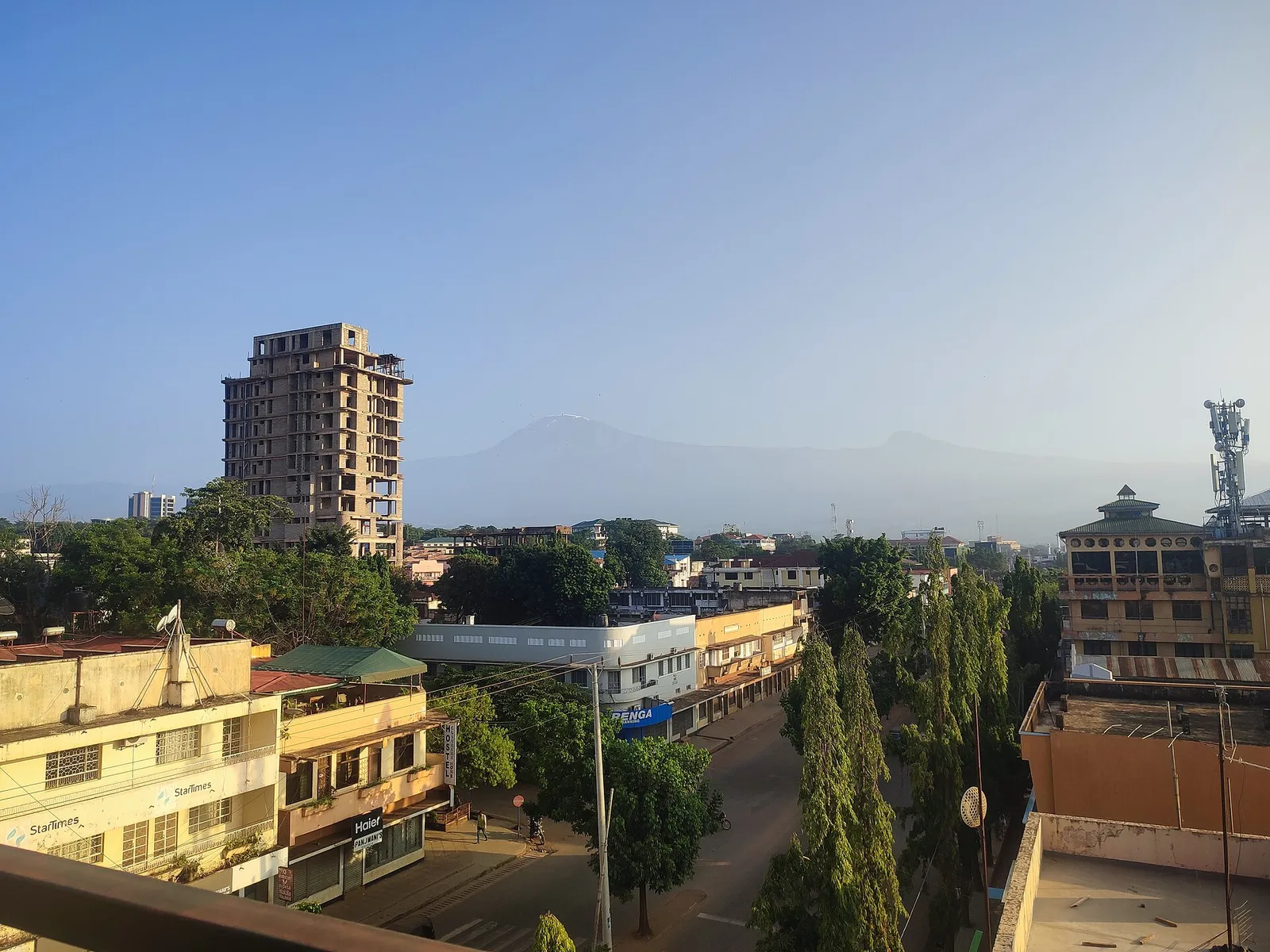
Moshi’s central market is the place to see daily life: stalls of bananas, avocados, spices and fabric, with buses and motorbike taxis coming and going around it. Craft and souvenir shops are spread around the town centre.
The Chagga people have farmed the fertile slopes of Kilimanjaro for centuries, with clever irrigation channels and banana and coffee gardens. In villages such as Marangu you can visit old underground tunnels, built as hiding places during past conflicts, and learn how local beer is brewed from bananas.
Moshi has places to stay for every budget, from simple guesthouses in town to quiet lodges with gardens and pools on the lower slopes of the mountain, some with views of Kibo. When you book a climb or a safari with us, we suggest hotels that suit your plans and your budget and include them in your itinerary.
Moshi lies at about 800 to 900 metres above sea level and is warm all year, with hot afternoons from December to March. The driest months are June to October and January to February, the main climbing seasons. The long rains fall from March to May and the shorter rains in November and early December. The mountain is often hidden in cloud by midday, so the best views of Kilimanjaro are early in the morning.
Kilimanjaro International Airport (JRO), between Moshi and Arusha, is the nearest international airport, around 45 minutes’ drive from town. Arusha is about an hour and a half away by road. We can meet you at the airport and take you to your hotel.
Moshi’s streets have many touts selling cheap climbs and safaris. Their prices can hide missing park fees, poor equipment or crews who are not paid fairly, so it is always best to book with a licensed operator before you arrive.
Moshi, like the rest of Tanzania, is on East Africa Time (UTC+3) all year, with no change for summer time.
5–10 daysPrivate climbs on all the main routes to Uhuru Peak, the highest point in Africa.
 1–10 days
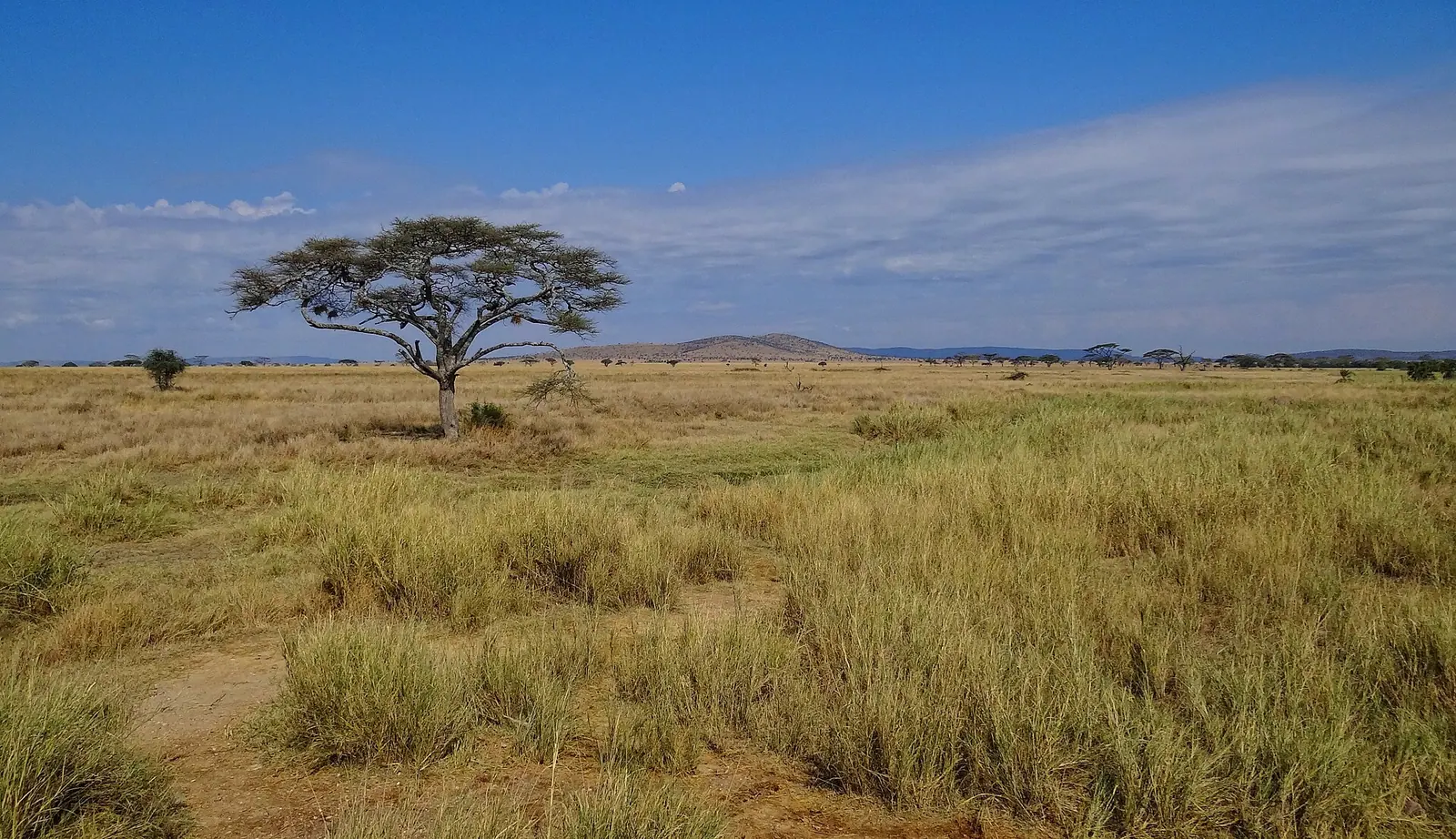
Private safaris to Tarangire, the Ngorongoro Crater, the Serengeti and more, planned around you.
 1 day
A forest walk to a high waterfall and a visit to a family coffee farm on the slopes of Kilimanjaro.
Tell us your dates and what you would like to do, and we will plan your climb, safari or day trips around them.
Photos from Wikimedia Commons, used under the licences named.