
 National park
Serengeti National Park
Northern Tanzania
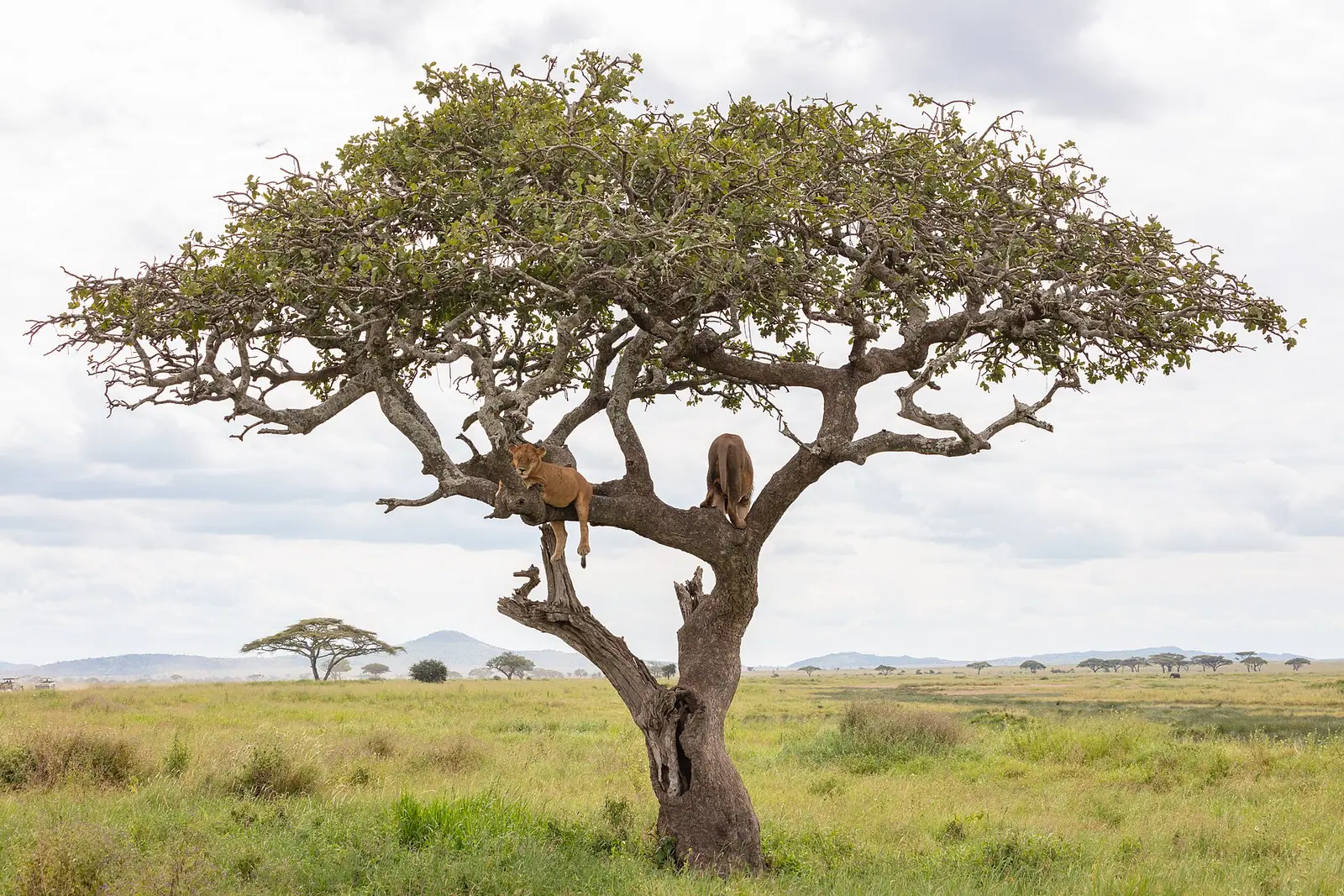
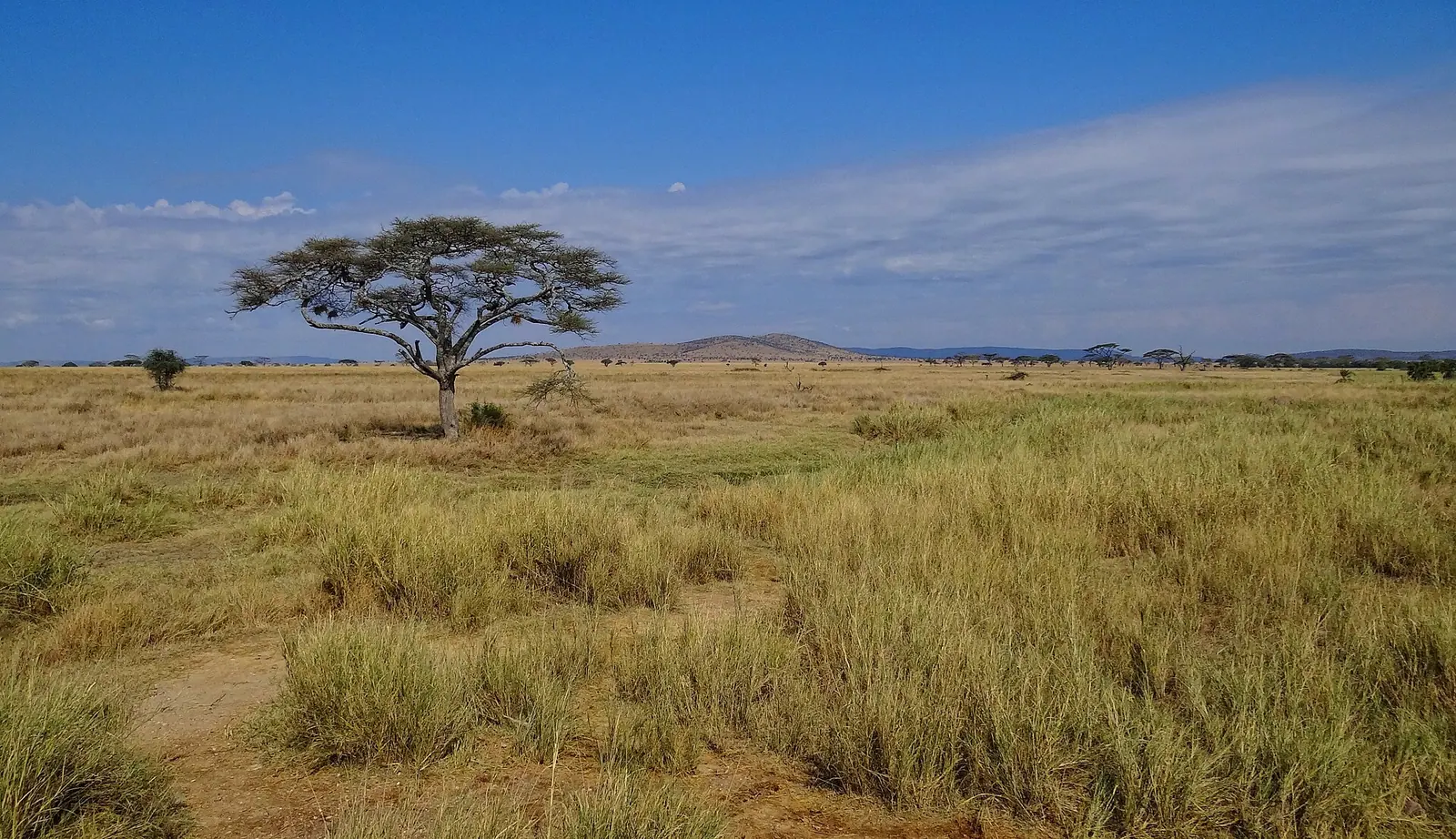
Endless plains, the Big Five and the Great Migration of wildebeest and zebras. A UNESCO World Heritage Site.
Explore the park
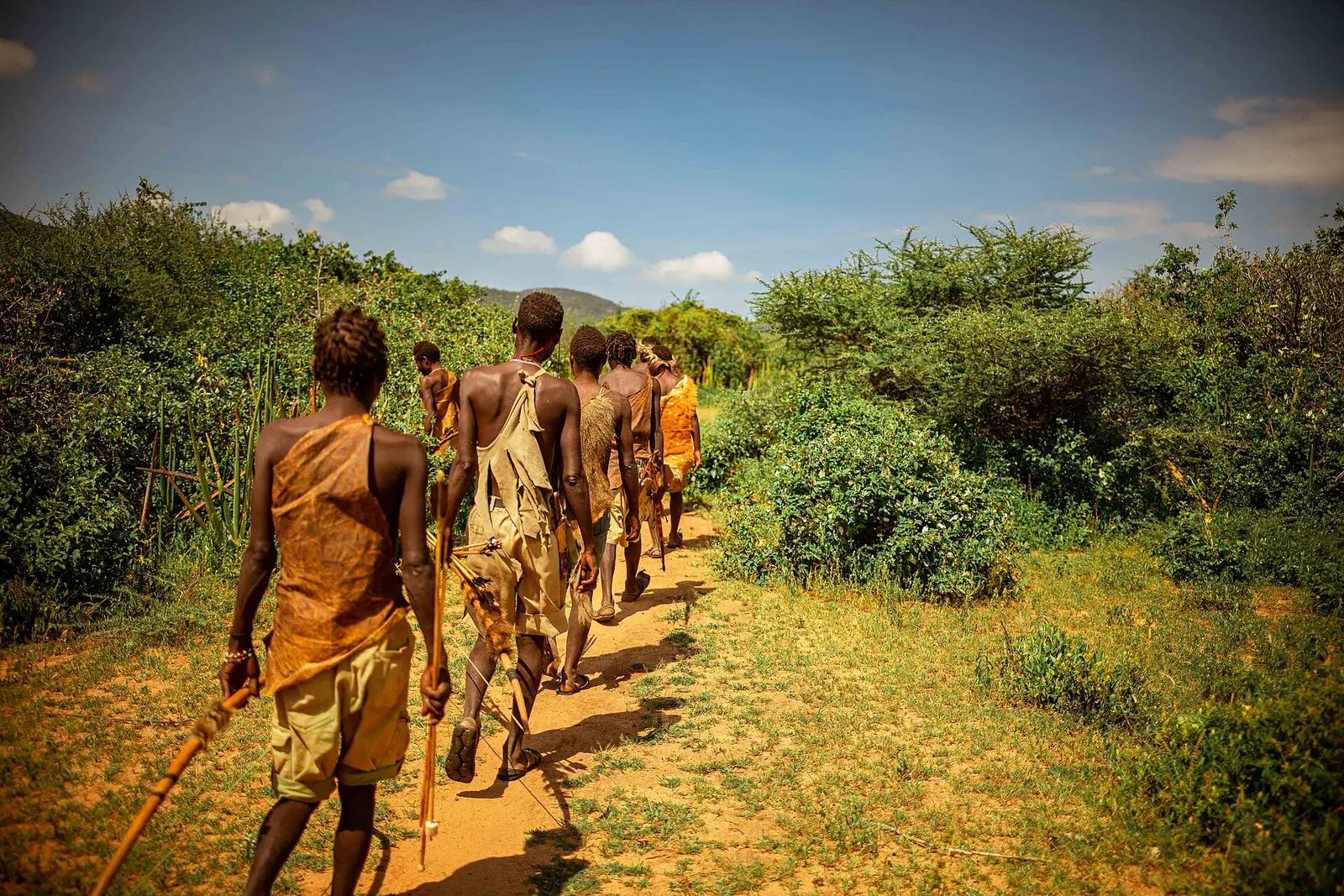
Lake Eyasi is a long, shallow salt lake at the foot of the Eyasi escarpment, south-west of the Ngorongoro highlands. Its water level rises and falls with the seasons, and in dry years it can almost disappear. The lake itself is beautiful, especially at sunrise, but most visitors come to meet the people who live around it.
The Hadzabe, one of the last peoples in Africa who live mainly by hunting and gathering, and the Datoga, cattle herders known for their metalwork, have lived in the area for a very long time.
A visit usually starts before sunrise, when you walk out with a small group of Hadzabe men as they hunt with bows and arrows, and see how the women gather roots, berries and honey. The day continues with fire-making and archery, and conversations through your guide.
Tourism brings income to these communities, but it also changes their lives. We work with local guides who know the families and arrange visits with their agreement, ask before taking photos, and keep groups small.
The Datoga are pastoralists who keep cattle, goats and sheep. Some families are skilled blacksmiths, who melt down scrap metal to make arrowheads, knives and jewellery, often traded with the Hadzabe. A visit to a Datoga homestead shows you their work and daily life.
Depending on the water level, flamingos, pelicans, storks and many other water birds gather along the shore. The area around the village of Mang’ola is green with onion fields, watered by springs from the escarpment.
Lake Eyasi is about an hour and a half from Karatu, on the way to Ngorongoro, so it is easy to add a night to a northern safari. Accommodation is in a small number of lodges and tented camps near the lake.
It can be, if visits are arranged with the community, small in size and respectful. We plan visits with local guides who work with the families directly.
Ask your guide first, and always ask the people you would like to photograph.
Hadzabe hunting trips start around sunrise, so plan for a very early morning.
Tell us when you would like to travel and what you would like to see, and we will send you an itinerary and a price.
National parkNorthern Tanzania
Endless plains, the Big Five and the Great Migration of wildebeest and zebras. A UNESCO World Heritage Site.
 Soda lake
Northern Tanzania
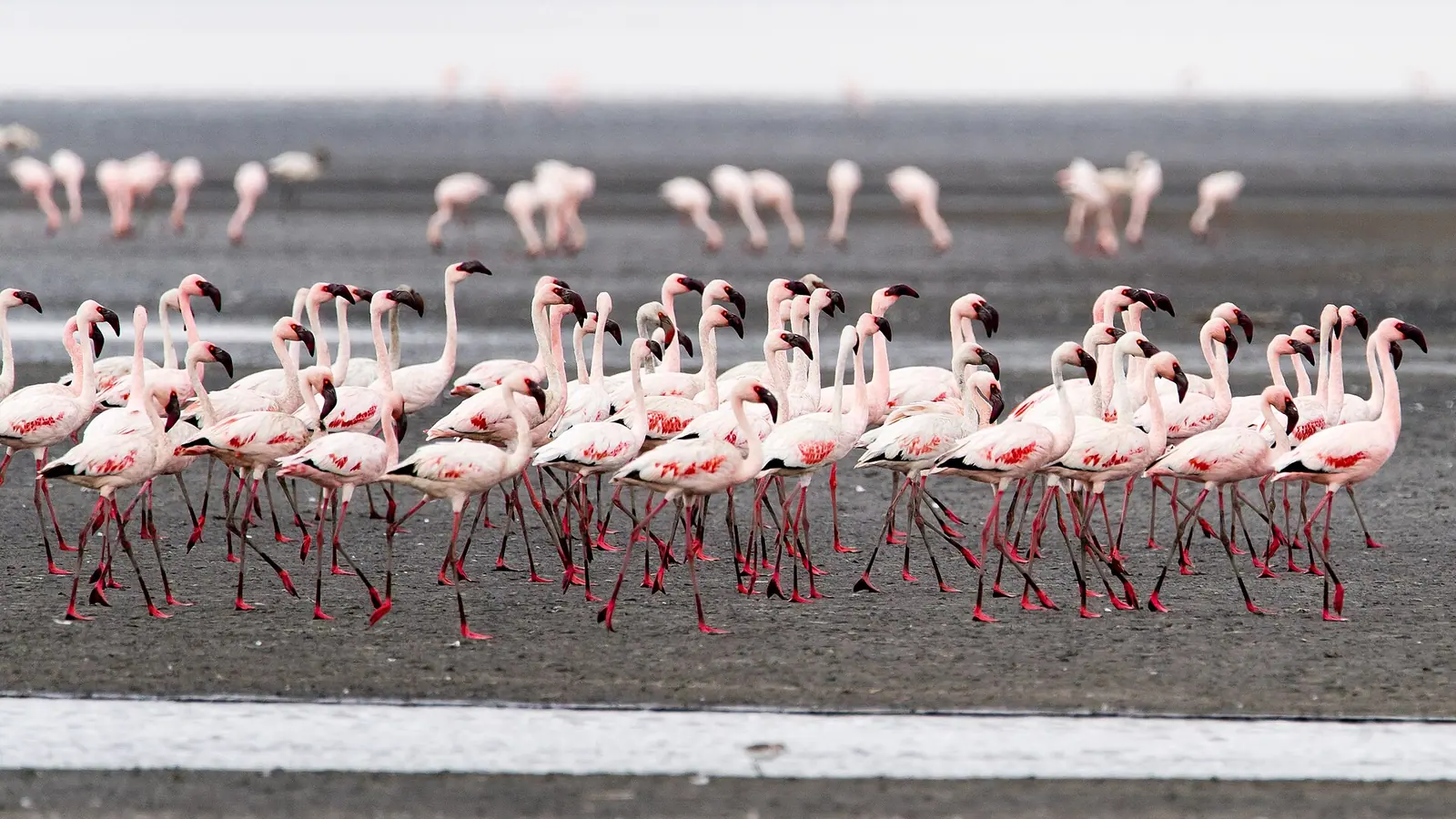
Otherworldly landscapes shaped by an active volcano, and huge flocks of pink flamingos on the soda lake.
 National park
Northern Tanzania
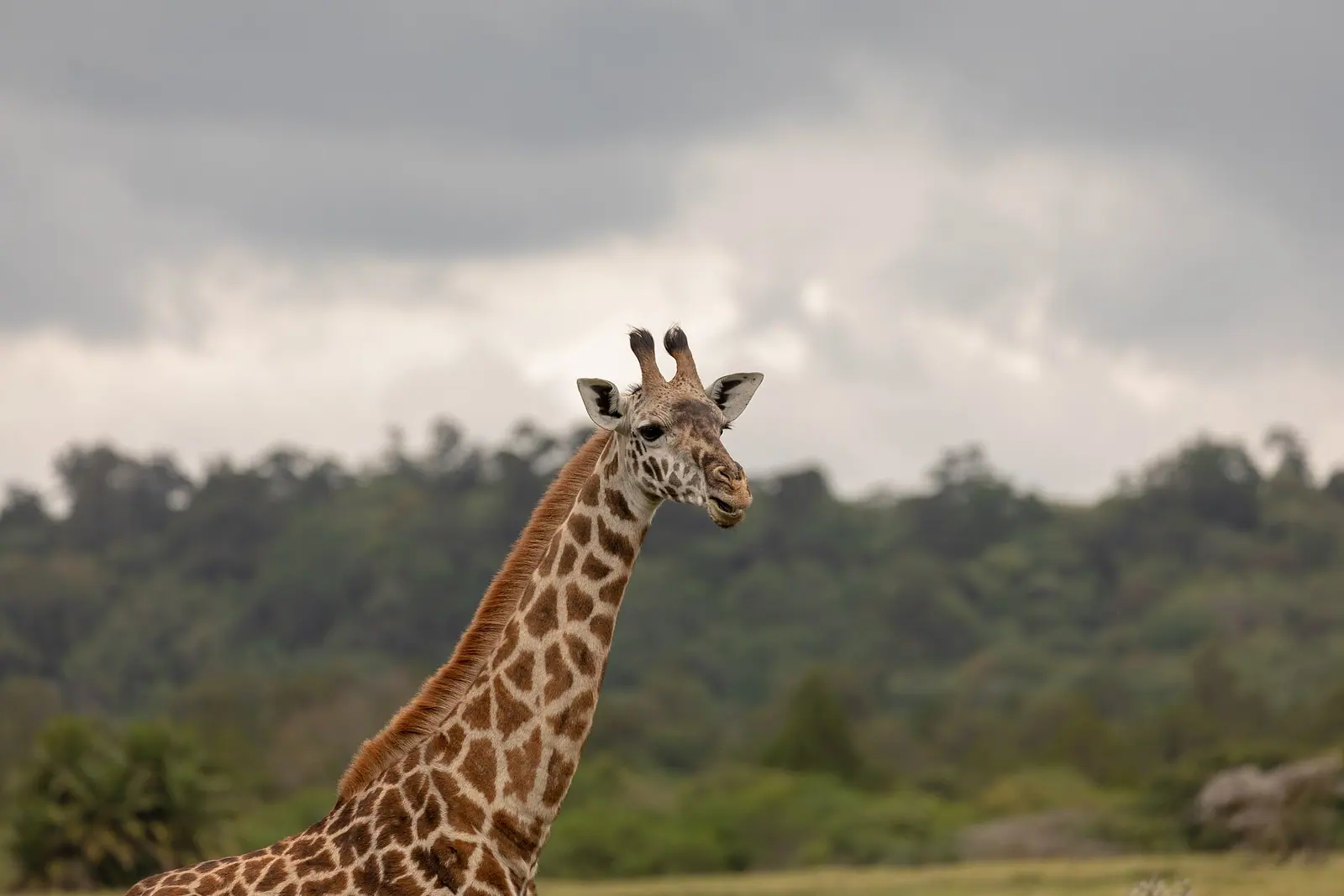
Easy to reach from Arusha town, with guided walks through the montane forest alongside an armed ranger.
 Conservation area
Northern Tanzania
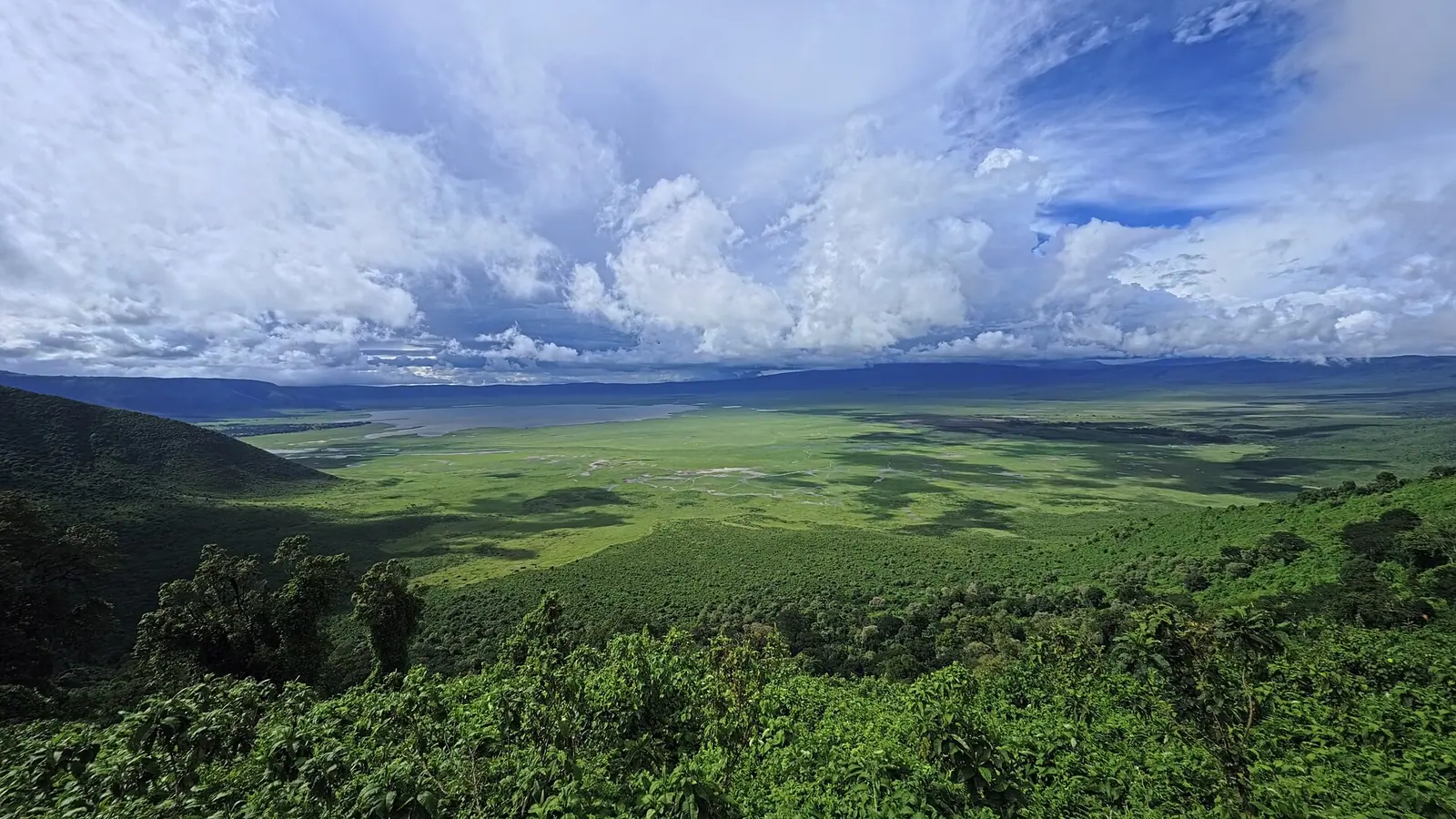
Africa’s greatest concentration of wildlife inside a vast volcanic crater, including rare black rhinos.
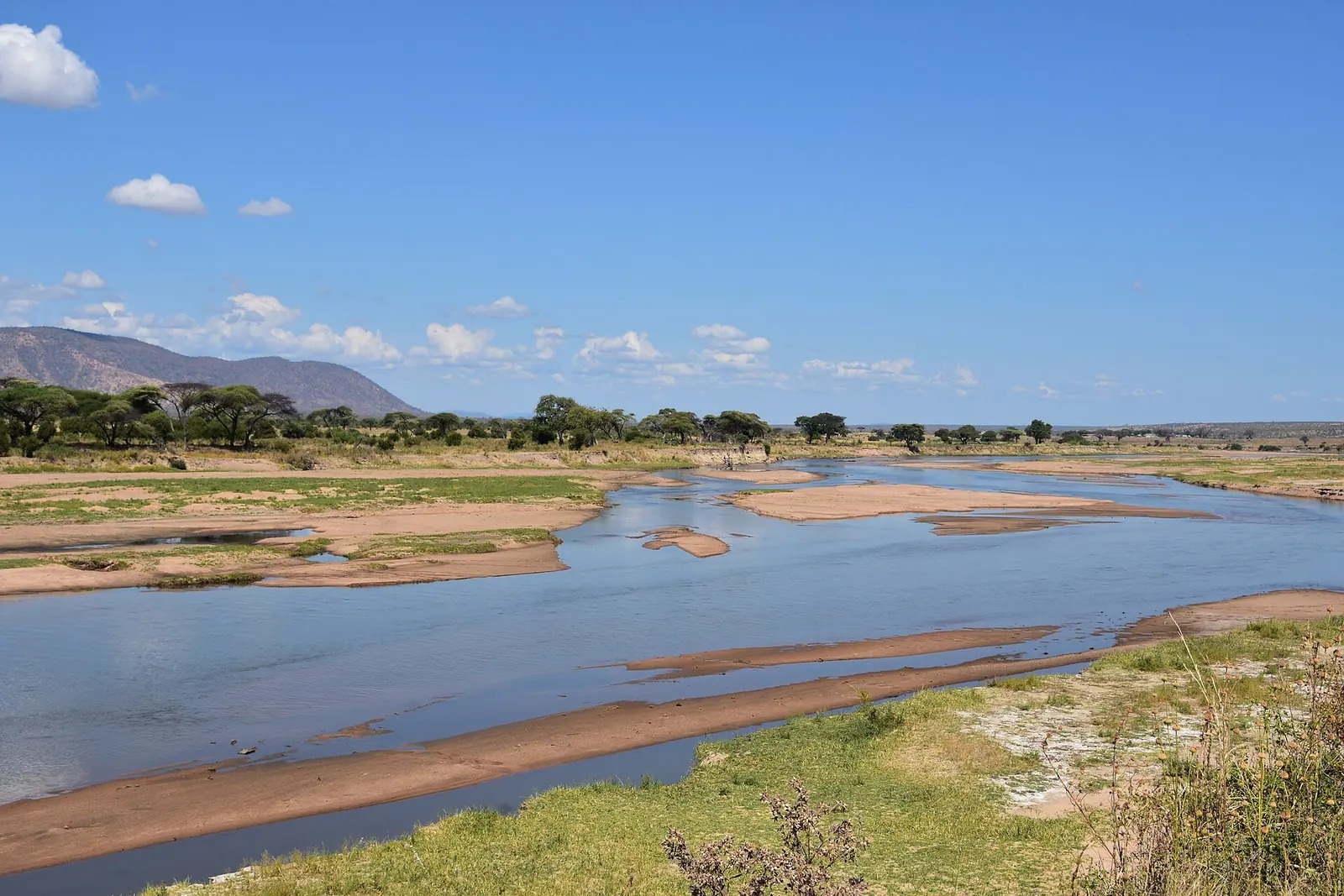 National park
Southern Tanzania
Untouched wilderness where thousands of elephants roam, and hippos and crocodiles fill the Great Ruaha River.
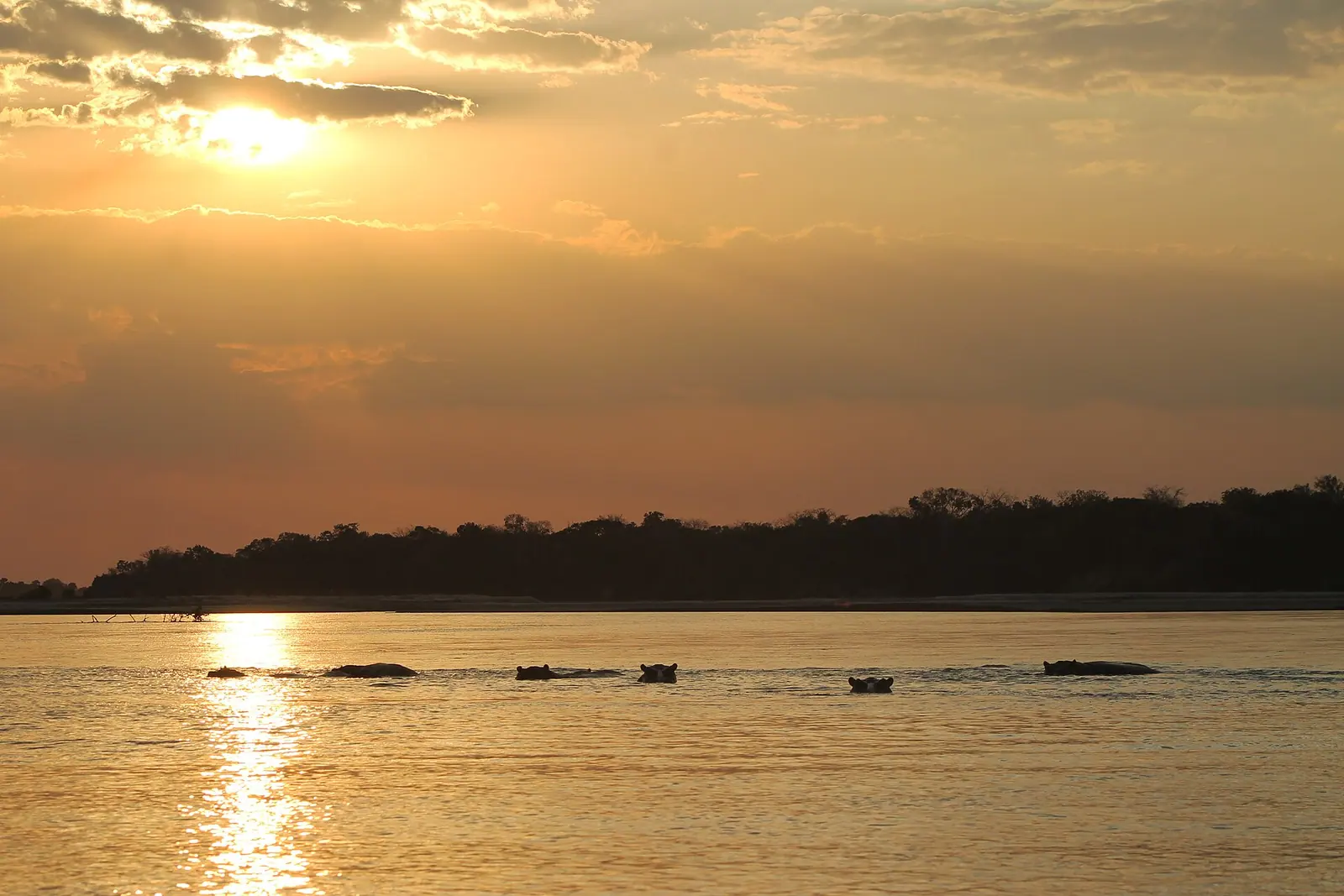 National park
Southern Tanzania
Tanzania’s largest national park, created from the Selous Game Reserve: lions, elephants, leopards and more.
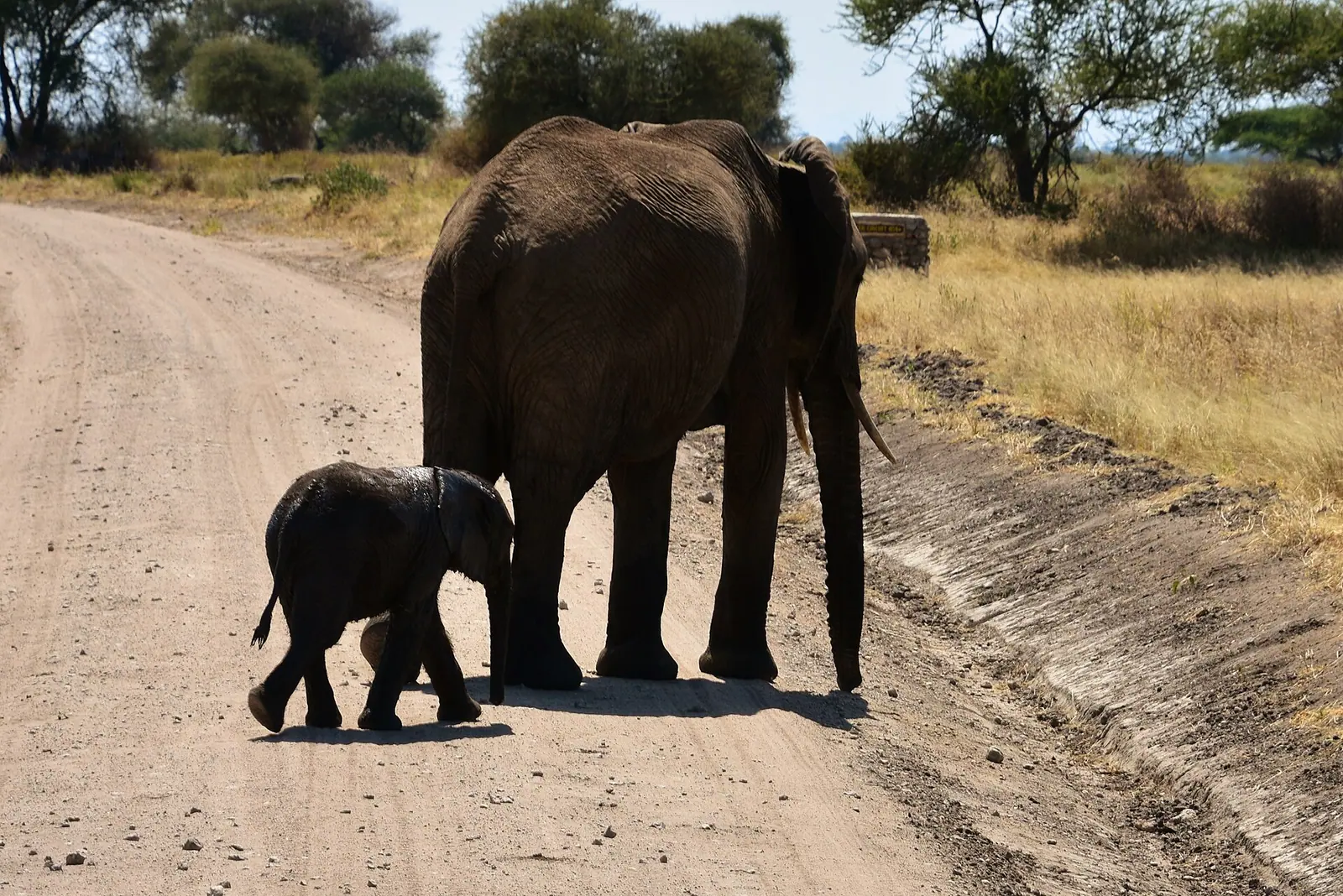 National park
Northern Tanzania
Lions, elephants, majestic baobabs and acacia woodland: the kingdom of the elephants.
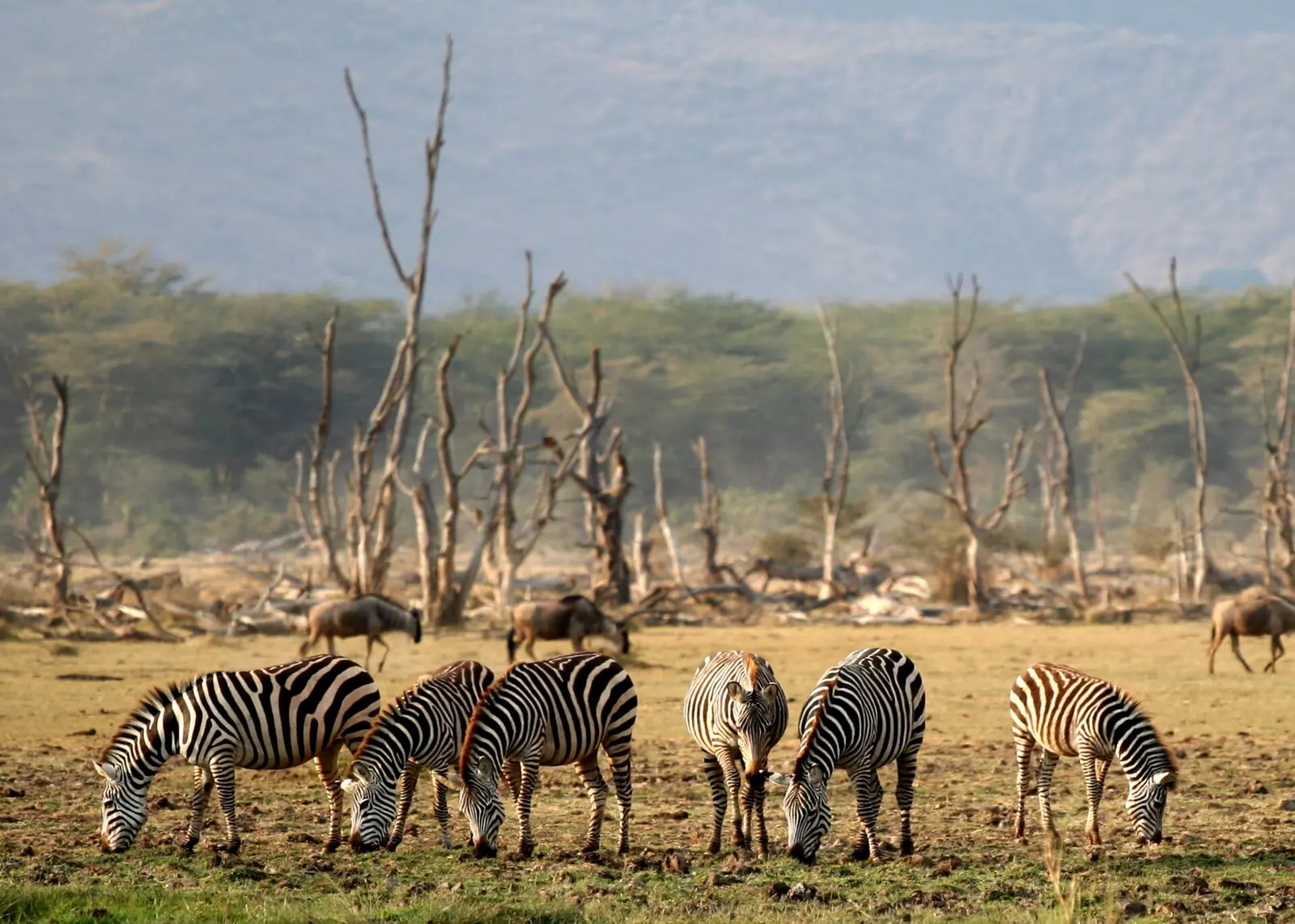 National park
Northern Tanzania
Rainforest at the foot of the Great Rift Valley, with pink flamingos and more than 400 bird species.
 National park
Northern Tanzania
A quiet park on the Kenyan border, with a protected rhino sanctuary and a programme for African wild dogs.
Photos from Wikimedia Commons, used under the licences named.