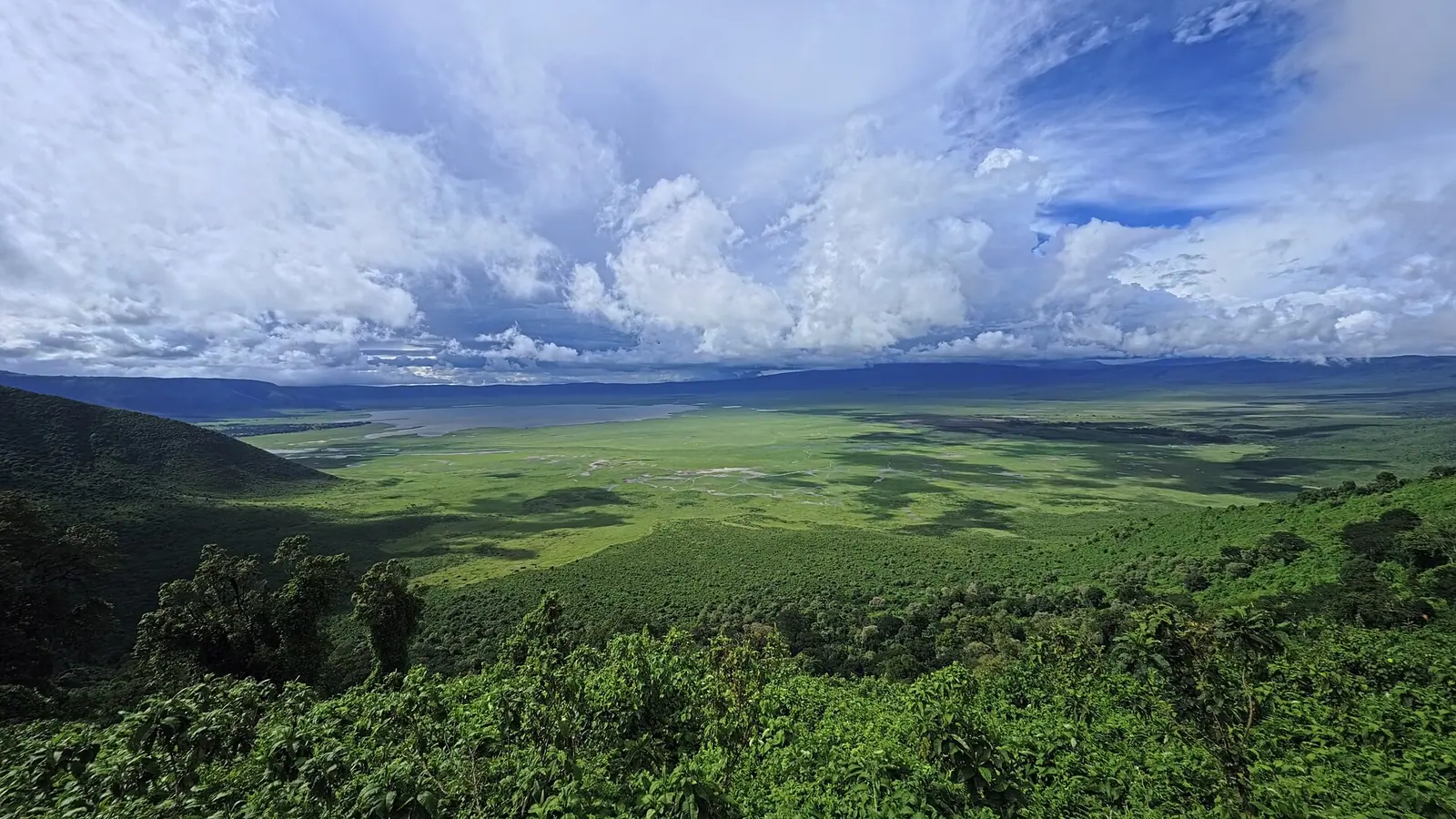
The Ngorongoro Crater is one of the natural wonders of Africa. When a huge volcano collapsed about two to three million years ago, it left a caldera around 20 kilometres across and some 600 metres deep. Today its grassy floor, with a soda lake, swamps and a small forest, is home to thousands of large animals that live there all year.
The crater is the heart of the Ngorongoro Conservation Area, a UNESCO World Heritage Site of more than 8,000 square kilometres where Maasai herders live alongside the wildlife. The area also includes the highland craters of Olmoti and Empakaai, Olduvai Gorge and part of the southern Serengeti plains.
At a glance
Location
Northern Tanzania, between Arusha and the Serengeti
Size
about 8,300 km² (the crater about 260 km²)
Protected since
1959
Famous for
The crater, black rhinos
Best time
All year
Days to plan
1 day in the crater, 2–3 for the highlands
From Arusha
about 3 hours by road
UNESCO
World Heritage Site since 1979
Wildlife in the crater
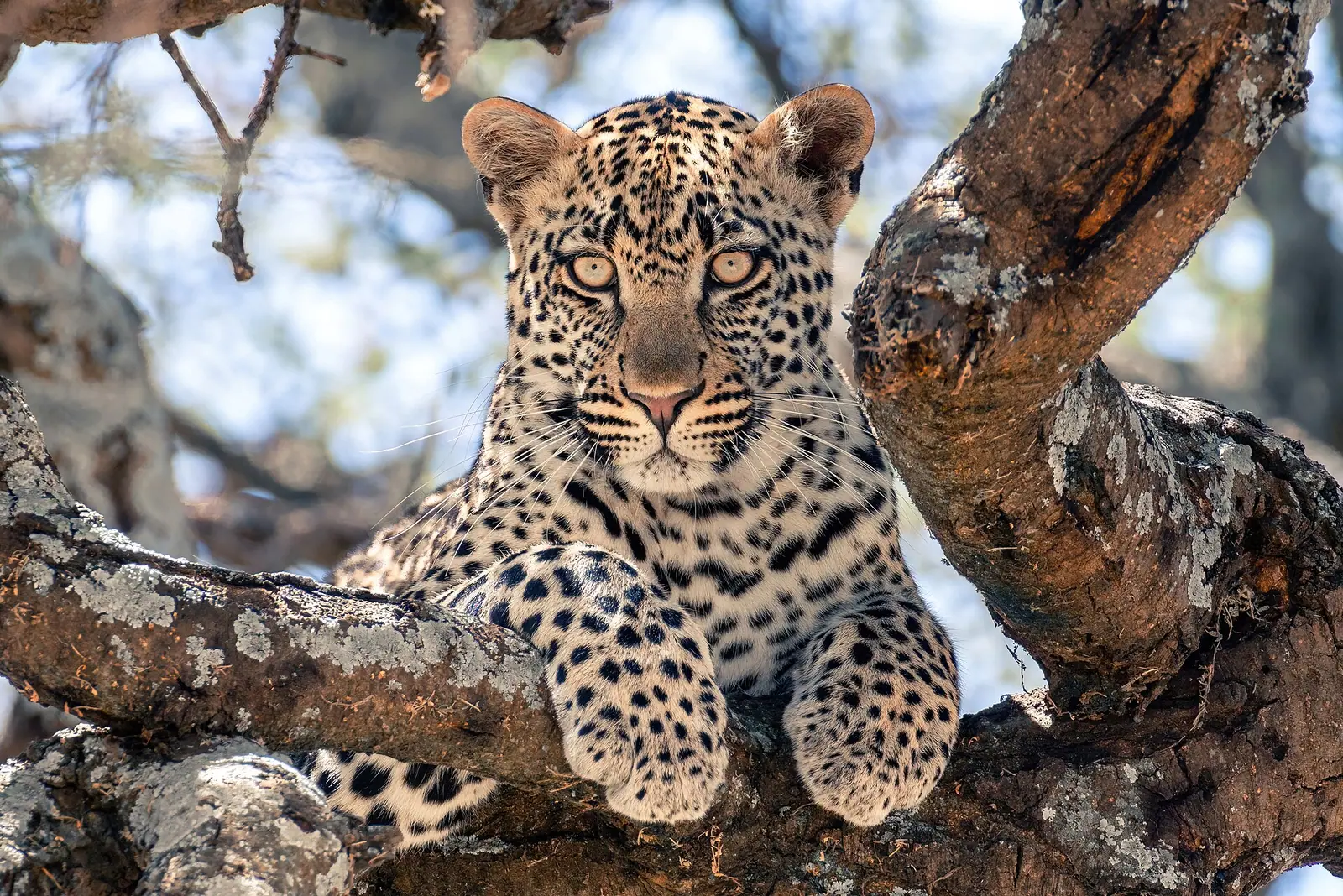
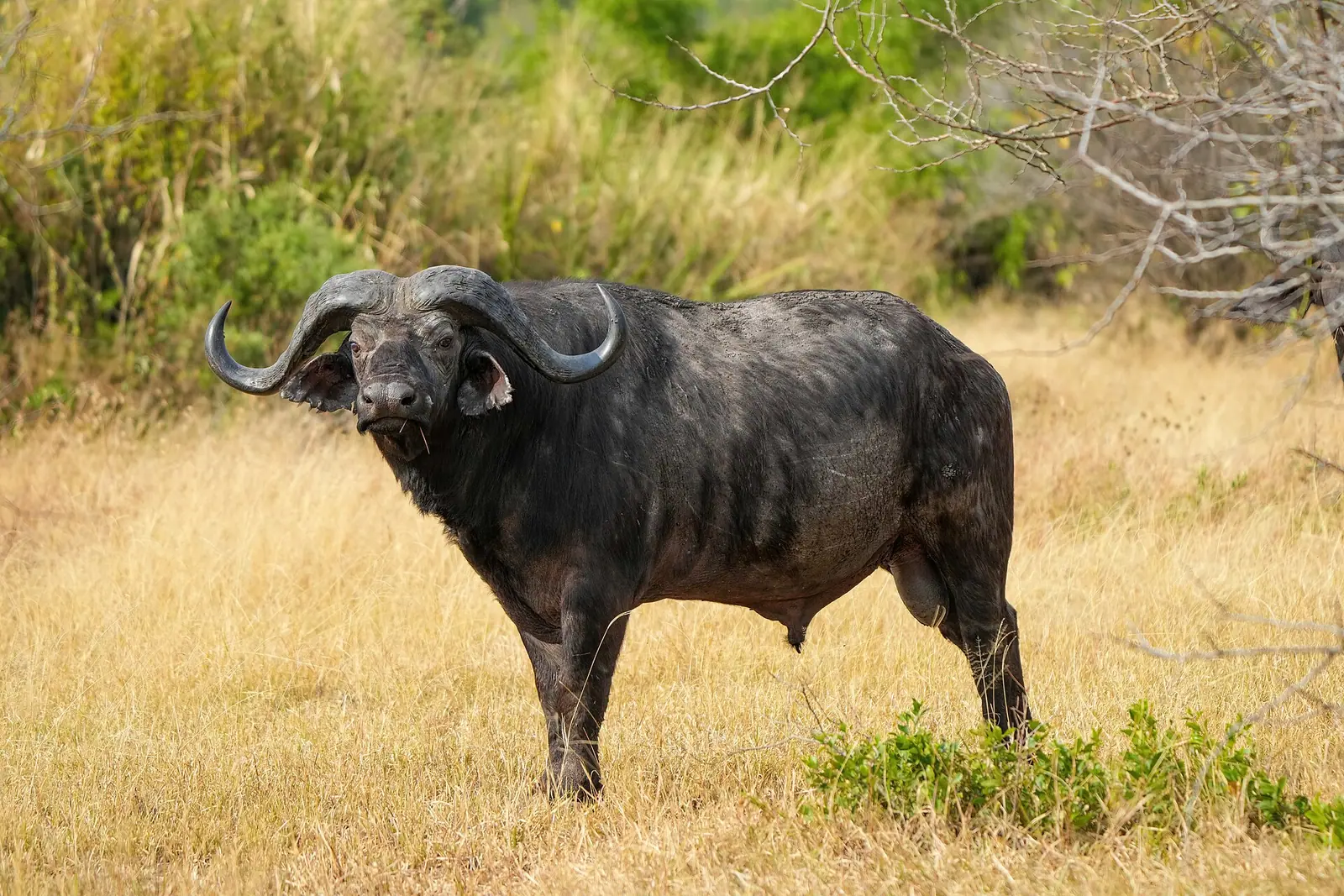
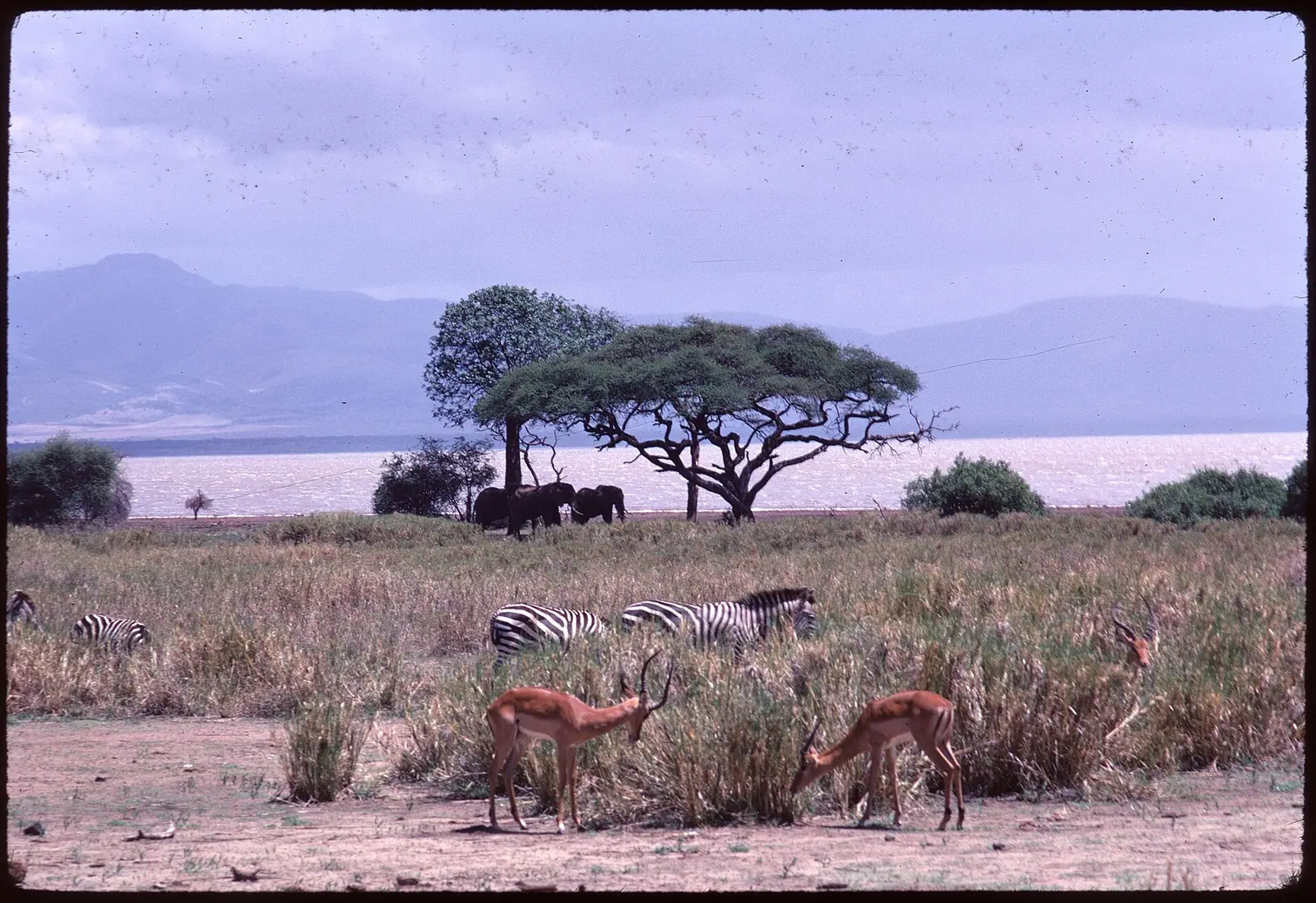
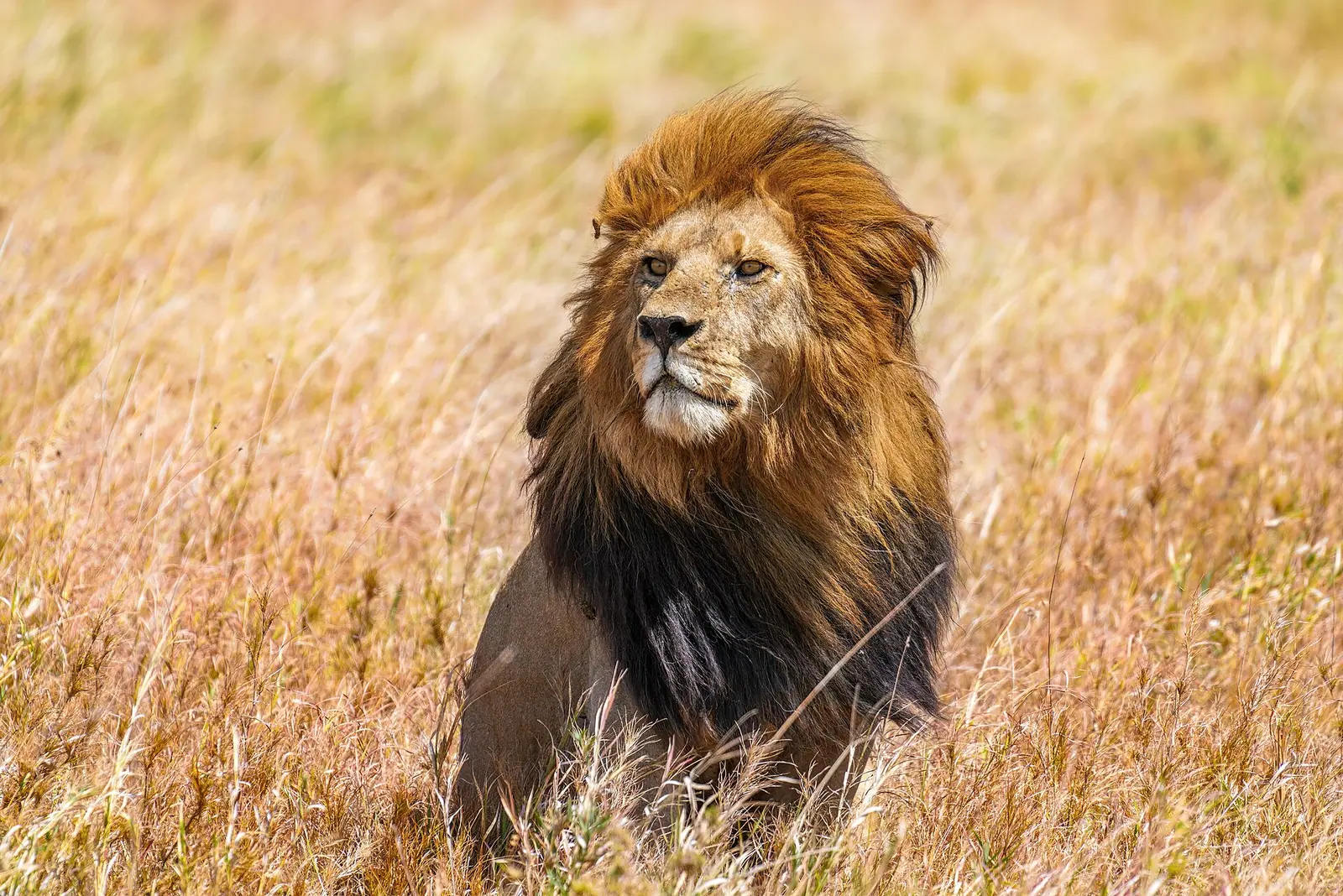
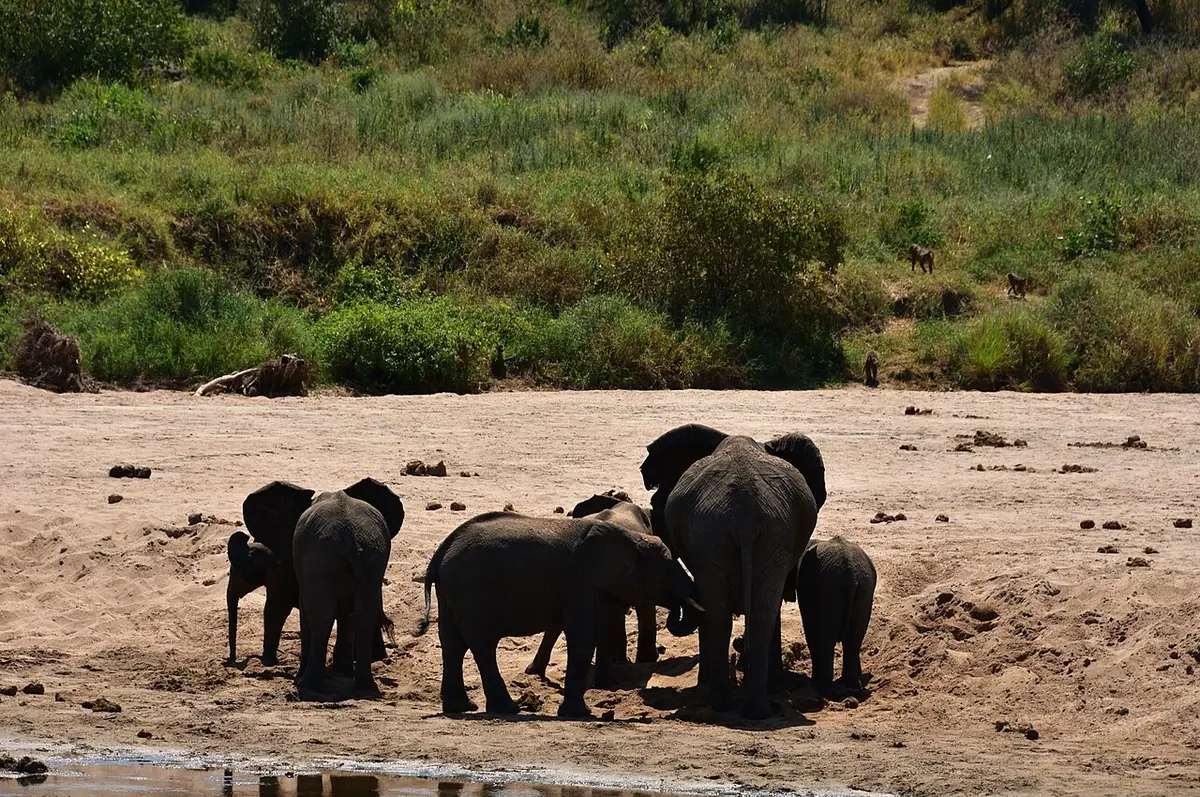
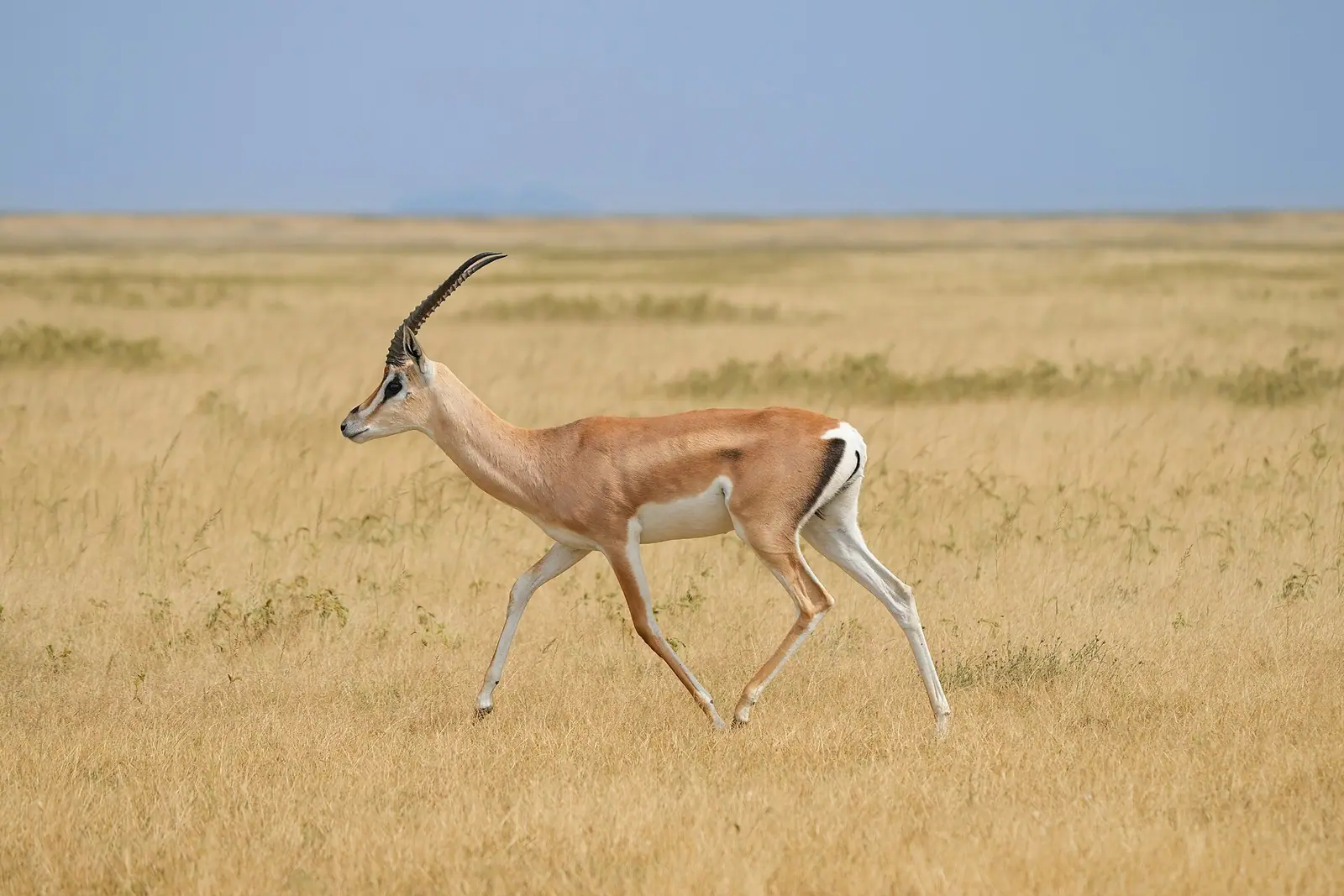
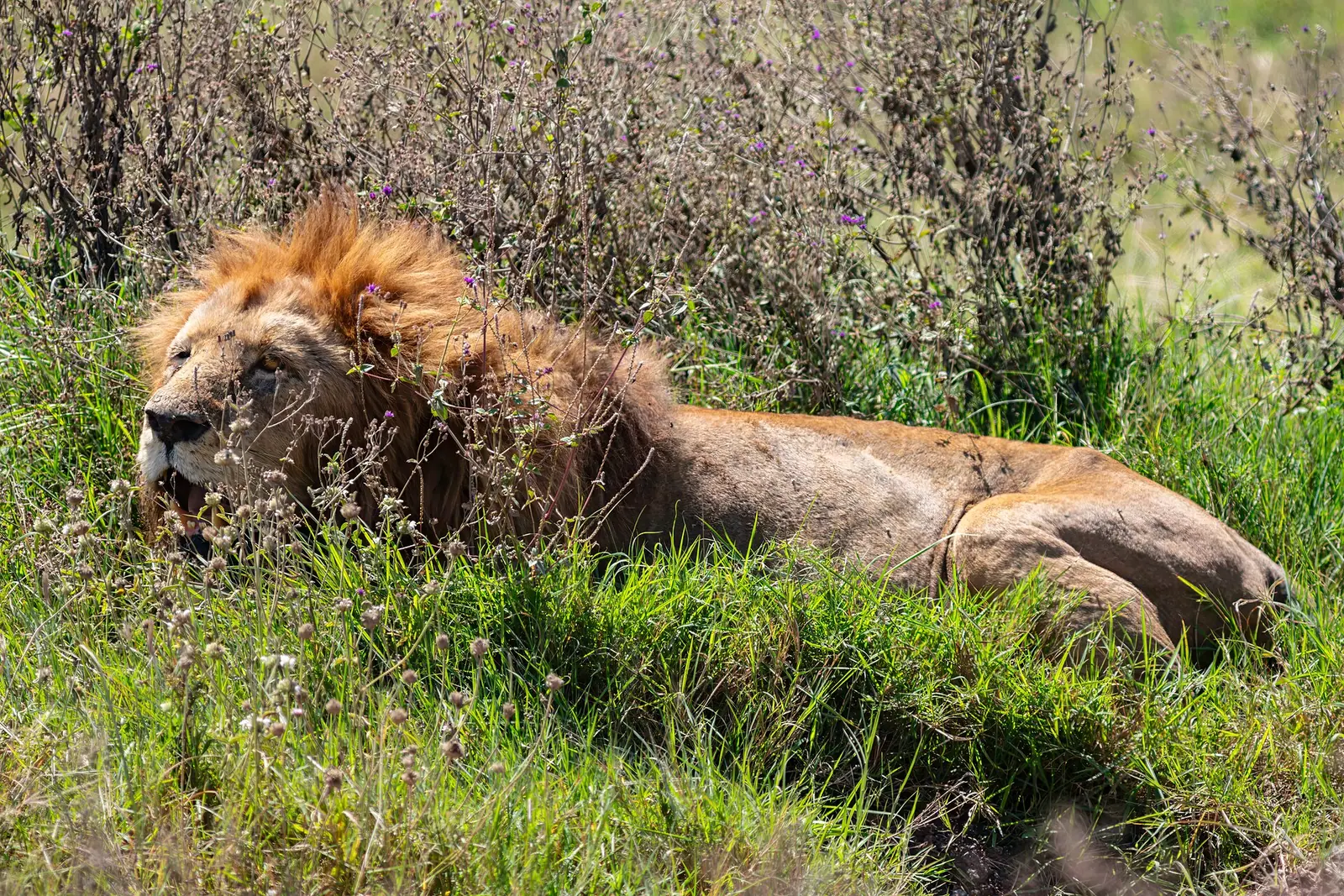
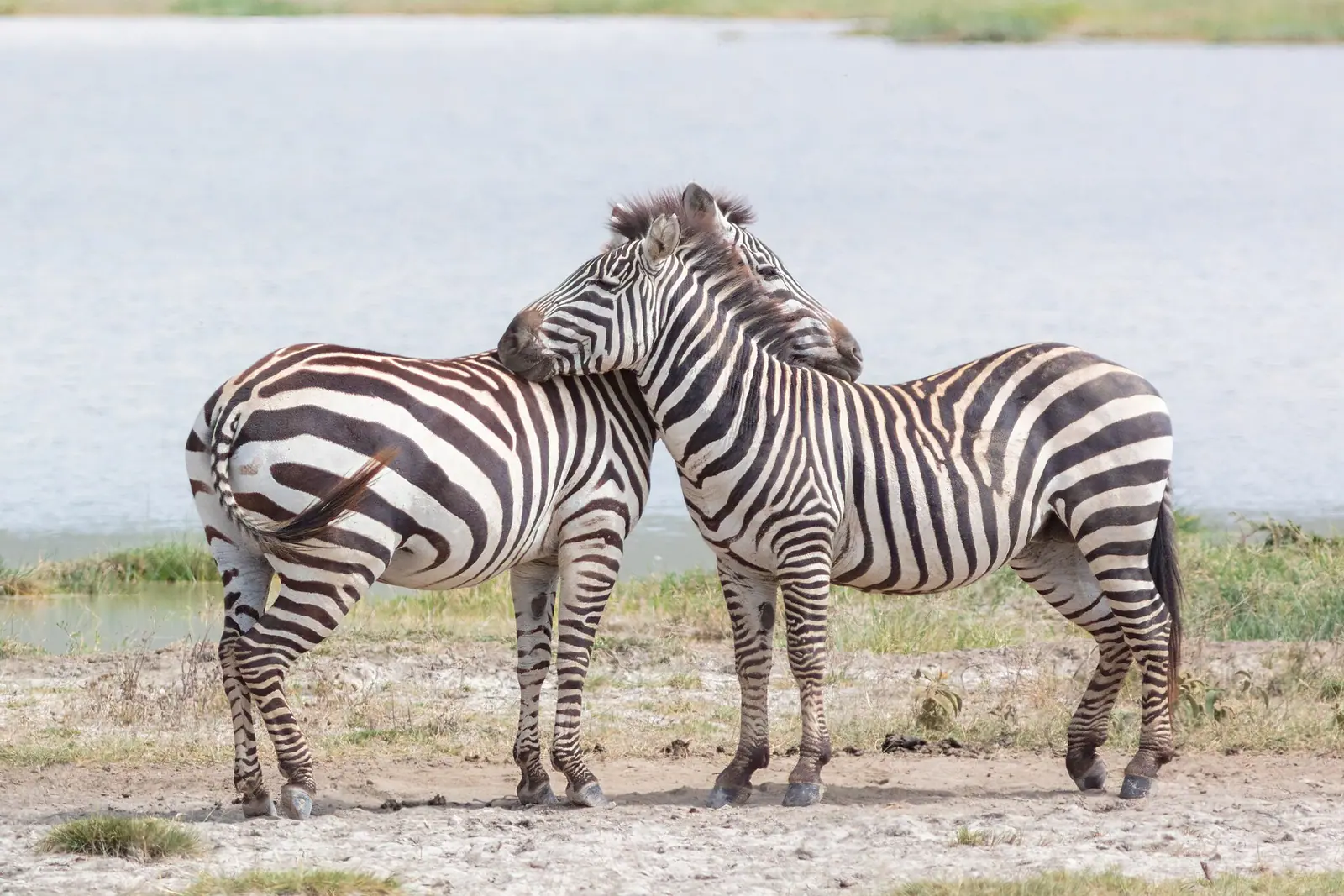
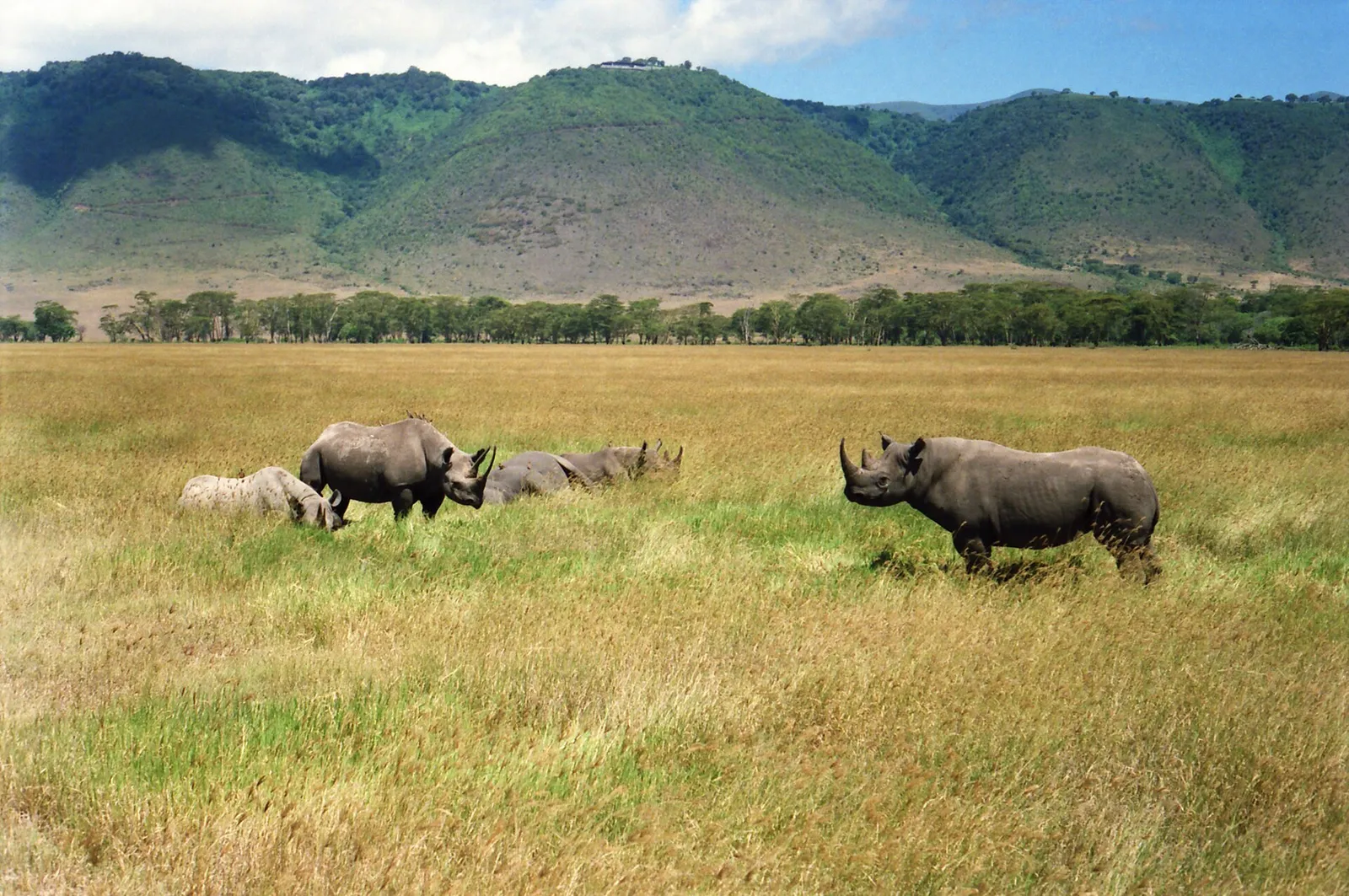
Lions, spotted hyenas, buffaloes, wildebeest, zebras, gazelles, elands, warthogs and hippos all live on the crater floor, and big bull elephants come down from the forested rim. The crater is also one of the best places in Tanzania to see black rhinos: a small population lives on the open grassland.
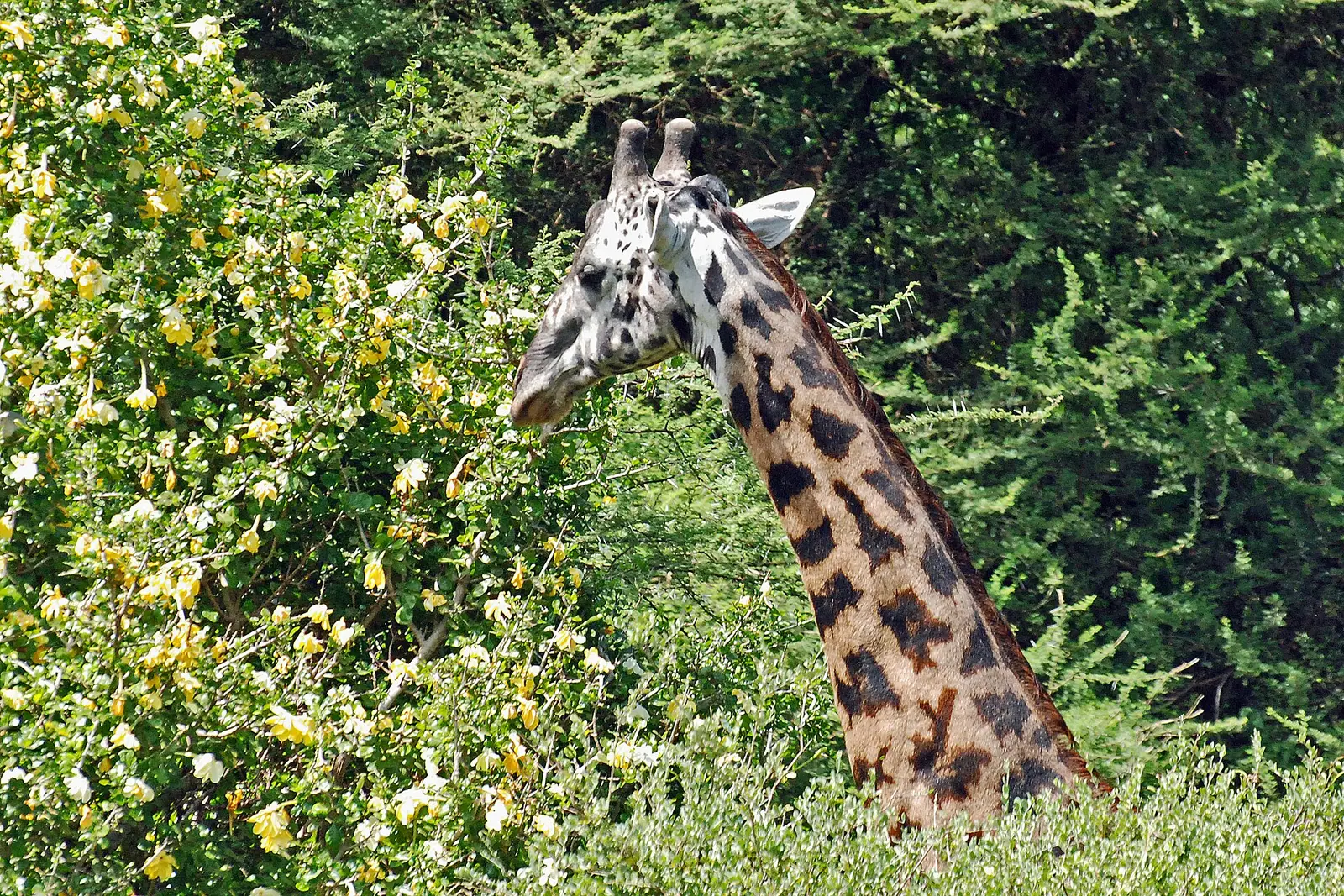
Flamingos gather on Lake Magadi, the soda lake in the middle of the crater, when the water level suits them, and golden-winged sunbirds, crowned cranes and kori bustards are easy to spot. You will notice that there are no giraffes: they rarely come down the steep crater walls, and there are few of the tall trees they feed on.
Game drives on the crater floor are limited to about six hours per vehicle, so most visits start early in the morning, when the light is soft and fewer vehicles are around. You drive down a steep road from the rim, spend the morning on the floor, have a picnic lunch at a marked site and drive back up in the early afternoon.
The rim lies at about 2,300 metres and is cold in the mornings and evenings, especially from June to August. Bring a warm jacket, even if the rest of your safari is hot.
Beyond the crater
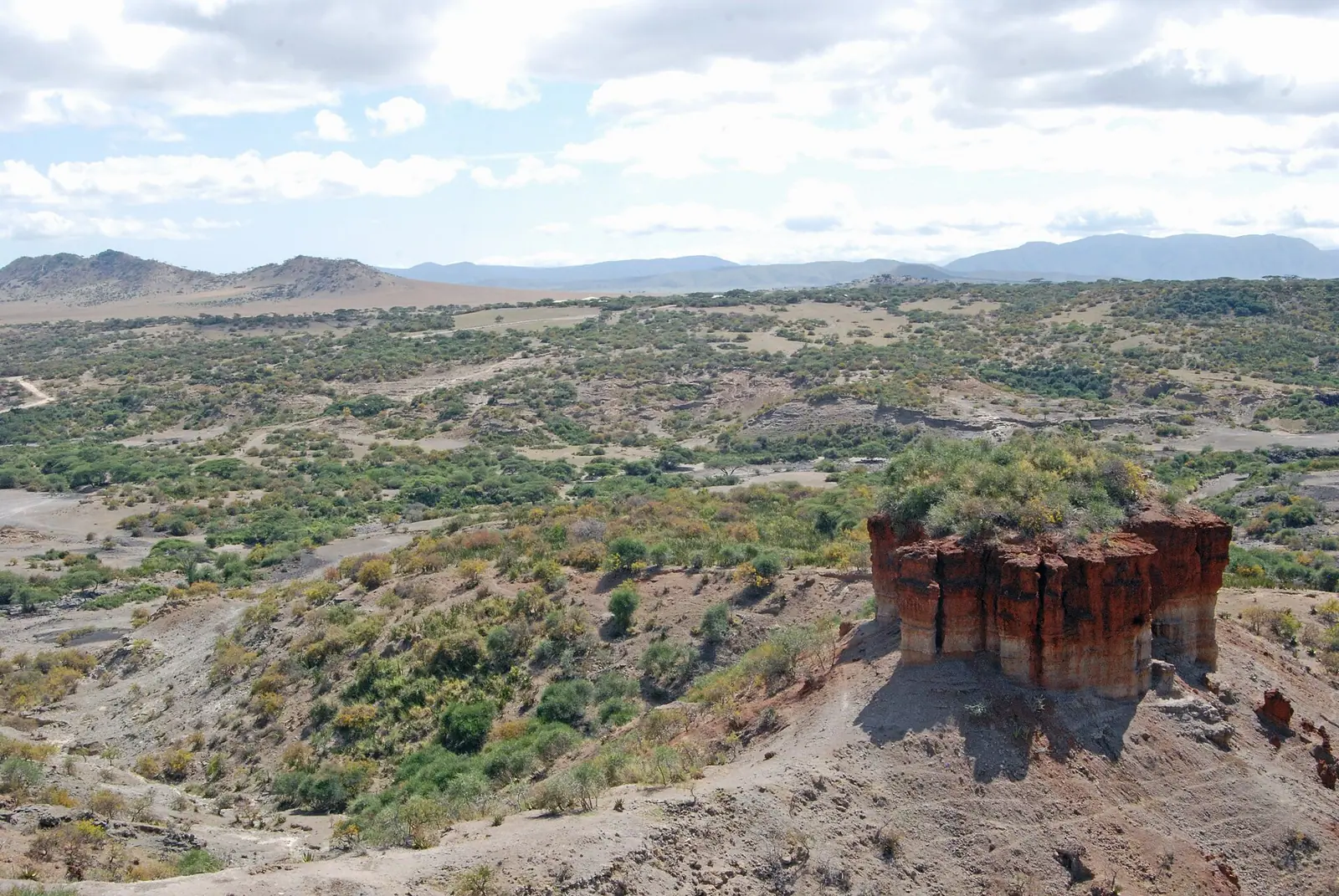
Olduvai Gorge, on the road to the Serengeti, is one of the most important places in the world for the study of human origins. Louis and Mary Leakey found fossils and stone tools here that are almost two million years old. A small museum explains the finds.
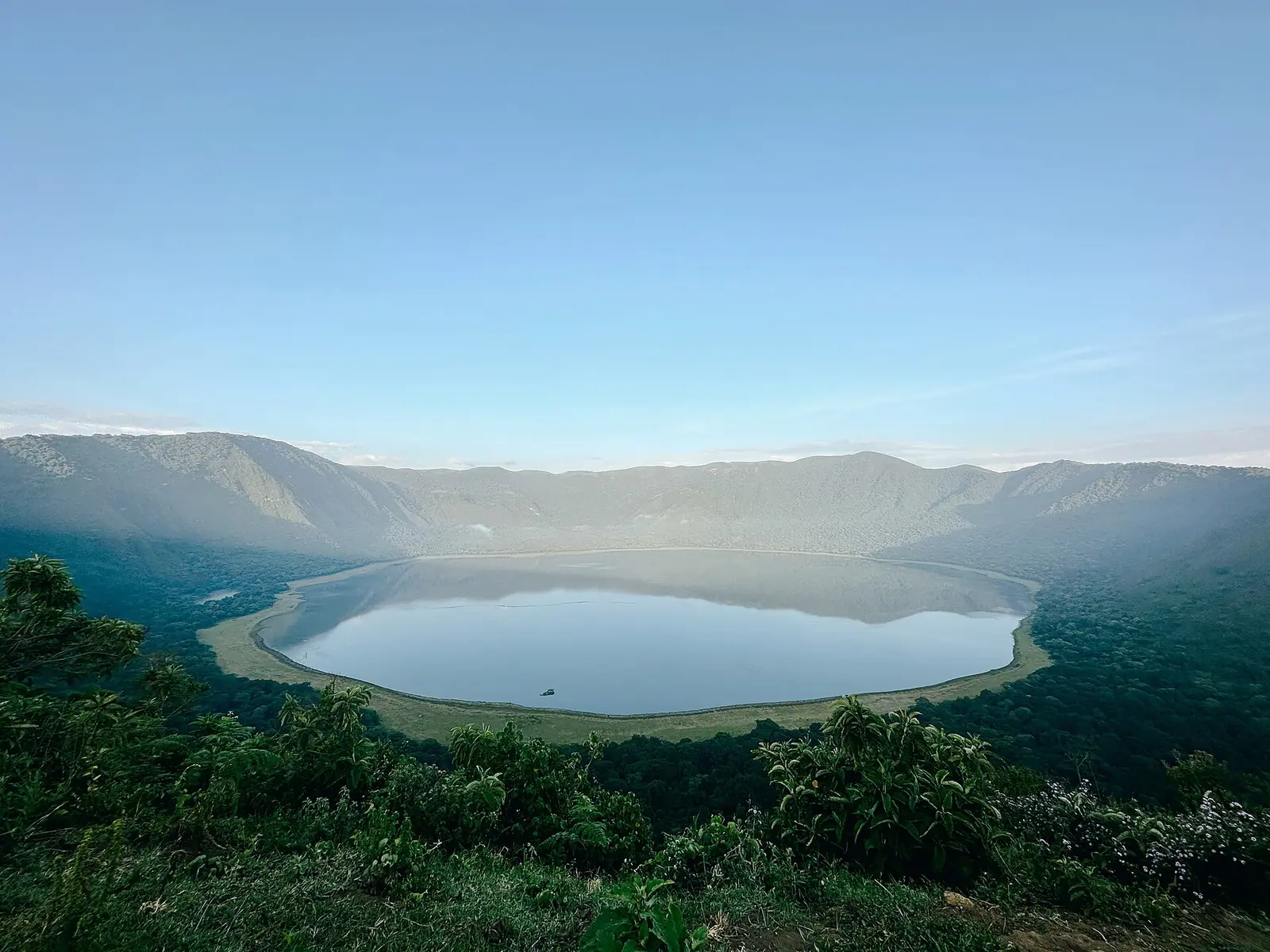
Empakaai Crater, in the north of the area, has a deep lake on its floor that often turns pink with flamingos. A steep walk with a ranger leads down to the lake, with views of Ol Doinyo Lengai on clear days.
Olmoti Crater is a shorter walk to a crater rim and a waterfall, through Maasai grazing land.
Ndutu, on the edge of the southern Serengeti plains, is where the herds of the Great Migration give birth from about January to March.
The crater has animals all year. The dry season, from June to October, has clear views and is the busiest time, so book early. The green season, from November to May, is quieter, with lush scenery and many young animals; in the long rains, in April and May, the roads can be muddy, but the crater is still open.
Getting there
The crater rim is about three hours’ drive from Arusha on a good road, through the town of Karatu, so Ngorongoro fits easily into a safari with Tarangire, Lake Manyara or the Serengeti. Most guests spend a night on the rim or in the farmland around Karatu before or after their crater day.
No. There are no lodges on the crater floor, and visitors must leave in the afternoon. Lodges and camps stand on the rim and around Karatu.
Will I see rhinos?
There is a good chance, but nothing is guaranteed. The rhinos usually keep their distance from the roads, so bring binoculars.
Is one day enough?
One day is enough for the crater itself. Add a day or two to walk at Empakaai or Olmoti, visit Olduvai Gorge or spend time with the herds at Ndutu in season.
Do Maasai really live in the conservation area?
Yes. Ngorongoro is a multiple-use area where Maasai families graze their cattle, and you will often see herders and their livestock on the way.
Plan your visit to Ngorongoro
Tell us when you would like to travel and what you would like to see, and we will send you an itinerary and a price.


 4 days