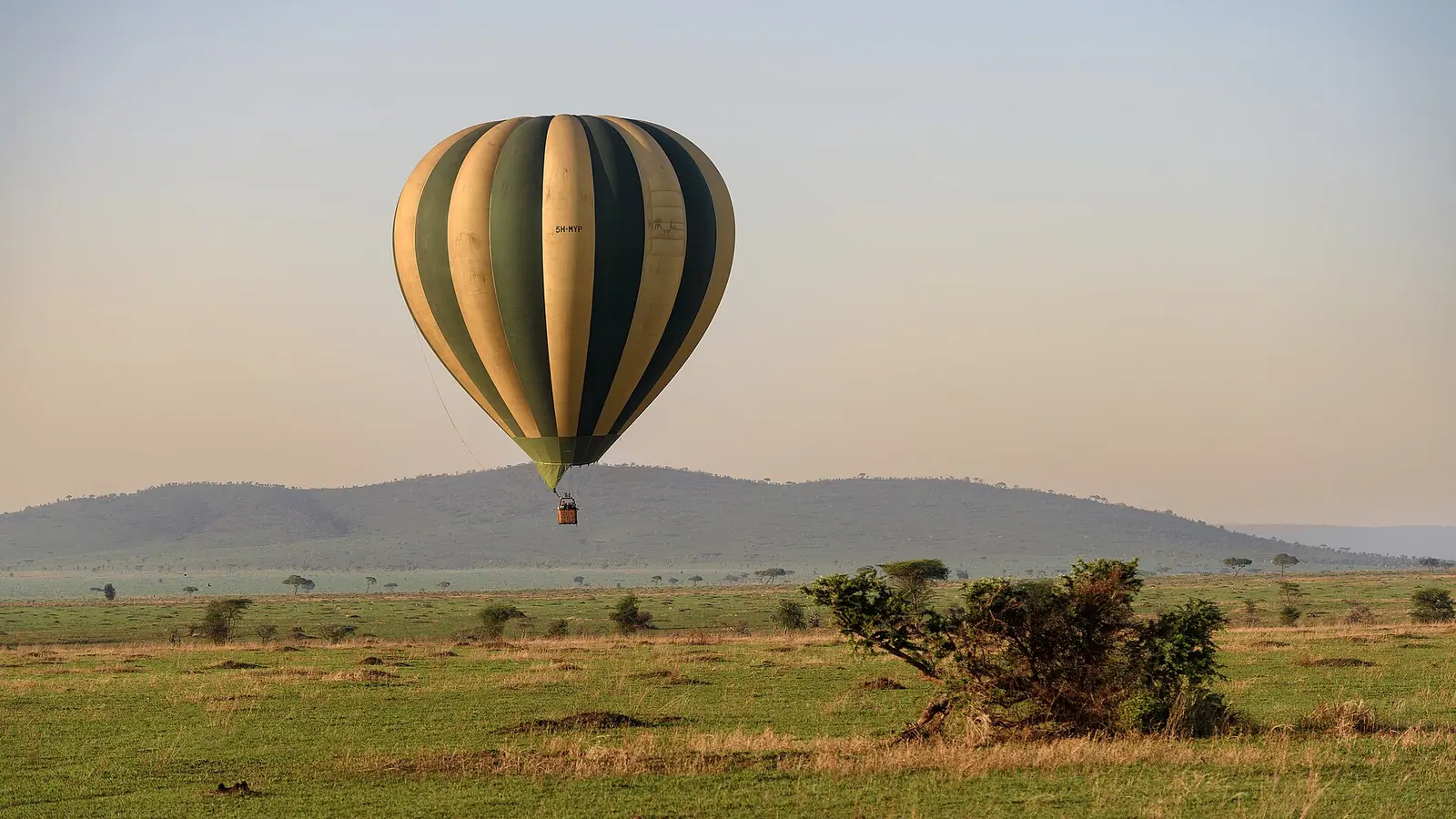
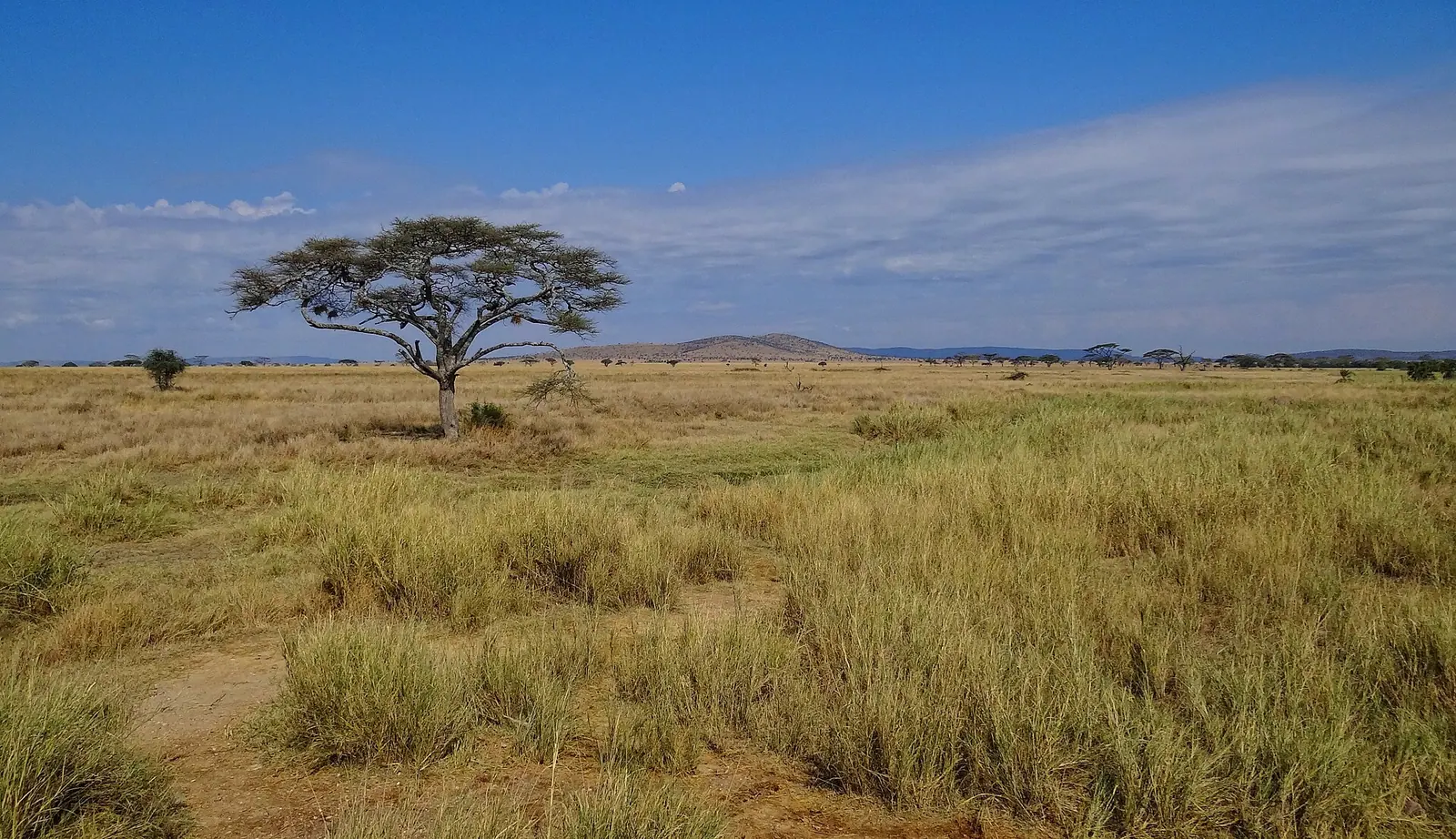
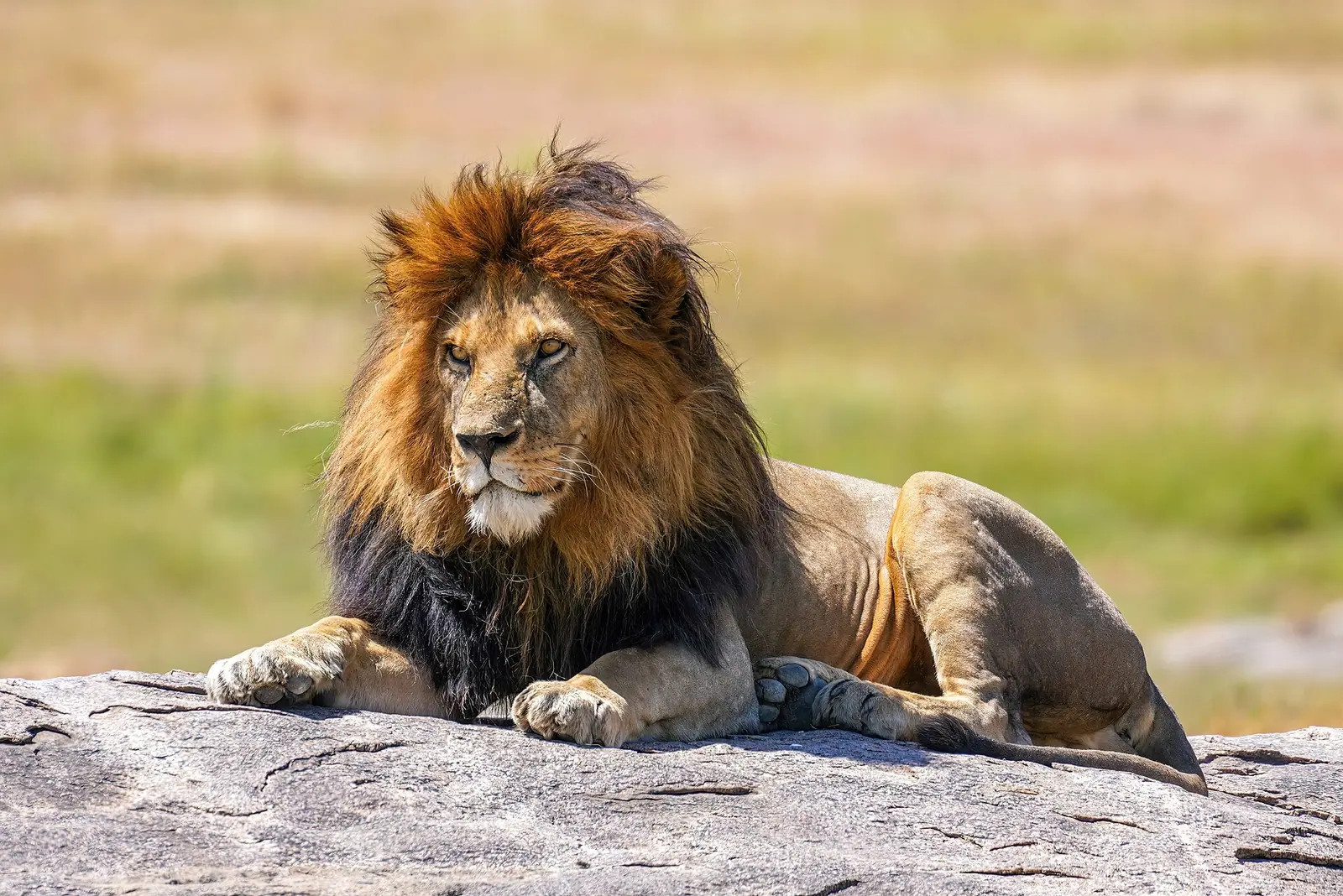
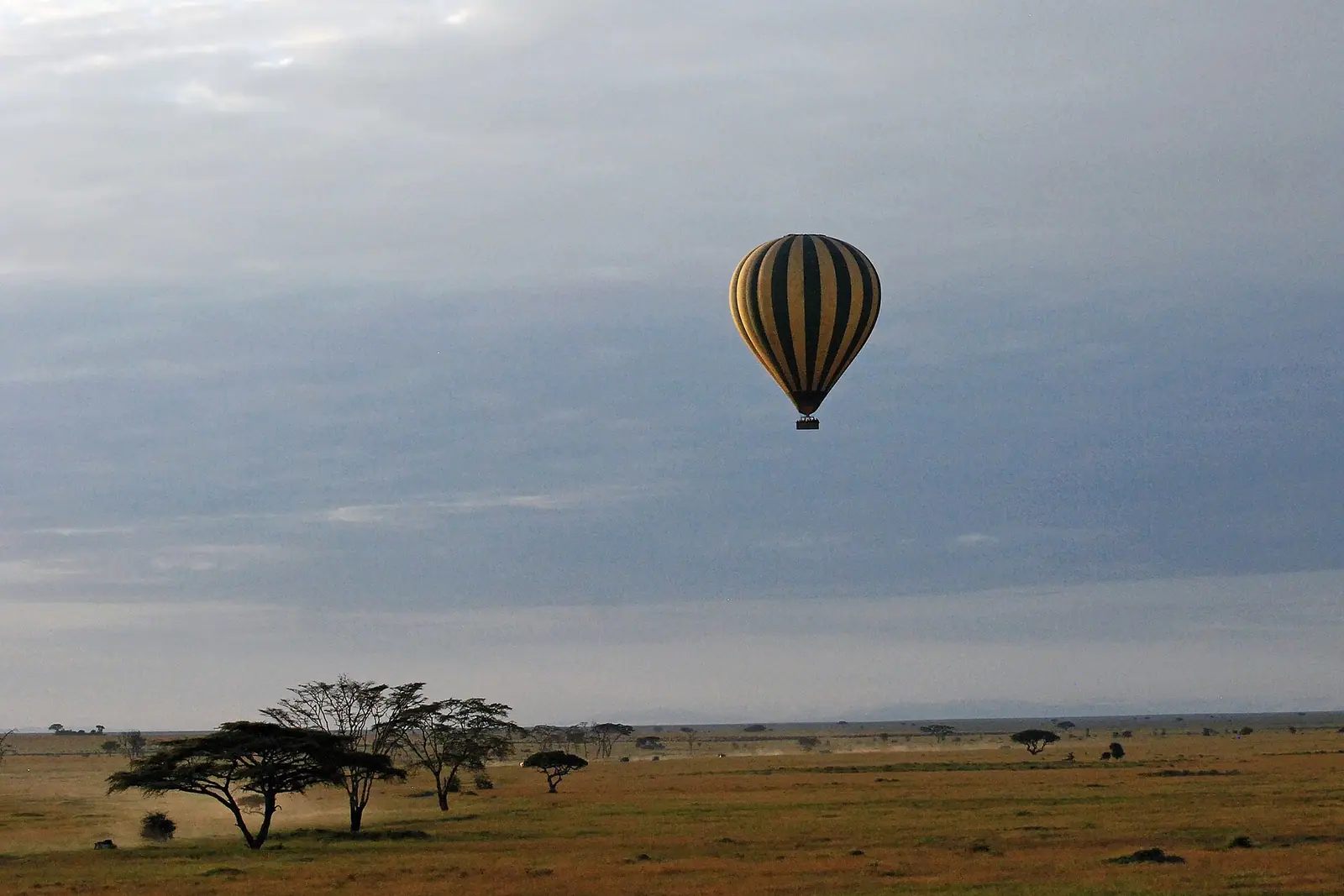
The Serengeti is the park most people picture when they think of an African safari: golden grass plains that run to the horizon, granite outcrops where lions rest in the shade, and herds of wildebeest and zebras so large they seem to move as one. Its name comes from the Maasai word siringet, “the place where the land runs on forever”.
Covering almost 15,000 square kilometres in the north of Tanzania, the Serengeti is one of the oldest and best-known national parks in Africa and a UNESCO World Heritage Site. Together with Kenya’s Maasai Mara and the surrounding reserves, it forms one ecosystem through which the Great Migration moves all year round.
At a glance
Location
Northern Tanzania, bordering Kenya
Size
about 14,750 km²
National park since
1951
Famous for
The Great Migration, big cats
Best time
All year; June to October is driest
Days to plan
3 to 4 nights
From Arusha
7–8 hours by road, or a 1-hour flight
UNESCO
World Heritage Site since 1981
Wildlife of the Serengeti
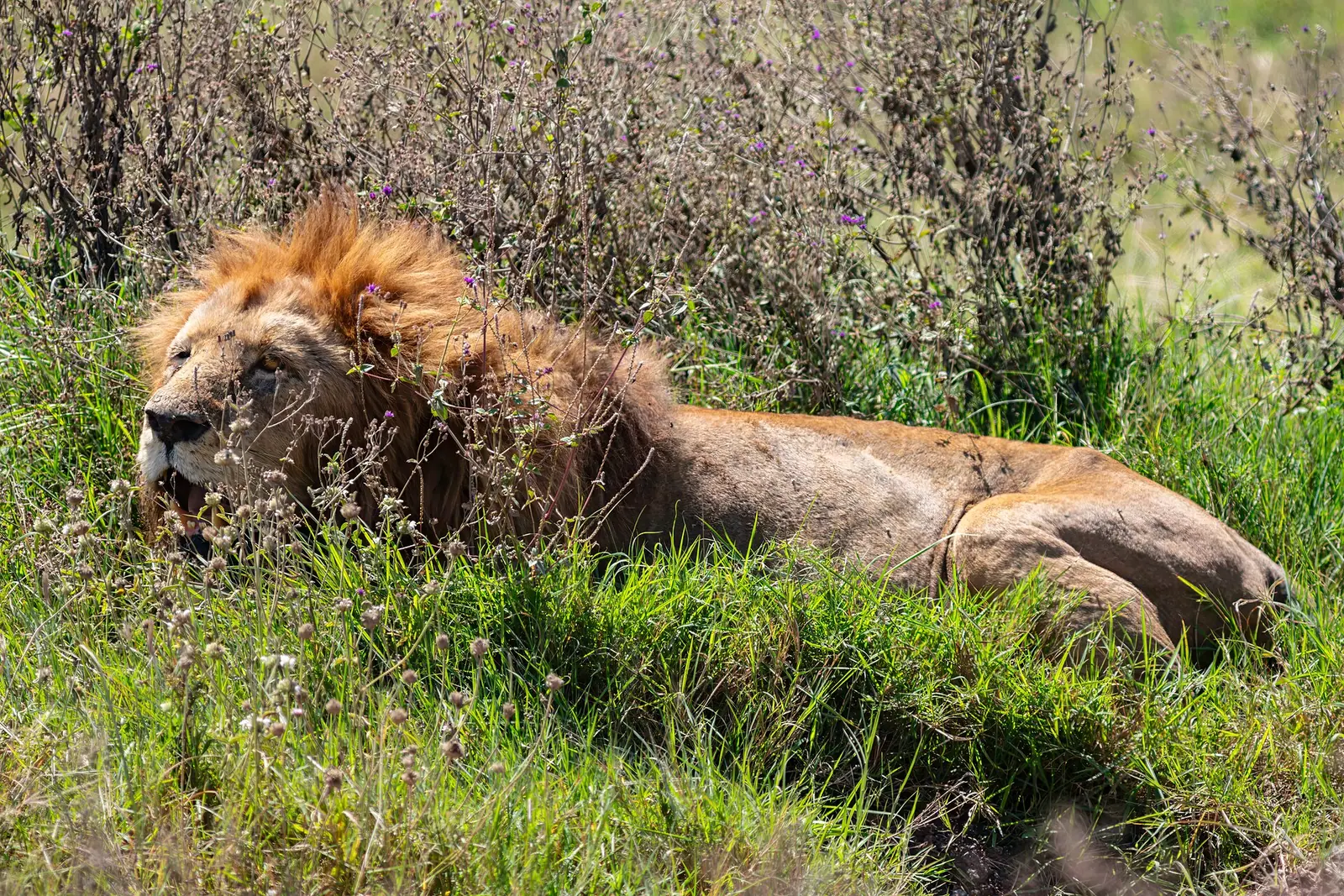
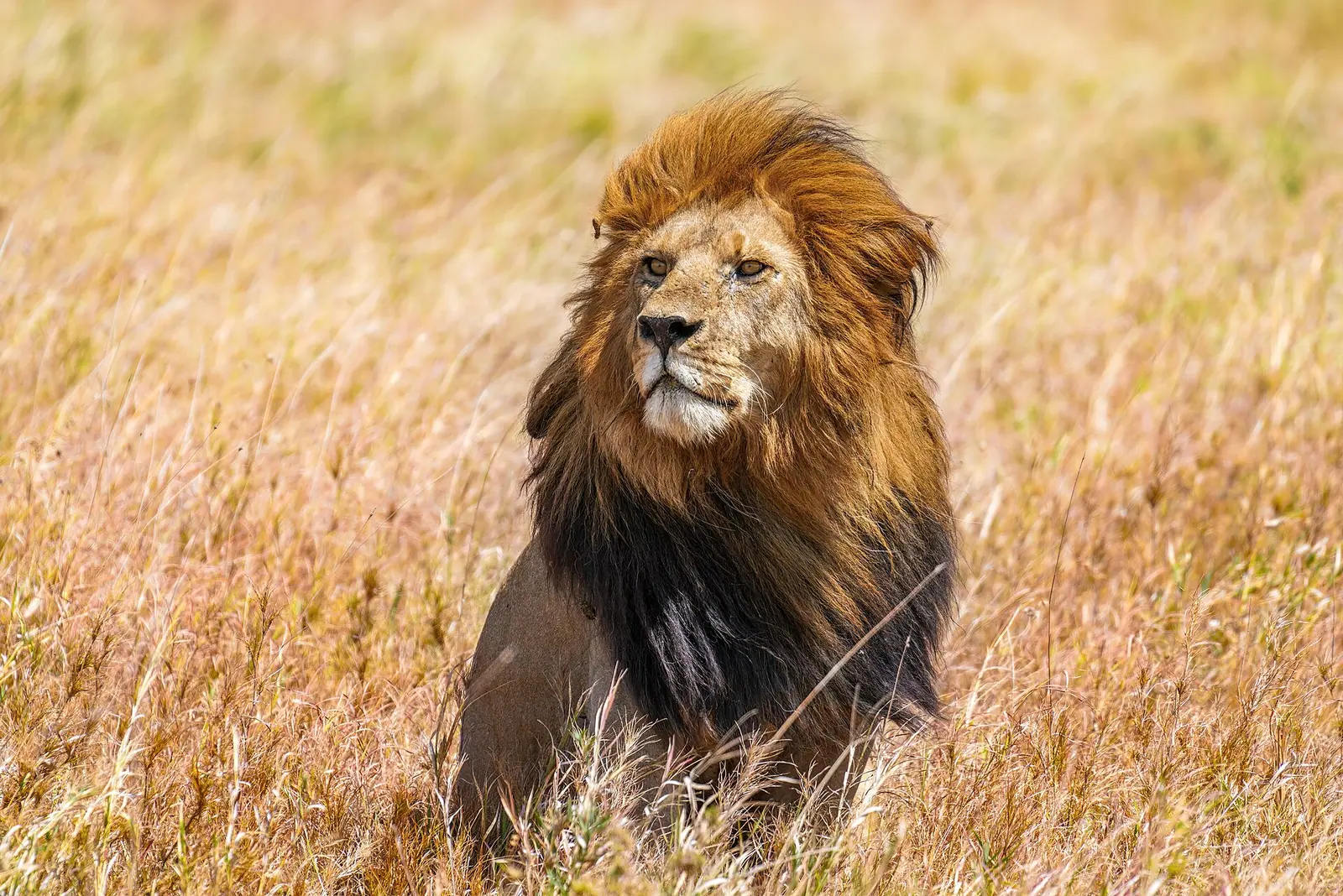
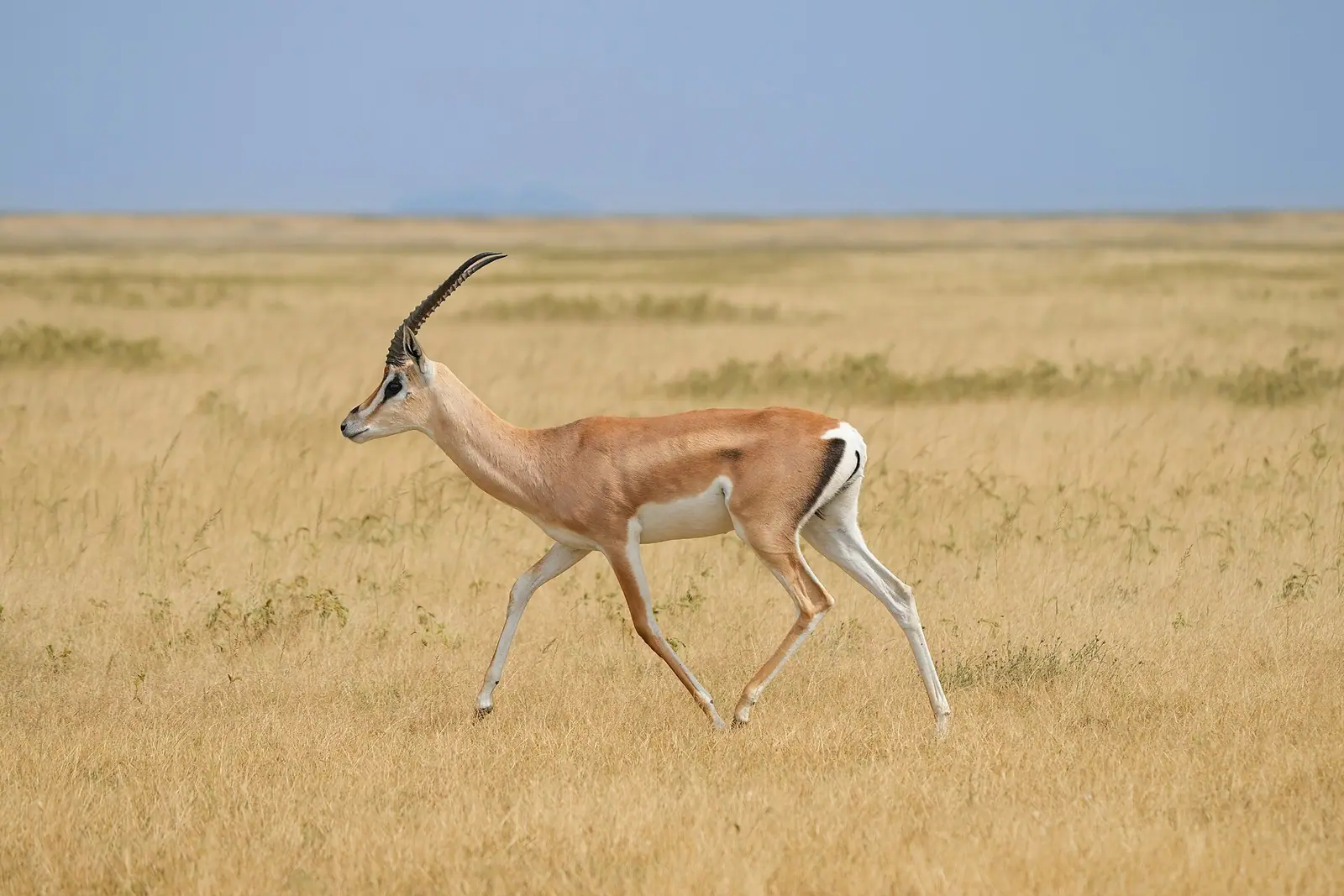
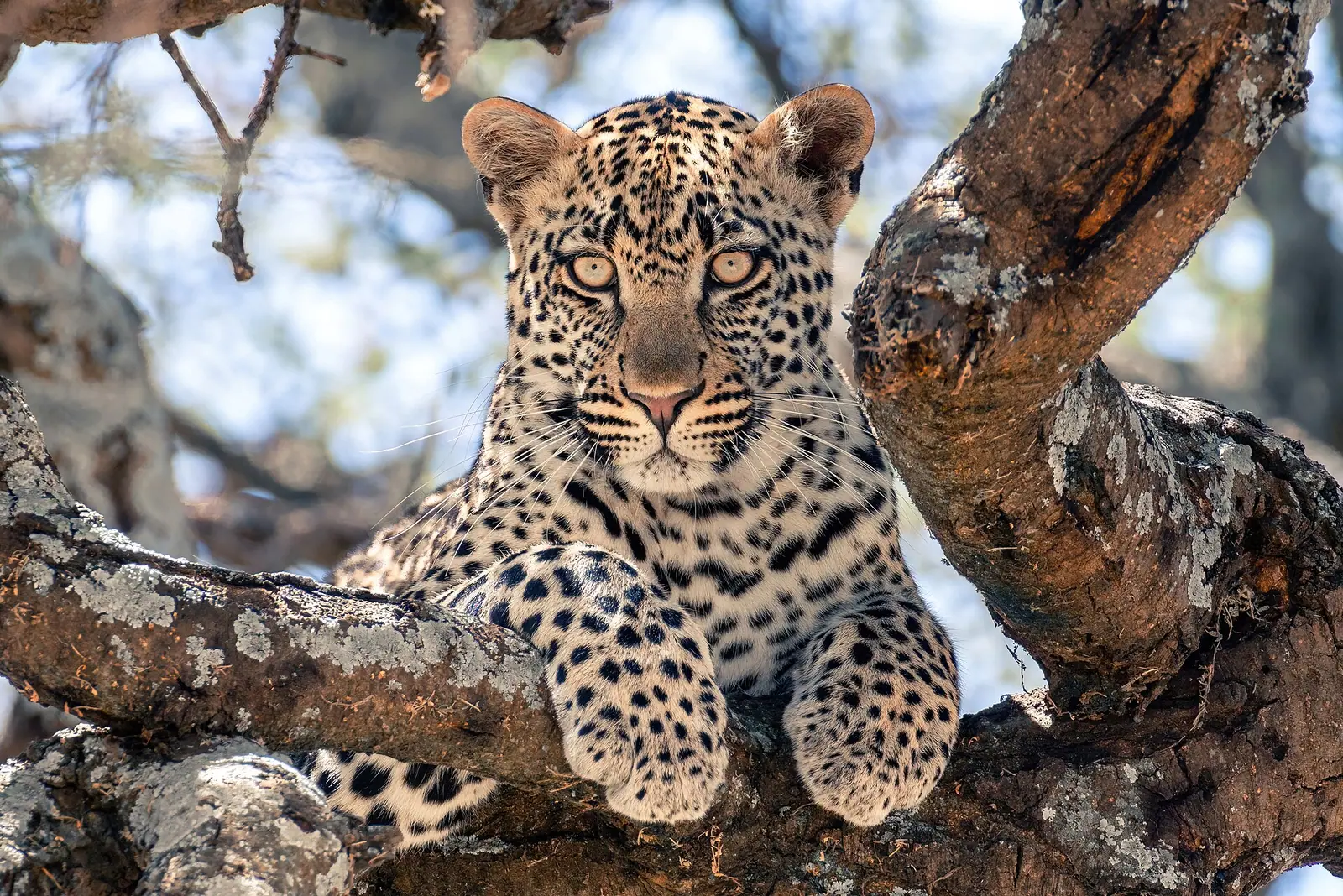
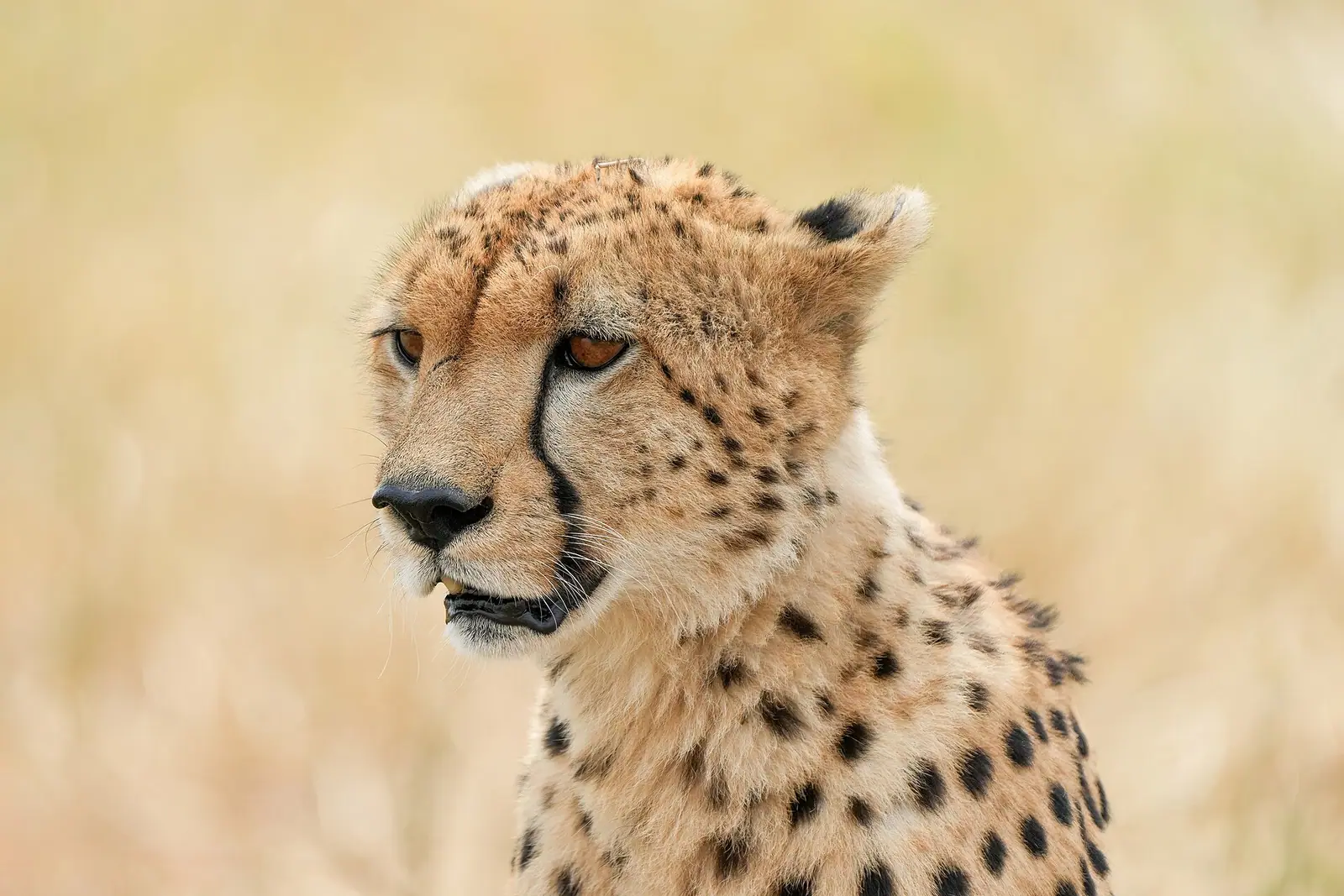
The Serengeti has one of the highest concentrations of large animals on Earth. Around a million and a half wildebeest share the plains with hundreds of thousands of zebras and gazelles, and they draw the predators: the park has one of the largest lion populations in Africa, along with leopards, cheetahs, spotted hyenas and jackals.
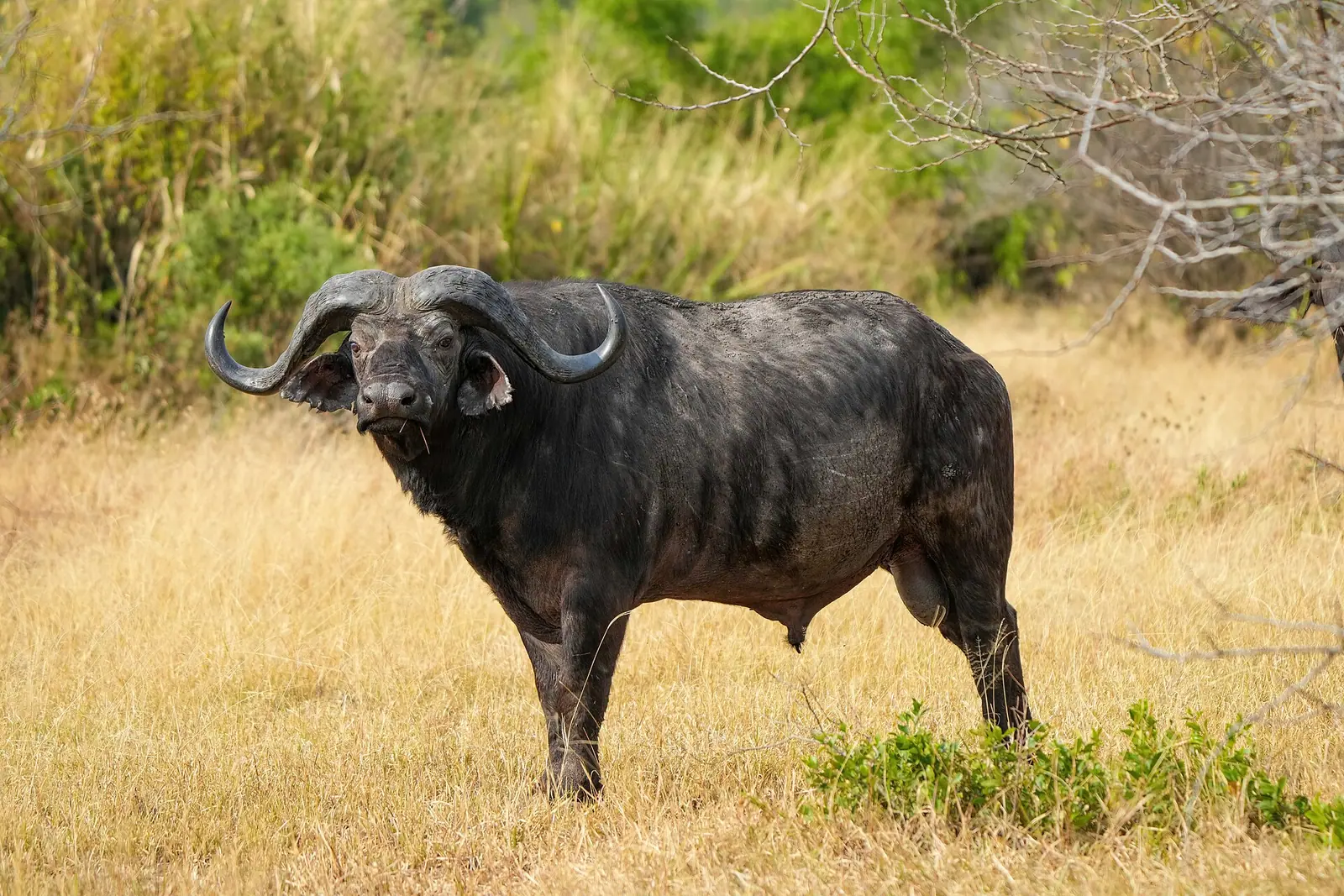
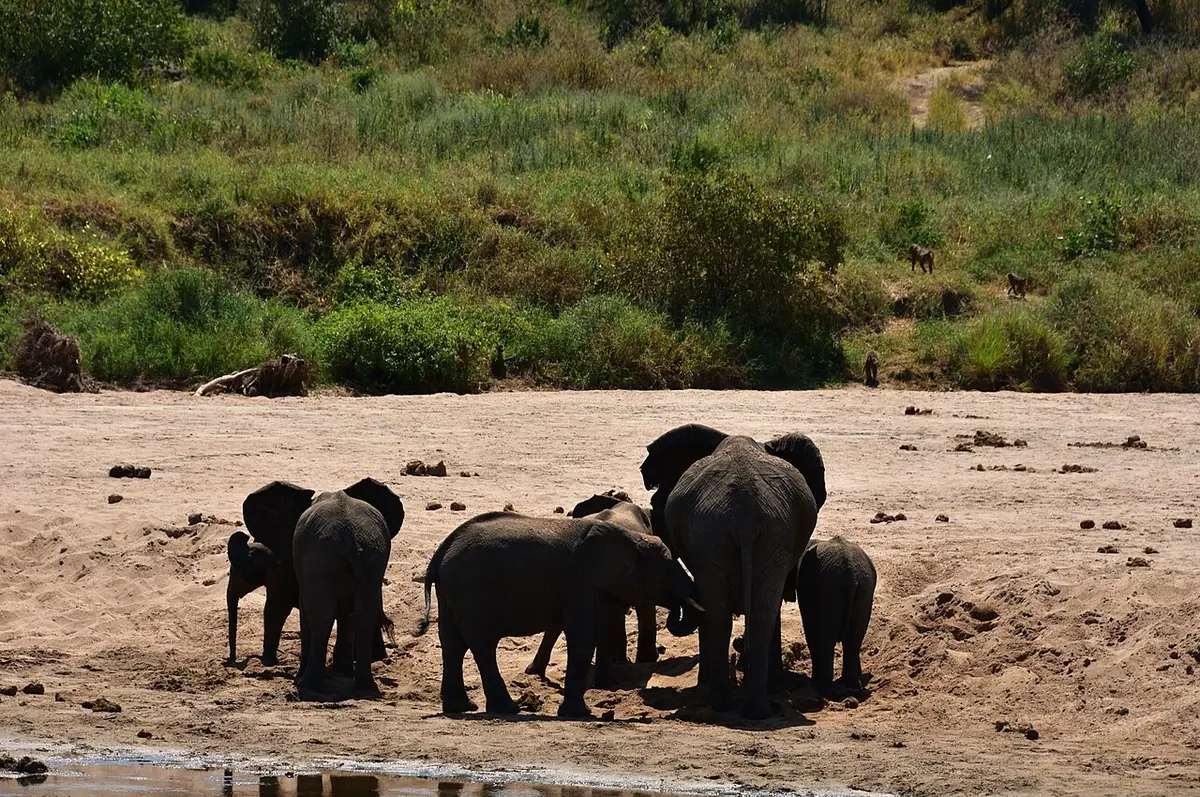
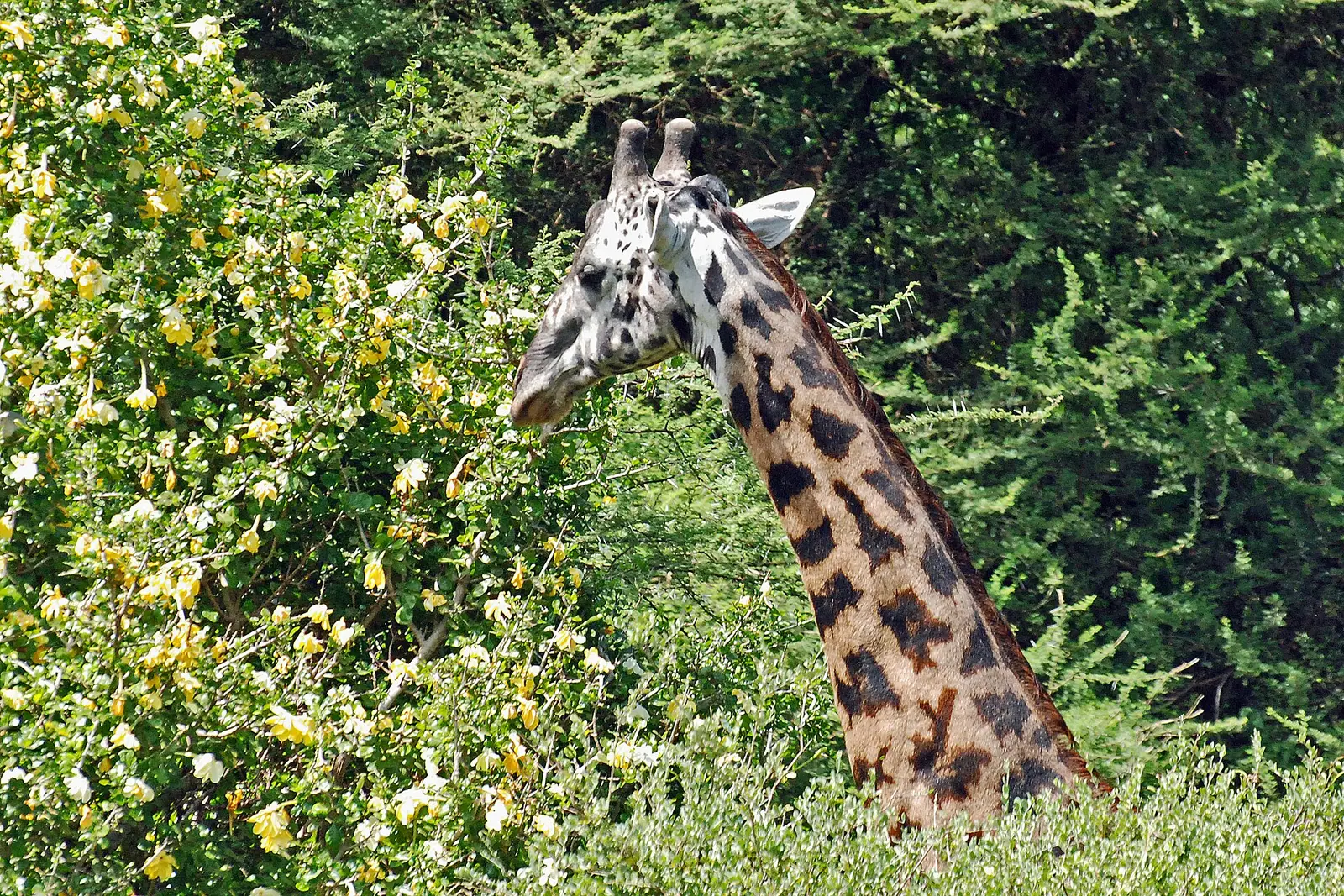
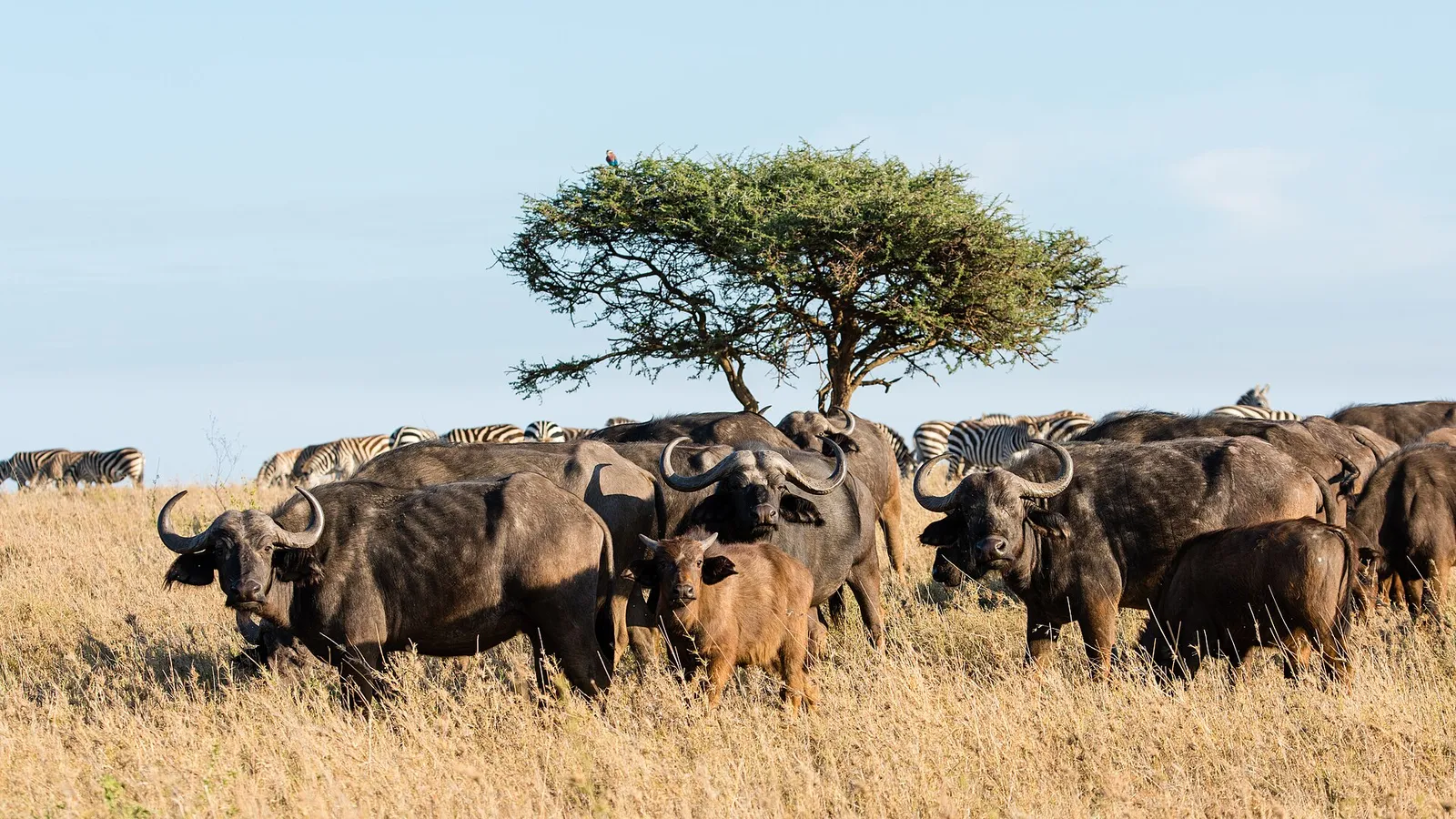
Elephants, buffaloes, giraffes, hippos, topis, elands and warthogs are common, and more than 500 species of birds have been recorded, from ostriches and secretary birds to lilac-breasted rollers. Black rhinos are rare and shy, and live mainly around the Moru Kopjes.
December to March: the herds graze on the short-grass plains in the south of the Serengeti, around Ndutu. Most wildebeest calves are born in a few weeks around February, which attracts lions, cheetahs and hyenas.
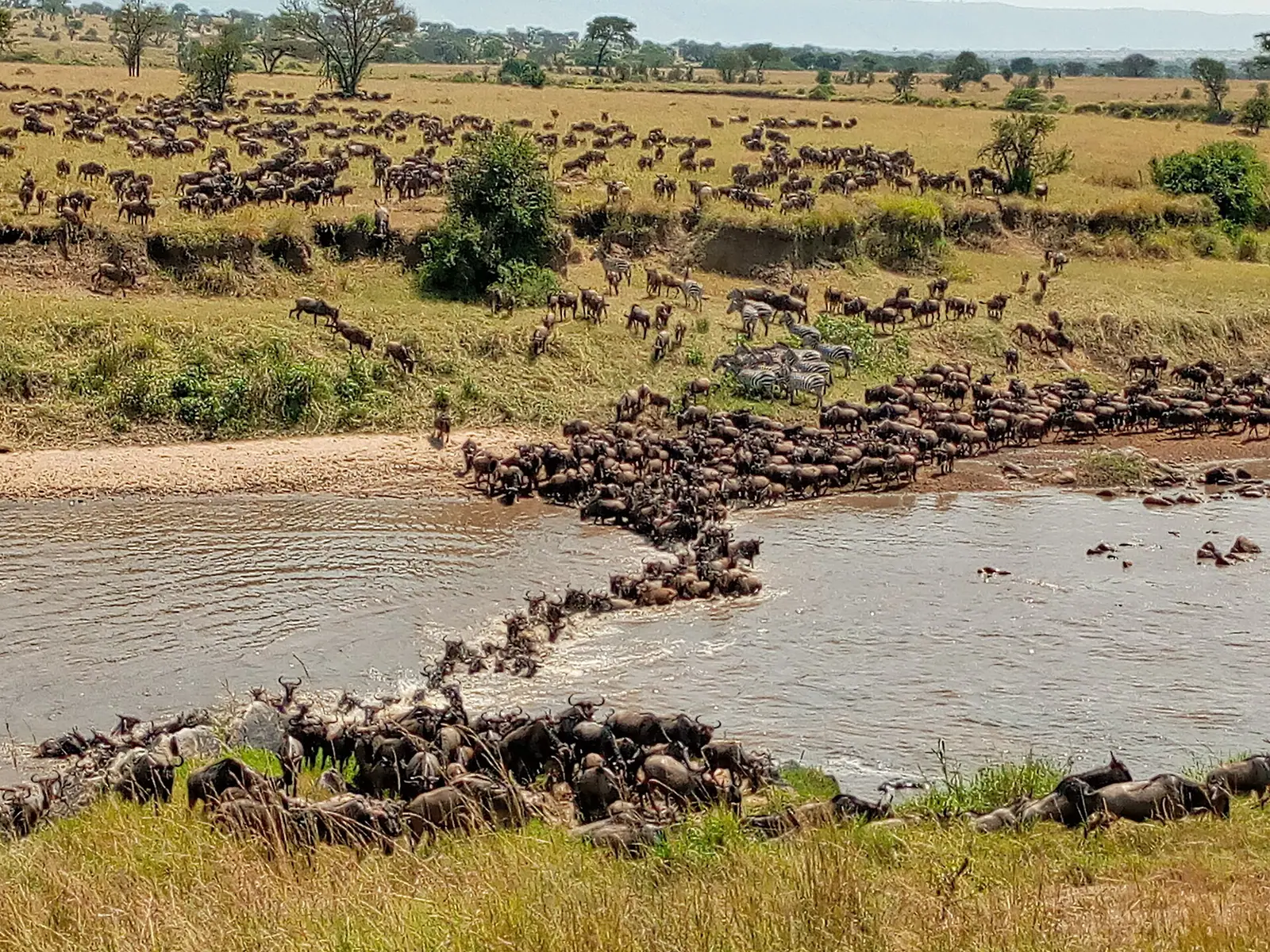
April to June: as the plains dry out, the herds move north-west through the centre of the park and into the Western Corridor, where they cross the Grumeti River.
July to October: the herds reach the northern Serengeti and the Maasai Mara, and cross the Mara River, often in huge numbers. These crossings are the most dramatic moments of the migration.
November: with the short rains, the herds start moving south again through the east of the park.
The timing changes every year with the rain, so we plan your route around the most recent reports from guides in the park.
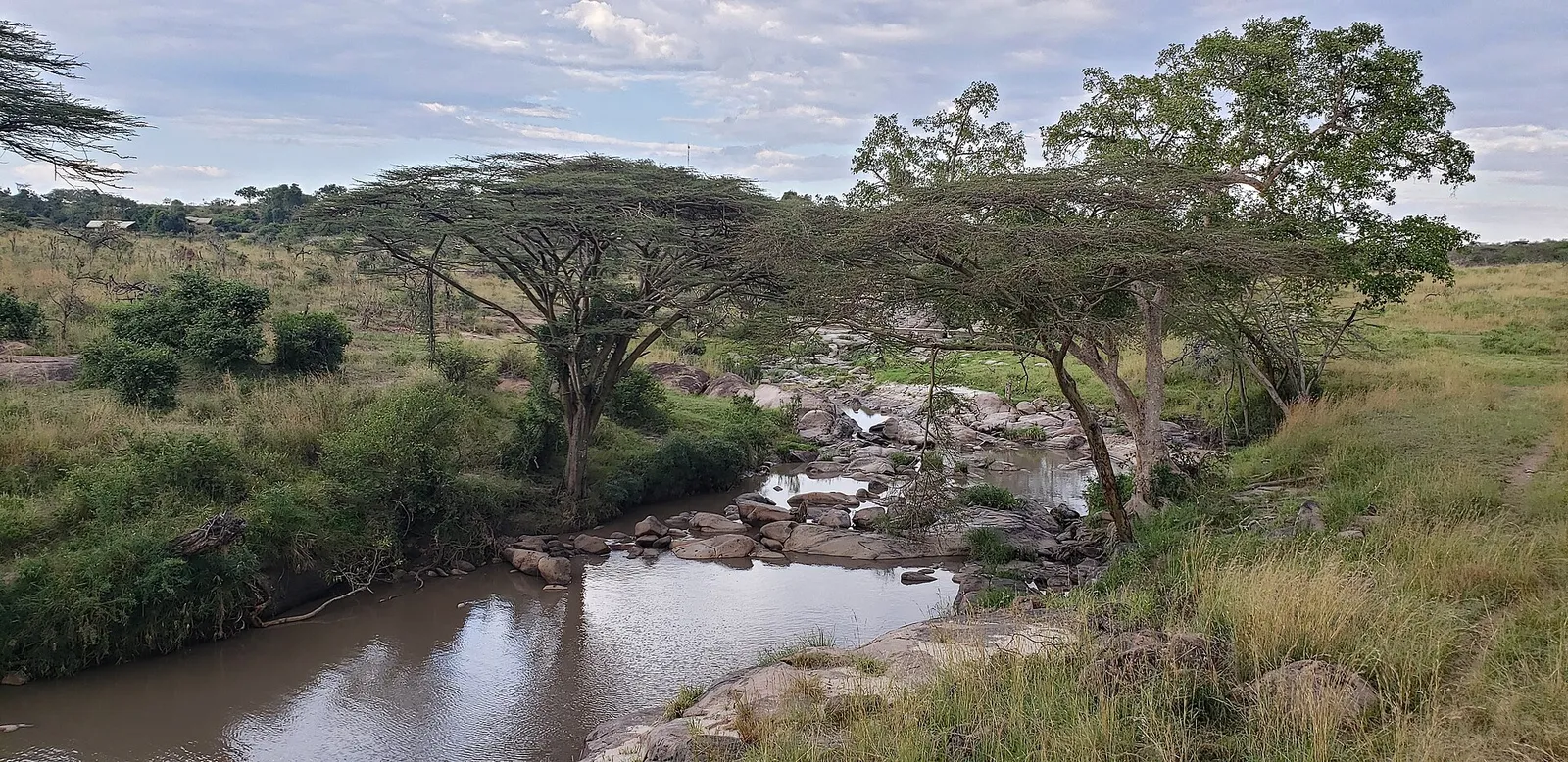
Seronera, in the centre, has water all year and resident wildlife, so it is good in every season. The Seronera River valley and the kopjes around it are some of the best places in Africa to look for leopards and lions.
The southern plains and Ndutu are the place to be from December to March, during the calving season. The area sits partly in the Ngorongoro Conservation Area, where off-road driving is allowed.
The Western Corridor stretches towards Lake Victoria along the Grumeti River, known for its large crocodiles. The herds pass through from May to July.
The northern Serengeti, around Kogatende and Lobo, is wild and hilly. From July to October it is the best area for the Mara River crossings.
The eastern Serengeti, with the Gol Kopjes and Nasera Rock, is open short-grass country, especially good for cheetahs.
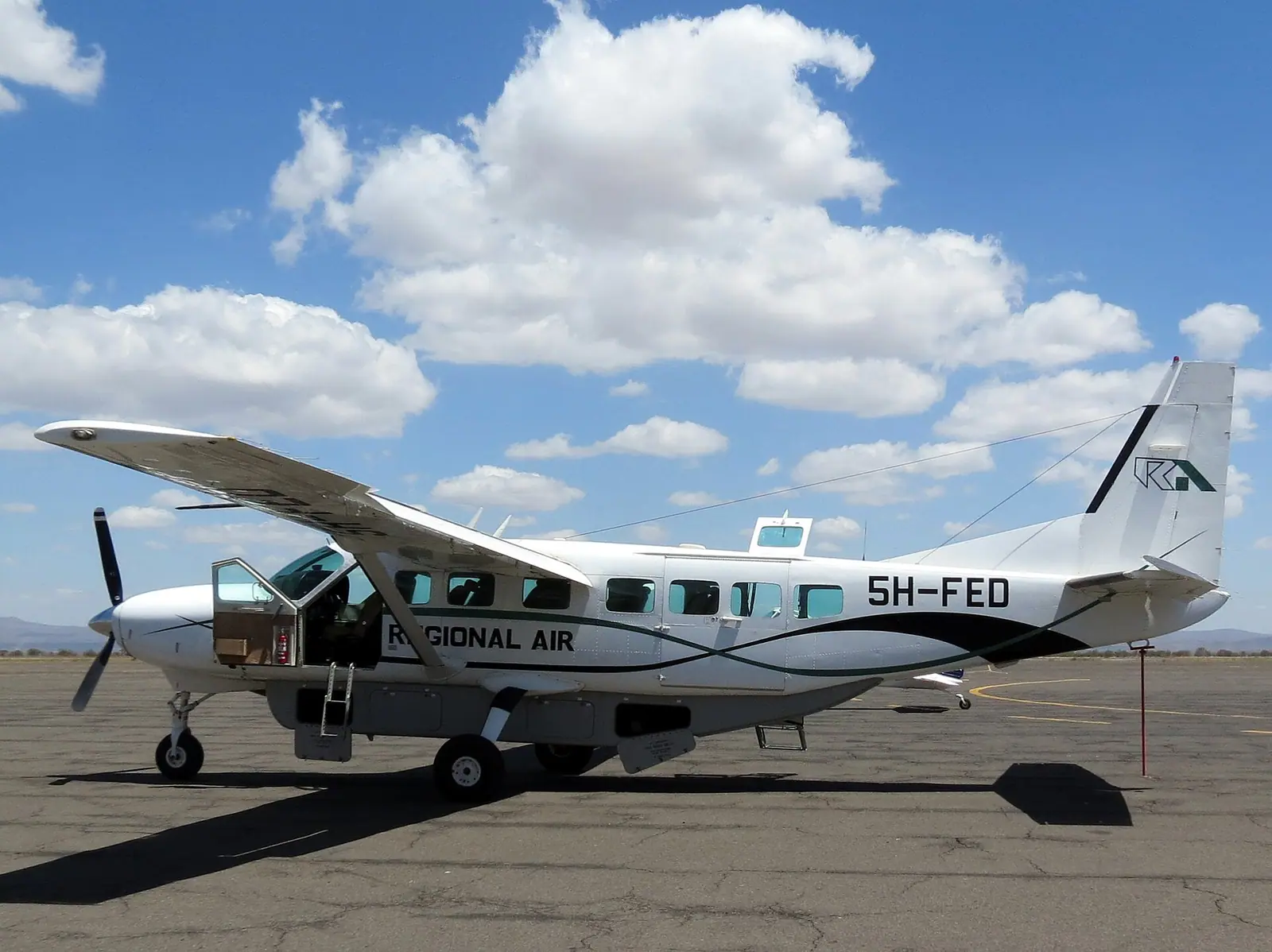
By road, the drive from Arusha to the centre of the Serengeti takes seven to eight hours, past Lake Manyara and over the Ngorongoro highlands, so most safaris visit Tarangire or Ngorongoro on the way. Small planes fly from Arusha to several airstrips in the park in about an hour, which saves a day of driving.
Plan at least three nights in the Serengeti, ideally four: two in Seronera and the rest wherever the herds are at the time of your visit.
Where to stay
Lodges, permanent tented camps and seasonal mobile camps are spread across the park. Mobile camps move during the year to stay close to the migration. We choose the area first, according to the season, and then a camp or lodge that suits your budget.
The Serengeti became a national park in 1951. In 1959 the German zoologist Bernhard Grzimek and his son Michael published the book and film Serengeti Shall Not Die, which made the migration known around the world and helped shape the park’s borders. Conservation work continues today, from anti-poaching patrols to the protection of the remaining black rhinos.
The Serengeti National Park is in Tanzania. North of the border it continues as Kenya’s Maasai Mara National Reserve, and the herds of the migration move freely between the two.
When can I see the river crossings?
Mara River crossings usually happen between July and October in the northern Serengeti. Grumeti River crossings in the Western Corridor are usually in June and early July. No one can promise a crossing on a particular day, but a few days in the right area give you a good chance.
Can I see the Big Five in the Serengeti?
Lions, leopards, elephants and buffaloes are seen often. Rhinos are rare in the Serengeti; for a better chance, combine it with the Ngorongoro Crater.
How much does a Serengeti safari cost?
It depends on the season, the number of days and the lodges. Park fees in the Serengeti are among the highest in Tanzania. See our guide to safari costs or ask us for a quote.
Is it safe?
Yes. You stay in your vehicle with your guide during game drives and only get out at marked picnic sites and viewpoints. Camps and lodges are staffed day and night.
Plan your visit to the Serengeti
Tell us when you would like to travel and what you would like to see, and we will send you an itinerary and a price.


 4 days