

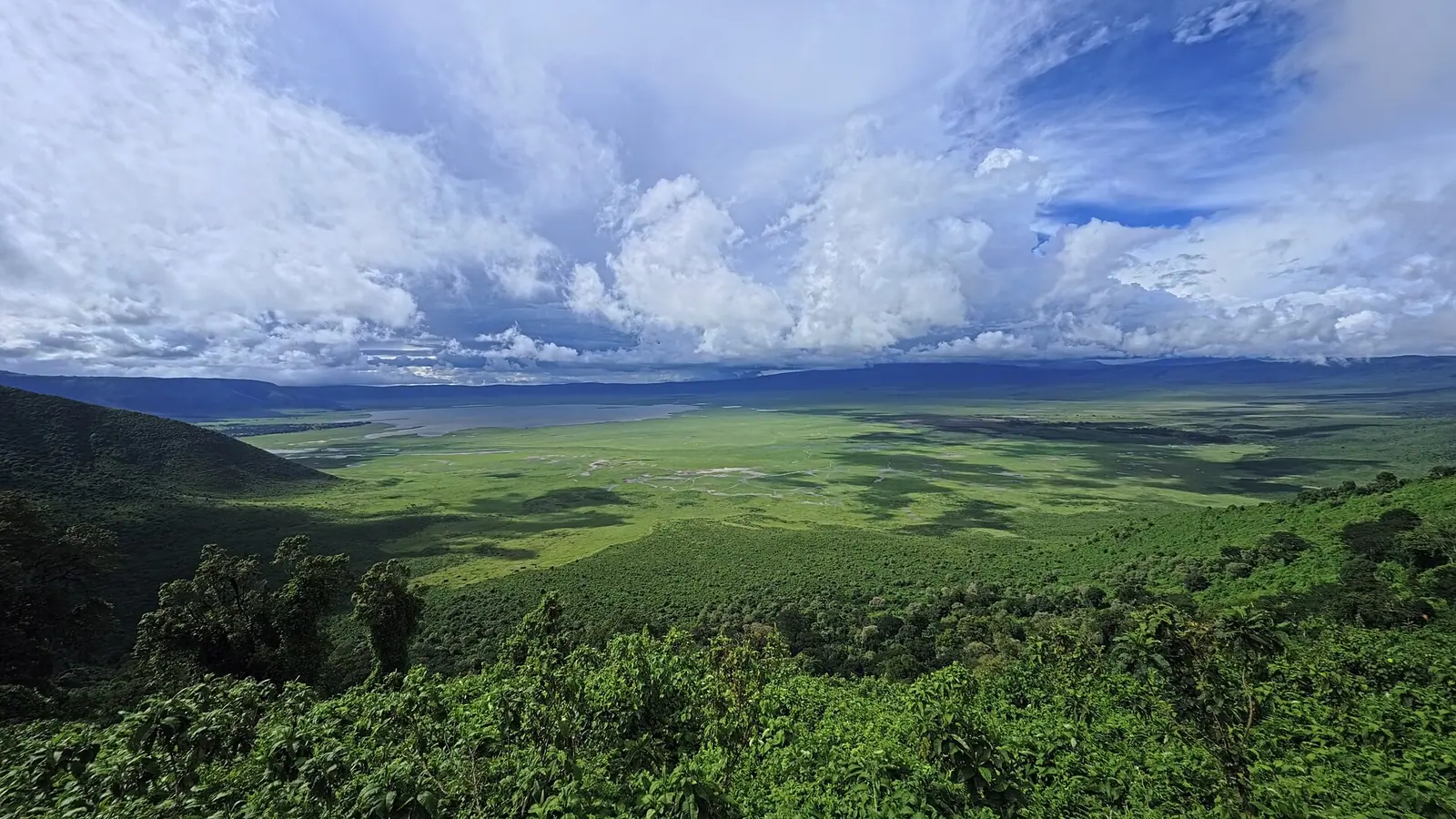
 Conservation area
Ngorongoro Conservation Area
Northern Tanzania
Africa’s greatest concentration of wildlife inside a vast volcanic crater, including rare black rhinos.
Explore the park
Some of Africa’s best-known national parks lie in Tanzania, which makes it a wonderful choice for travelers of every age. Kids are spellbound by animals they’ve only seen in books, while grown-ups appreciate the comfort, the safety and the attentive service. Our safari tours welcome all ages, and you don’t need any special preparation to join one.
Try changing your budget, trip length or safari style to see more options.
Clear all filtersPhotos from Wikimedia Commons, used under the licences named.
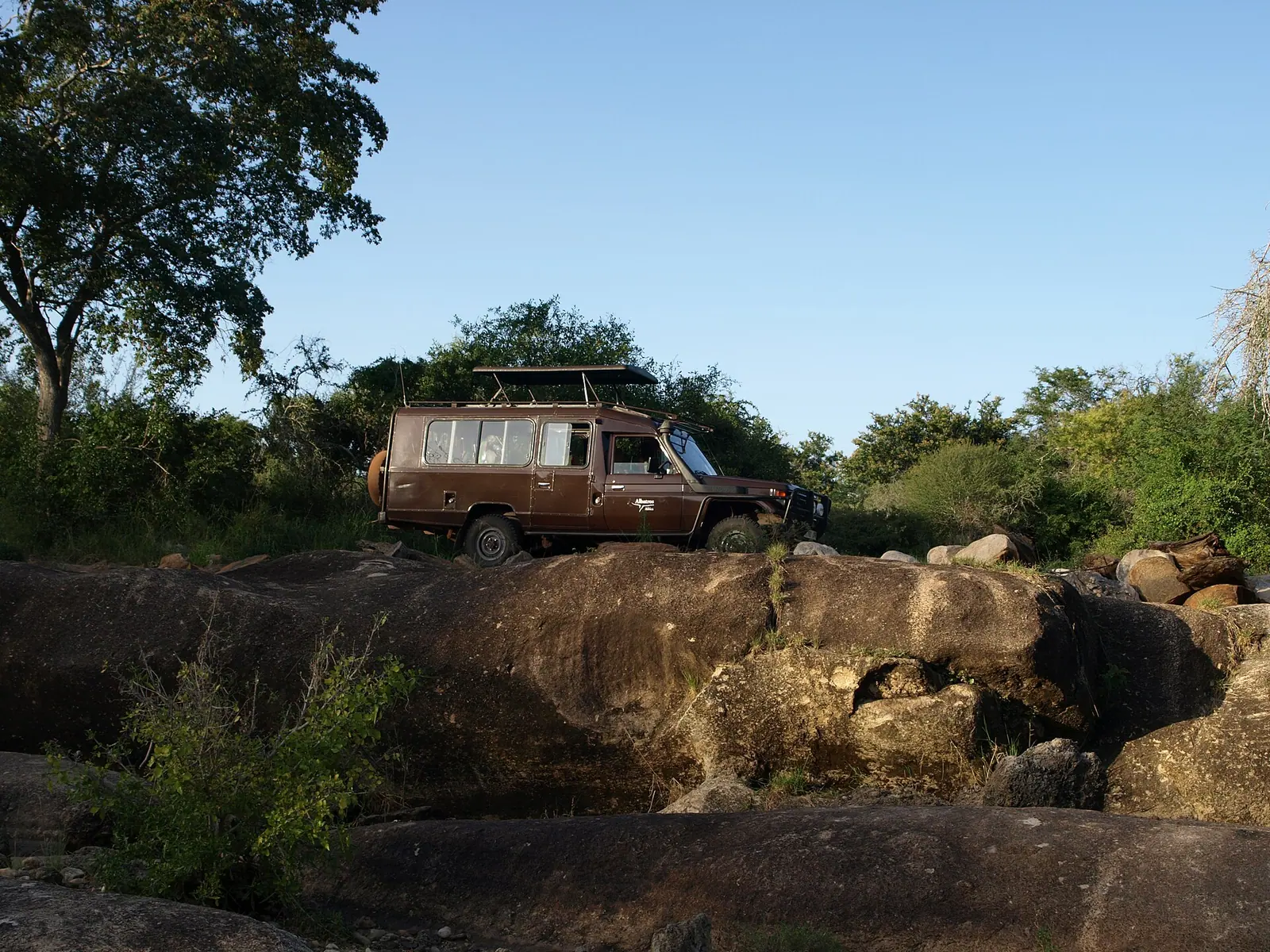
A safari is a journey through Tanzania’s national parks in a 4x4 vehicle with a pop-up roof, guided by someone who knows the animals and the land. You set off early, when the wildlife is most active, stop for as long as you like at each sighting, and return to your lodge or tented camp in the evening.
All our safaris are private: only you and the people you travel with share the vehicle and the guide. You can add a hot-air balloon flight, a walk with a ranger or a visit to a Maasai village, and we choose lodges and camps that suit your budget.
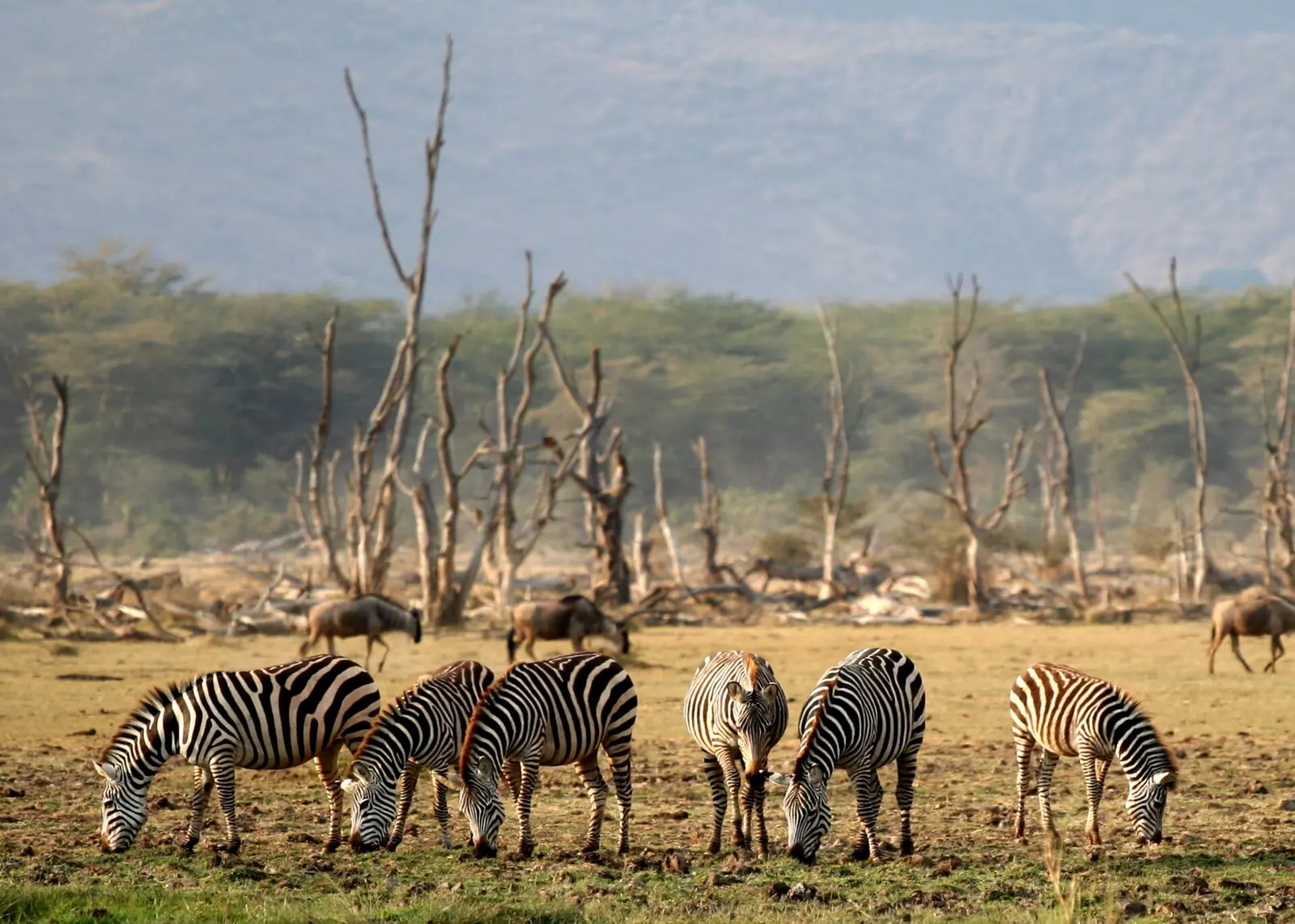
Thousands of wild animals, living freely in their natural home
Conservation areaNorthern Tanzania
Africa’s greatest concentration of wildlife inside a vast volcanic crater, including rare black rhinos.
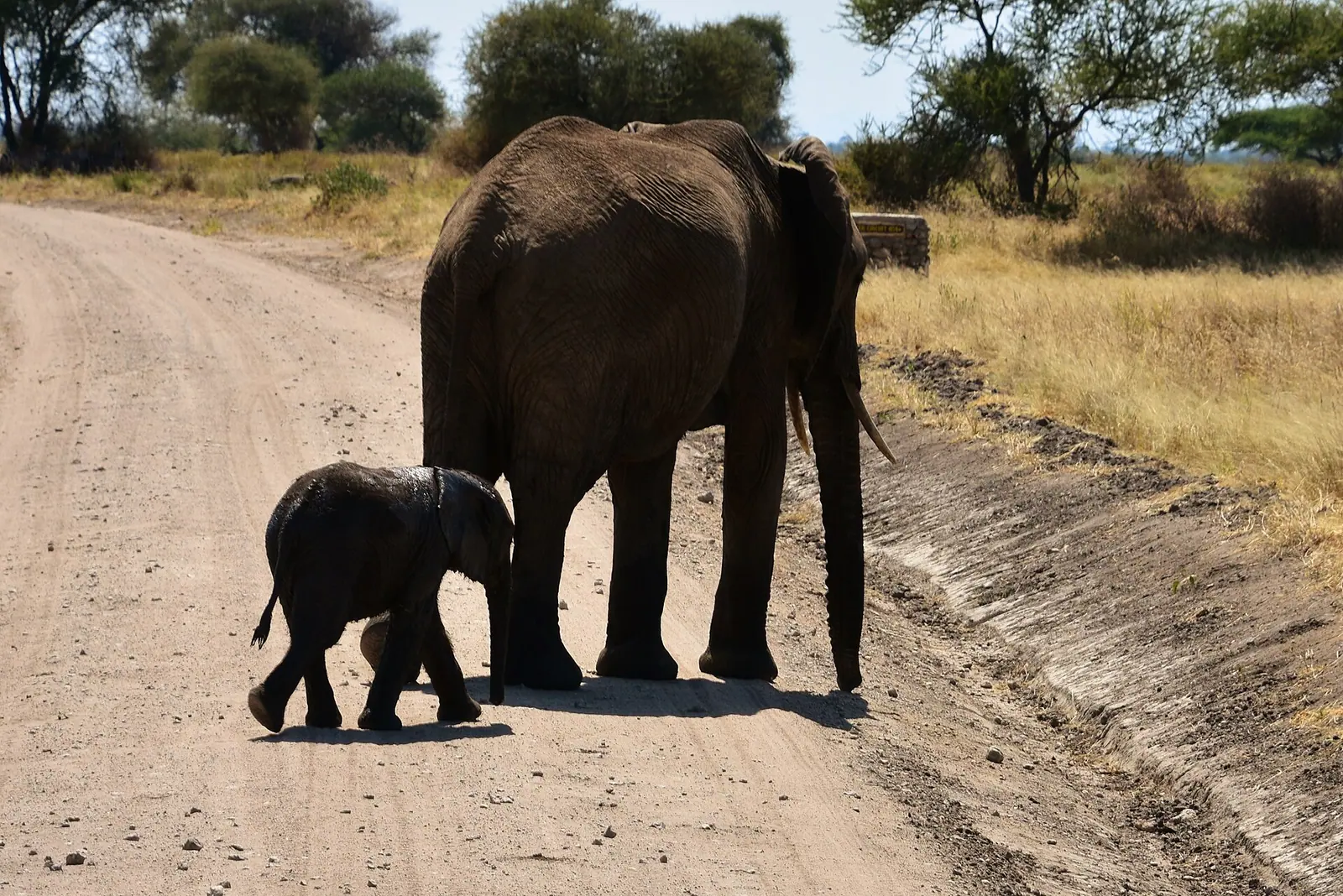 National park
Northern Tanzania
Lions, elephants, majestic baobabs and acacia woodland: the kingdom of the elephants.
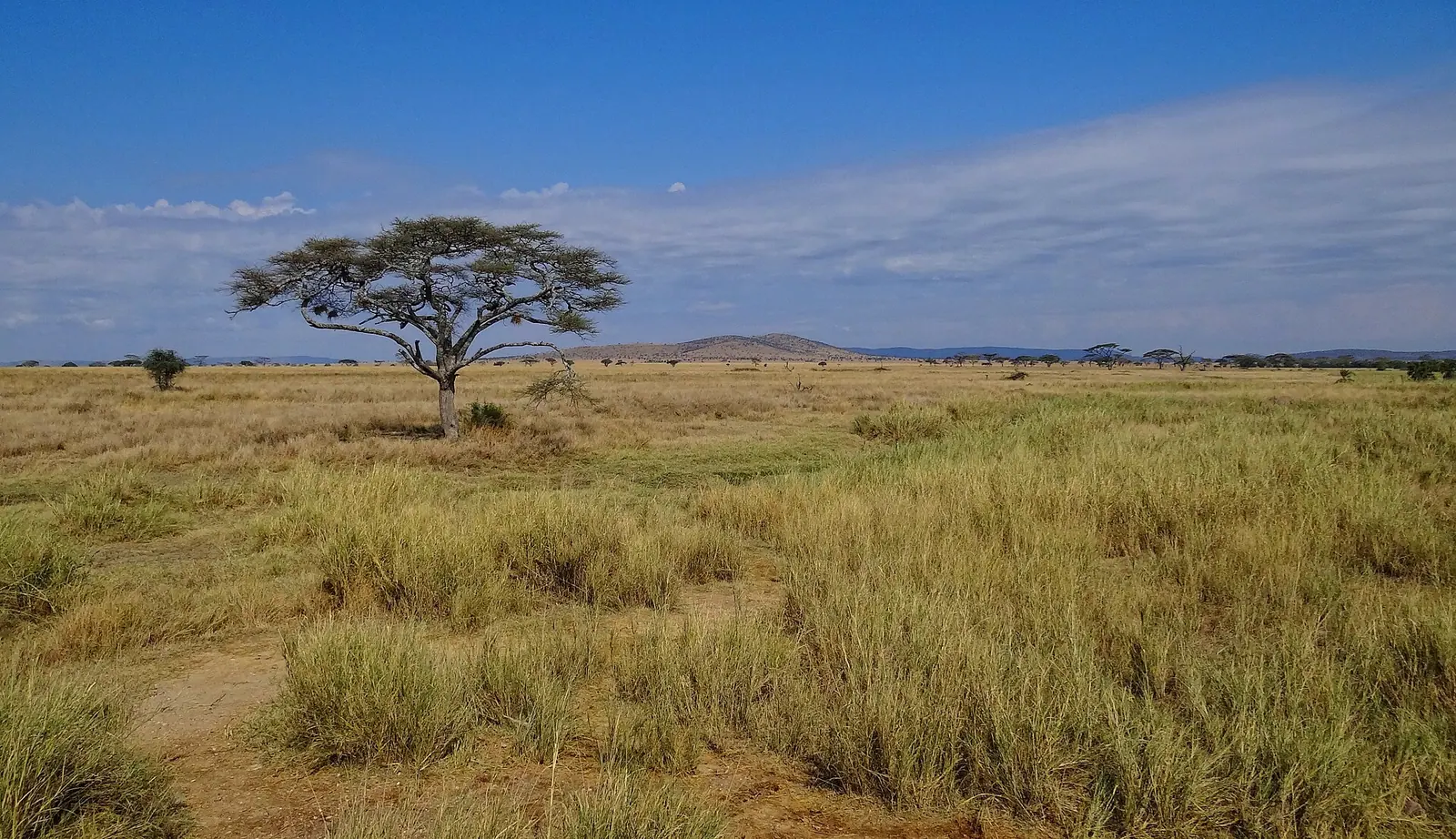 National park
Northern Tanzania
Endless plains, the Big Five and the Great Migration of wildebeest and zebras. A UNESCO World Heritage Site.
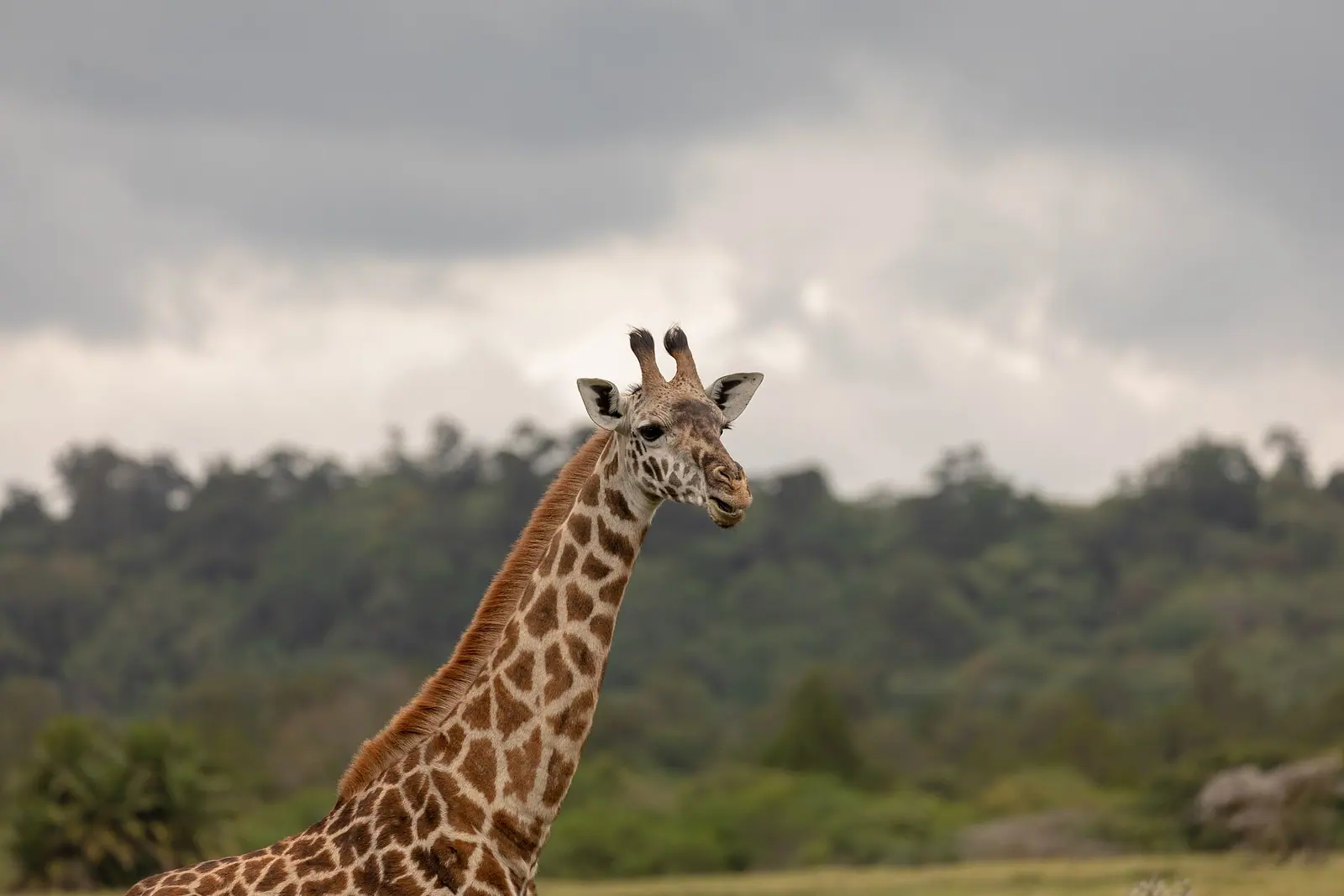 National park
Northern Tanzania
Easy to reach from Arusha town, with guided walks through the montane forest alongside an armed ranger.
 National park
Northern Tanzania
Rainforest at the foot of the Great Rift Valley, with pink flamingos and more than 400 bird species.
 National park
Northern Tanzania
A quiet park on the Kenyan border, with a protected rhino sanctuary and a programme for African wild dogs.
 Soda lake
Northern Tanzania
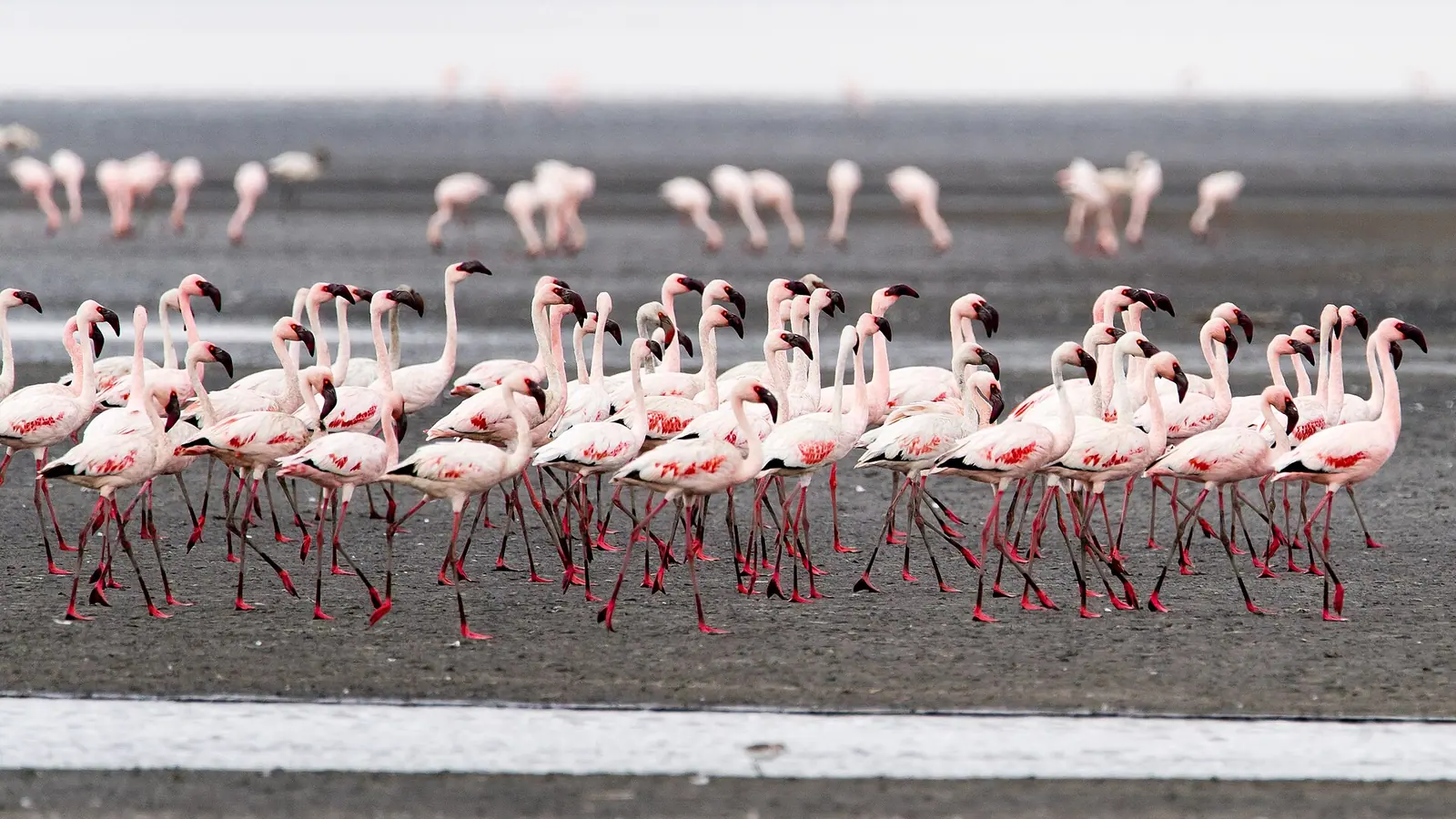
Otherworldly landscapes shaped by an active volcano, and huge flocks of pink flamingos on the soda lake.
 Rift Valley lake
Northern Tanzania
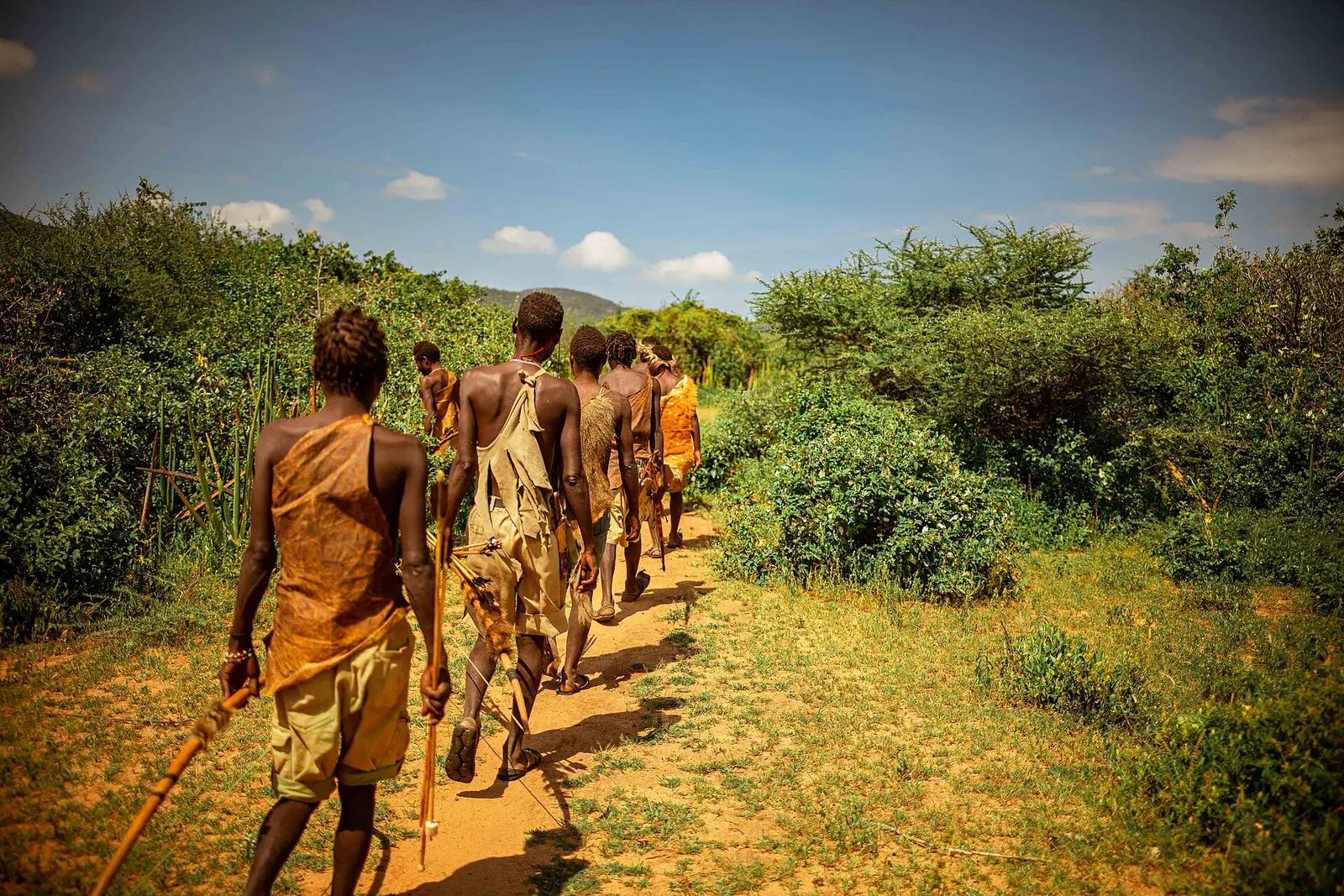
A Rift Valley lake whose shores are home to the Hadza hunter-gatherers and the Datooga herders.
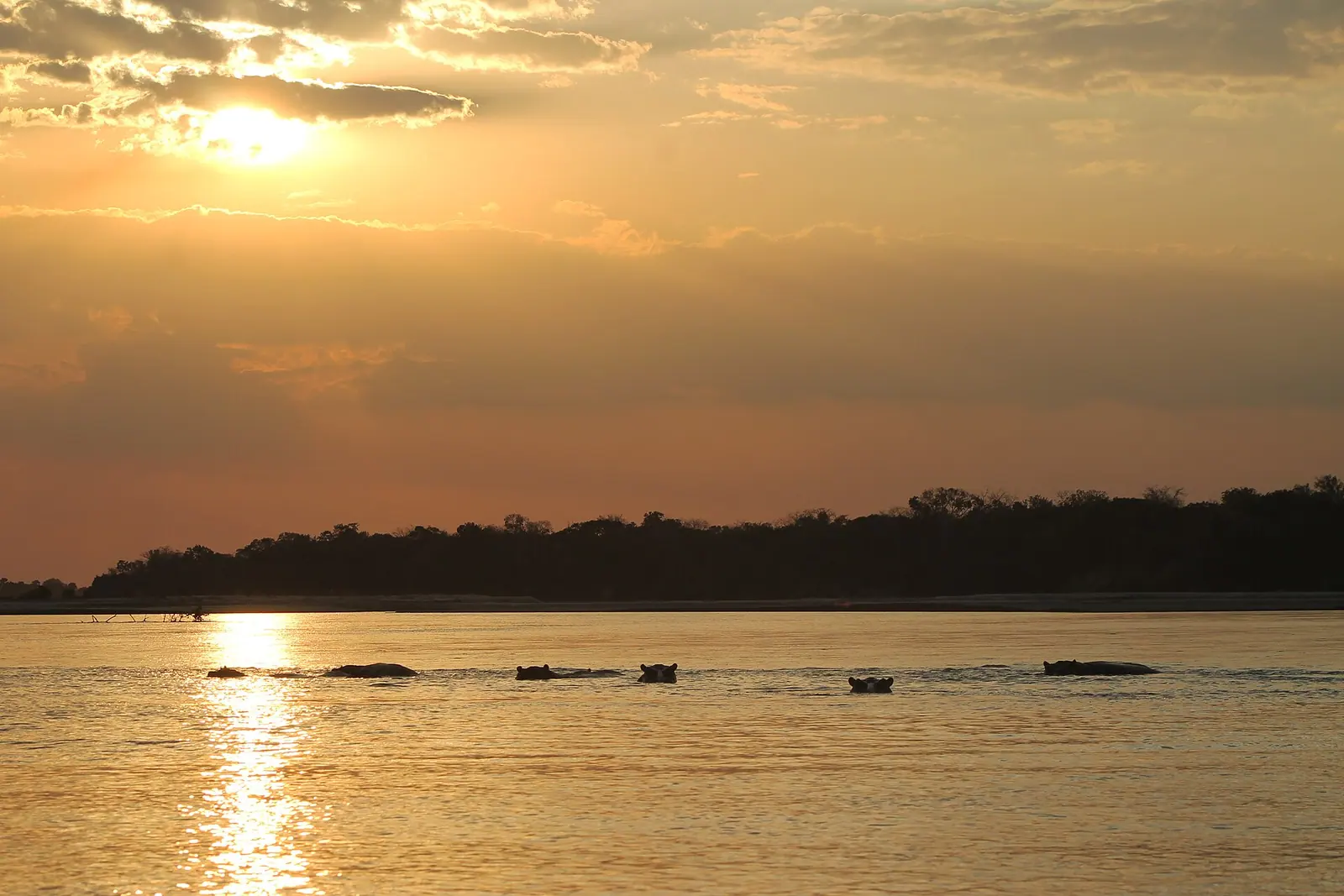 National park
Southern Tanzania
Tanzania’s largest national park, created from the Selous Game Reserve: lions, elephants, leopards and more.
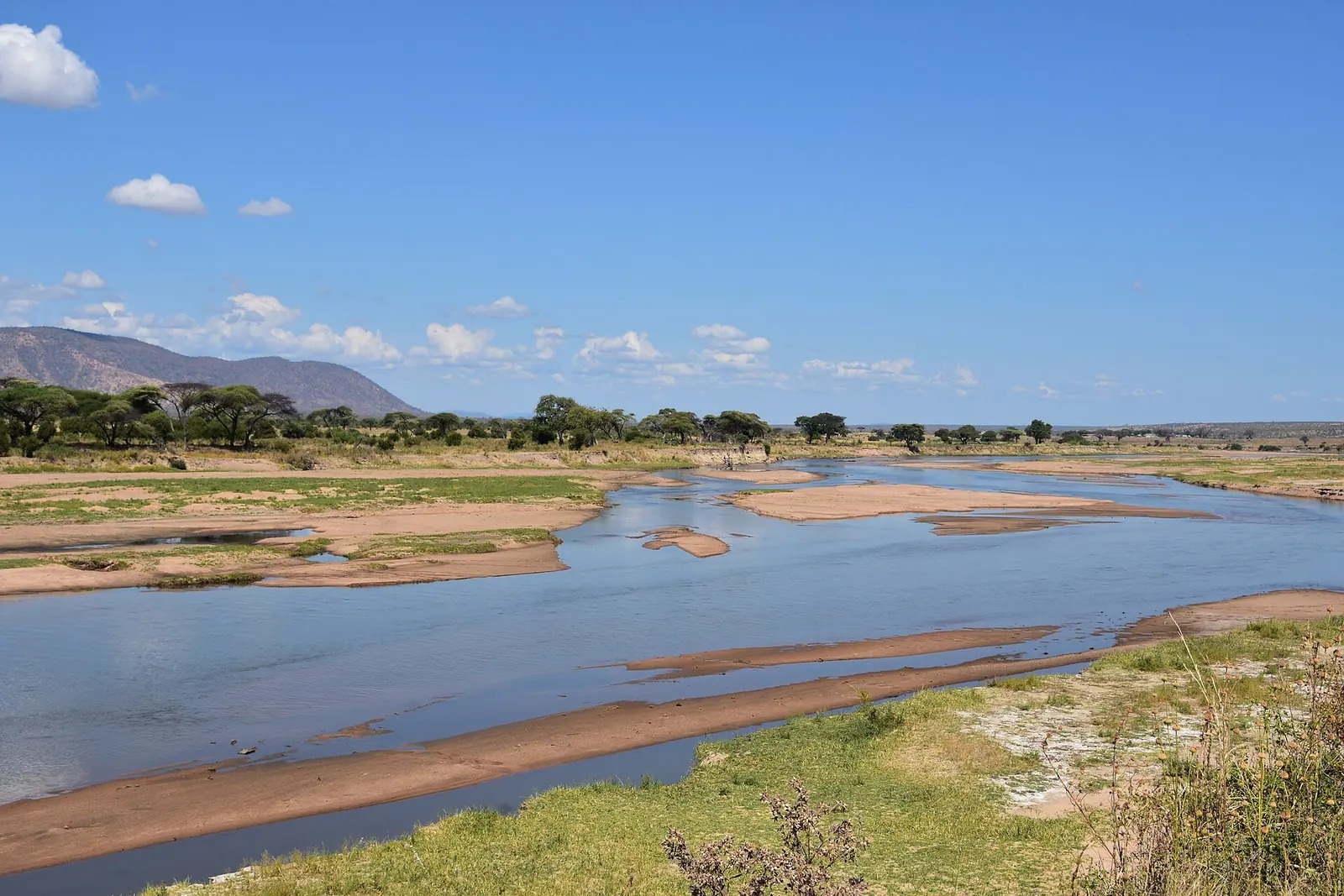 National park
Southern Tanzania
Untouched wilderness where thousands of elephants roam, and hippos and crocodiles fill the Great Ruaha River.
Five to seven days let you see the main parks of the north, the Serengeti, the Ngorongoro Crater and Tarangire, without rushing. With only two or three days, Tarangire, Lake Manyara and Ngorongoro are close to Arusha. To include the Serengeti, plan at least four days, or fly in.
Wildlife viewing is good all year. June to October is the dry season, when animals gather near water. From December to March, the herds of the migration calve in the southern Serengeti. April and May are the long rains: green, quiet and cheaper. See our guide to the best time for a safari.
From December to March the herds are on the southern Serengeti plains, from April to June they move through the centre and west, and from July to October they are in the north and in Kenya’s Maasai Mara, crossing the Mara River. Read more about the Great Migration.
For the northern parks, fly to Kilimanjaro International Airport (JRO), about an hour from Arusha. For the southern parks and Zanzibar, Dar es Salaam and Zanzibar have international airports too.
Light, neutral-coloured clothes, a warm layer for cool mornings, a hat and sunglasses. Avoid camouflage, which civilians may not wear in Tanzania. See our safari packing list and what to take on safari.
Only at marked picnic sites, viewpoints and lodges. In the parks, you stay in the vehicle for your safety.
Not without a special permit. Drones are not allowed in the national parks without permission from the authorities, and they may be held at customs if you bring one without the right papers.
Most lodges and camps have Wi-Fi, but it can be slow, and phone signal is patchy in remote parts of the parks. Many travelers enjoy the chance to switch off.